
Buying Property in Senegal: A Practical Guide
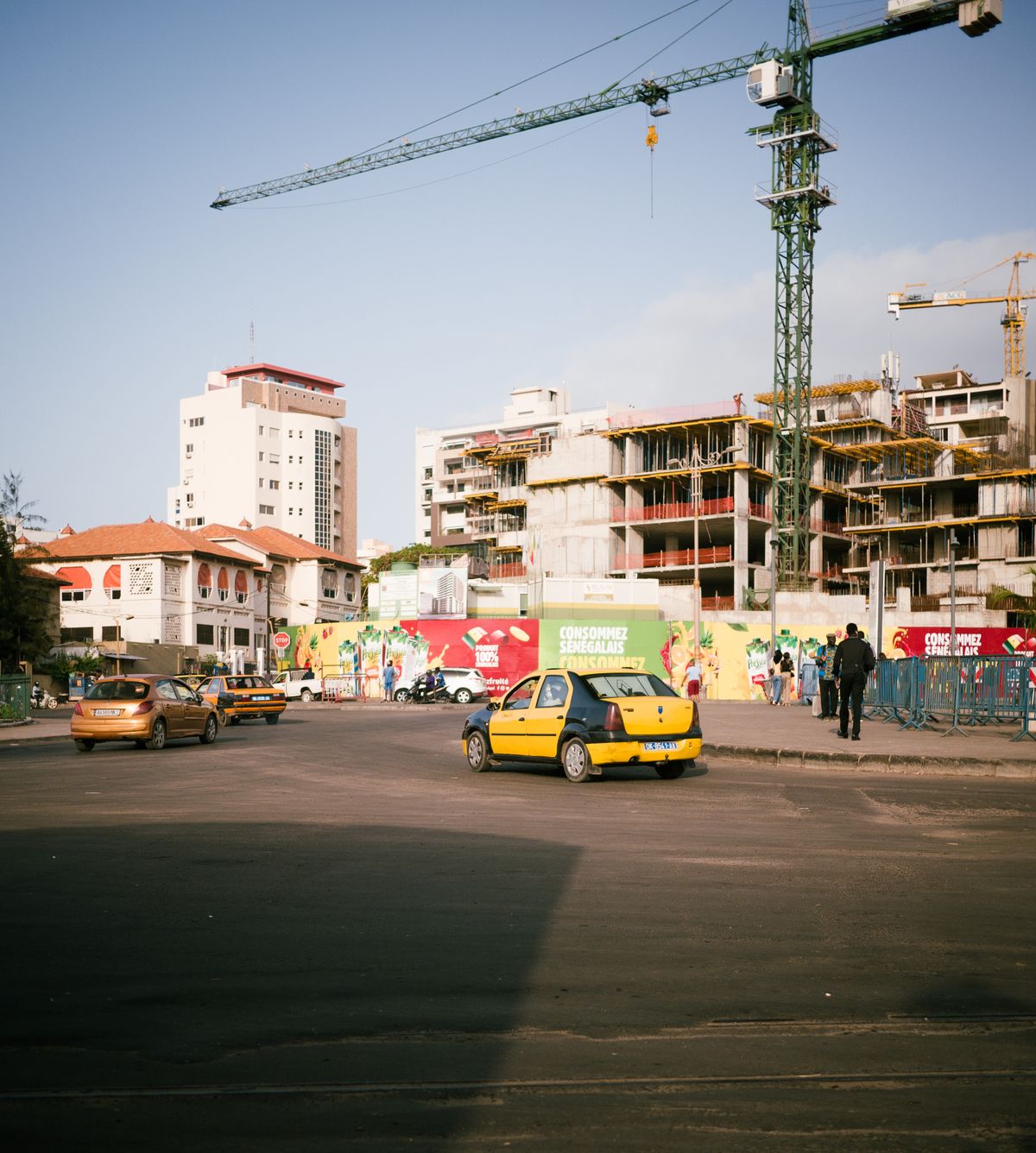
Neighborhood price ranges in Dakar, legal steps, land titles versus leases, and diaspora-specific traps: what you actually need to know before buying property in Senegal.
Buying Property in Senegal: What You Need to Know
Buying property in Senegal is one of the most common goals for residents and diaspora members alike. The market is active, but it is also loosely standardized: two neighboring apartments can sit on completely different legal footings, and that is where most bad surprises come from. Here are the essentials.
Start with the land title, not the price
Before discussing money, ask one question: what legal title covers this property? Several regimes coexist in Senegal.
- Titre foncier (land title) — full, definitive ownership once registered. This is the only genuinely comfortable status for a buyer.
- Bail emphytéotique (long-term lease) — a long-duration use right granted by the State, often convertible into a full land title. Common in Dakar and perfectly workable, but conversion takes time.
- Délibération / permis d'occuper — an administrative right issued by a municipality, frequent in outlying and newly subdivided areas. It is not ownership until it is regularized.
One habit prevents most disputes: always request a recent état des droits réels (statement of registered rights) from the land registry. Never rely on a photocopy handed to you by the seller.
Realistic price ranges
Prices swing widely by neighborhood, view, and condition. As rough guidance for residential property in Dakar:
- Almadies, Ngor, Virage — upmarket coastal districts. Expect roughly 700,000 to 1,500,000 FCFA per m² for new builds, more for ocean views.
- Plateau — the administrative and business center, with limited older stock. Around 600,000 to 1,200,000 FCFA per m².
- Point E, Fann, Mermoz — established residential areas popular with families and expatriates, 500,000 to 900,000 FCFA per m².
- Ouakam, Yoff — rapidly changing, more affordable, but very street-by-street: 350,000 to 700,000 FCFA per m².
- Outskirts (Diamniadio, Lac Rose, Keur Massar, the extended VDN corridor) — bare land from 15,000 to 60,000 FCFA per m² depending on utilities and highway access.
A well-kept 100 m² family apartment realistically lands between 45 and 120 million FCFA depending on the district. Off-plan purchases (VEFA) often run 10–20% cheaper but carry real delivery-delay risk.
The transaction, step by step
- Due diligence — seller identity, title, absence of mortgage, building compliance, standing with the municipality.
- Preliminary sale agreement with a deposit (commonly 10%) held in escrow by the notary — never handed over in person.
- Notarial deed, which is mandatory to transfer ownership.
- Registration and transfer with the tax authority and the land registry.
Budget roughly 7–12% of the purchase price for closing costs: registration duties, notary fees, and transfer charges. Many first-time buyers forget this line entirely.
Advice specific to the diaspora
The classic arrangement — wiring money to a relative who will "keep an eye on the build" — is behind a large share of family conflicts. A few safeguards:
- Grant a narrow, notarized power of attorney rather than a vague verbal mandate.
- Pay by traceable bank transfer, never cash against a handwritten receipt.
- Require dated photos and a short site report before each release of funds.
- Watch for double sales — the same plot sold to several buyers remains the most common fraud on the outskirts.
Local timing and seasonal context
The market heats up in July–August and December, when the diaspora returns: asking prices rise and sellers negotiate less. Visiting in May–June or October usually gives you more room to bargain.
Also think about the rainy season, roughly July to October. It is the single best time to spot drainage problems, flooded streets, and water infiltration. A neighborhood that looks flawless in February can be impassable in August — check this before signing, especially in low-lying suburban zones.
Verify practical connections too: water and electricity meters registered to the property, water pressure on upper floors, and paved road access all the way to the plot. In fast-growing areas, ask whether the street is included in a municipal upgrade plan or not.
Finding professionals
To compare agencies, notaries, surveyors, and construction firms, browse the real estate category on the SeneFinder directory or look through providers based in Dakar. Speak to several before committing, and have every document reviewed by a notary of your own choosing — not only by the seller's.