
Best Event Planners in Dakar: A Practical Guide
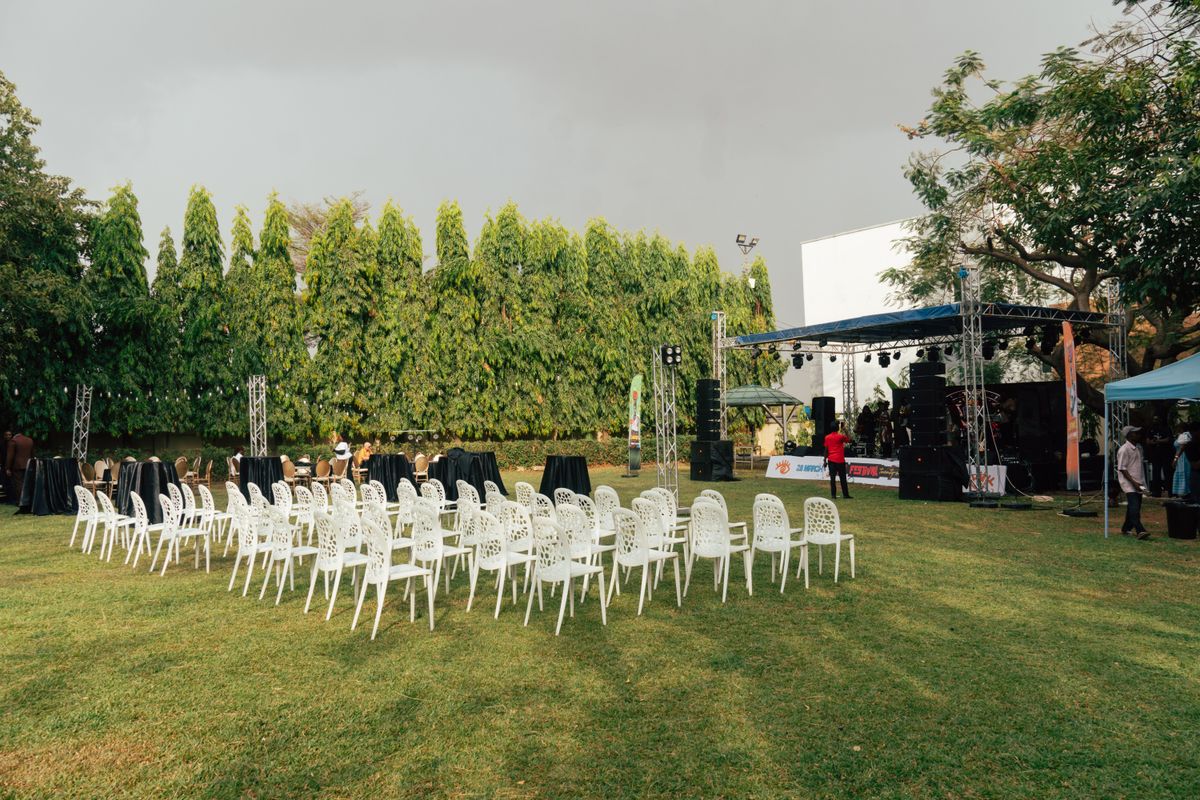
How to choose among the best event planners in Dakar: which neighborhoods to look in, realistic FCFA price ranges, local seasonality, and the questions to ask before you sign.
Best Event Planners in Dakar: A Practical Guide
Weddings, birthdays, corporate seminars, product launches, naming ceremonies, gala dinners — Dakar has a deep pool of event talent, but the quality gap between providers is wide. You will find fully structured agencies with a registered business number, permanent staff and their own equipment inventory, alongside gifted freelancers who work with a contact list and a phone. Both can deliver excellent results, as long as you know exactly what you are buying and what it should cost.
What an agency actually handles
A full-service booking usually covers:
- Design: theme, staging, floor plan, backwards-planned timeline
- Vendor sourcing: catering, sound, DJ or live band, floral décor, photo and video, hostesses, security
- Logistics: marquee, chairs, tableware, generator, mobile air conditioning, transport
- Day-of coordination: the most underestimated line item, and the one that best justifies the fee
- Admin: municipal or police authorization for public events, music licensing declaration, liability insurance
Some "agencies" are essentially equipment rental companies that add coordination on top; others are true consultancies that subcontract everything. Ask directly which one you are dealing with — the answer changes the price structure completely.
Where to look, neighborhood by neighborhood
- Almadies and Ngor: the premium end. Agencies used to diaspora weddings, private beach setups and seafront hotels. Higher budgets, polished presentation, English frequently spoken.
- Plateau: corporate events. Seminars, press conferences, institutional cocktails, close to ministries, banks and business hotels.
- Point E, Mermoz, Sacré-Cœur: mid-sized outfits, often the best value for a 150–400 guest wedding or birthday.
- Ouakam and Yoff: the upstream craftspeople — tailors for linens and chair covers, carpenters for set pieces, floral workshops, printers. Useful if you want custom work without an agency markup.
- Diamniadio: the place for 500-plus formats, with a large conference centre, an arena and an expo park. Factor in travel: toll motorway or the regional train from Dakar.
- Saly and the Petite Côte: roughly 80 km out, the destination-wedding option with guest accommodation on site.
To compare several providers at once, browse the Events & Entertainment category or every professional listed in Dakar.
Realistic price ranges (FCFA)
Figures swing enormously with standing, but these brackets will frame a first conversation:
- Agency fee: 10–15% of total budget, or a flat 500,000–2,500,000 FCFA
- Turnkey wedding: 3,000,000–15,000,000 FCFA for 200–400 guests; above 25,000,000 at the luxury end
- Catering: 7,000–15,000 FCFA per head for a standard menu, 20,000–40,000 for premium or international buffets
- Décor only: 500,000–2,500,000 FCFA depending on floor area and flowers
- Sound, lighting and DJ: 250,000–1,000,000 FCFA
- Photo and video: 300,000–1,500,000 FCFA, drone extra
- Marquee or tent: 300,000–1,500,000 FCFA
- Generator: 100,000–300,000 FCFA per day — never cut this line
- Corporate seminar: 15,000–45,000 FCFA per person per day, room and coffee breaks included
Insist on an itemized quote, never a single lump sum. It is the only way to compare two offers and to spot what is missing: transport, teardown, staff meals, VAT.
Seasonality is the most underestimated factor
- December to February: peak season. The diaspora is home, the weather is ideal, end-of-year celebrations stack up. Book 6–9 months ahead and expect higher rates.
- July to October: the rainy season. Heavy downpours, humidity, localized flooding in some areas. Any outdoor event needs a written covered fallback in the contract.
- March to June: rising heat, but good availability and real room to negotiate.
- Religious holidays: around Korité, Tabaski, the Magal and Gamou pilgrimages, vendors, labour and transport all become scarce. Check the calendar before locking a date.
Seven questions to ask before signing
- Are you formally registered, and can you issue an invoice?
- Is the equipment yours or rented in?
- Who will physically be on site on the day, and how many people?
- What happens if it rains or the power cuts out?
- Are you running another event the same weekend?
- What is the payment schedule, and what does the deposit cover?
- Can I visit an event while you are setting it up?
Planning from abroad
The classic diaspora scenario. Three rules make it work: hold a weekly video call with the timeline shared on screen; appoint one family representative on the ground with clear decision-making authority, otherwise every small choice drags for days; and pay by traceable transfer or named mobile money account, never cash without a receipt. A 40–50% deposit is standard, with the balance due on delivery or just before the event.
One last thing: always keep 10–15% budget headroom. In Dakar, the guest count almost always grows between the invitation and the day itself.