
Where to Learn Wolof in Dakar
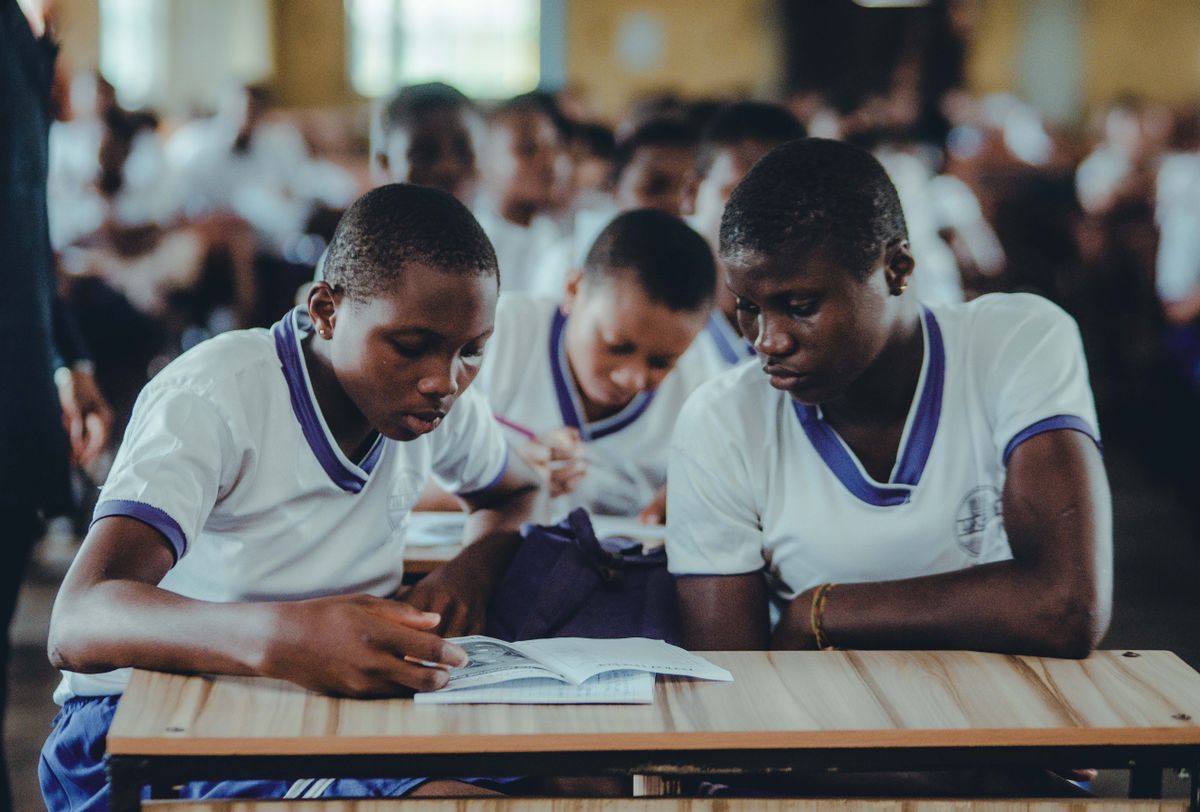
A guide to learning Wolof in Dakar: language centers, private tutors, immersion, apps, price ranges in FCFA and basic phrases to start using today.
Where to Learn Wolof in Dakar
Speaking Wolof changes everything in Dakar. Even a few phrases transform your interactions: prices drop at the market, taxi drivers smile, neighbors adopt you. French opens official doors, but Wolof opens hearts. Here is where and how to learn it.
Language centers
Dakar has several centers and institutes specializing in teaching local languages to foreigners and the diaspora. They offer structured courses, from beginner to conversational, with trained teachers and learning materials. It is the most complete option to progress quickly and well, with real level tracking.
These centers are often in Plateau, Fann, Mermoz or Les Almadies, neighborhoods popular with expats. To find schools and training centers, browse the education and training category, then filter by the city of Dakar.
Private tutoring
For flexible learning, nothing beats a private tutor. Many students and teachers give lessons at home or online, at times that fit your schedule. The advantage: a personalized pace, concrete topics (market, work, family) and a genuine human connection that speeds up learning.
Word of mouth works very well to find a good tutor; ask around, in your building or at your workplace.
Immersion, the best school
No course replaces daily practice. Repeat every word you learn to the shopkeeper, the driver, the fruit seller. Senegalese people love it when a foreigner tries Wolof and will correct you kindly. Watch videos, listen to local radio, jot down the expressions you hear in the street.
Ideally combine a structured setting (center or tutor) with constant immersion: that is the winning formula.
Apps and free resources
Several apps and online channels offer Wolof basics for free. They are perfect for reviewing vocabulary in traffic jams, but not enough on their own: Wolof is learned mainly by ear and by use.
Indicative price ranges
Rates vary by format and teacher. As a rough guide:
- Private lessons: around 5,000 to 15,000 FCFA per hour depending on experience.
- Language-center package: often 50,000 to 200,000 FCFA for a multi-week module.
- Apps and online videos: free or a small subscription.
Negotiate long-term packages and always ask for a first trial session.
A few phrases to get started
- Salamaalekum: hello (reply: Maalekum salaam).
- Na nga def?: how are you? (reply: Maa ngi fi rekk, I'm fine).
- Jërëjëf: thank you.
- Ñaata la?: how much is it?
- Baax na: it's good, okay.
- Ba beneen yoon: until next time.
How long does it take?
With regular practice, most learners hold basic everyday conversations, greetings, shopping, taxis, within a few months. Reaching real fluency takes longer and depends above all on how much you actually use the language outside the classroom. The learners who progress fastest are not the most gifted; they are the ones who dare to speak, make mistakes and try again every single day.
Tips to progress faster
Set yourself small daily goals: one new phrase, one real conversation. Keep a little notebook of words heard in the street and review it in the evening. Ask a Senegalese friend or colleague to speak Wolof with you instead of French, even for a few minutes. And do not fear ridicule: a clumsy attempt in Wolof earns far more goodwill than perfect French. Mixing greetings and polite phrases into your daily routine builds momentum quickly.
Start today: throw a "Na nga def?" at your next conversation. After a few weeks of regular practice, you will navigate Dakar with an ease that opens many doors.