
Craft and decor shops in Dakar: a shopping guide
Senegalese craft objects for the home in Dakar: basketry, weaving, wax fabric, sculpture, spotting handmade work, bargaining and rough budgets.
Craft and decor shops in Dakar: a shopping guide
Bringing home a piece of Senegalese craftsmanship is a chance to leave with a unique souvenir rather than a mass produced item. Dakar is full of shops and workshops where you can find basketry, weaving, wax fabric or sculpture. Here is how to navigate the choices and shop well.
Basketry, weaving and wax fabric: varied skills
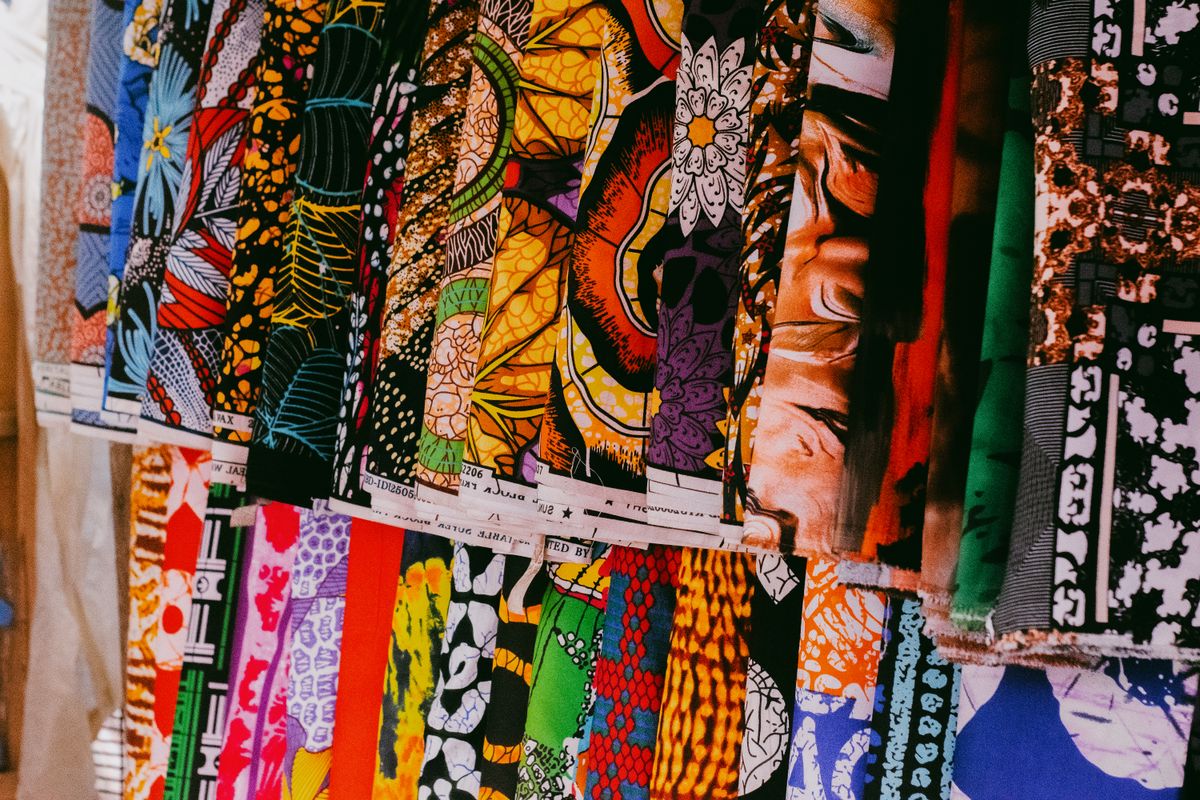
Basketry made from wicker or plant fibre produces baskets and storage objects prized for natural looking decor. Traditional weaving produces fabrics used for cushions, tablecloths or curtains, while wax fabric, the colourful printed cloth so present across West Africa, turns up in decorative accessories as much as in clothing. Each craft has its own specialised workshops, some visible directly inside the shop that sells the finished pieces.
Sculpture and collectible objects
Wood carving, sometimes featuring Senegalese or West African motifs, happily decorates a shelf or an entryway. Designer boutiques often mix several techniques within one collection, from a decorative mask to a more functional object like a tray or a mirror. Taking time to look at the finishing (stitching, joints, dyeing) helps tell a carefully made craft piece from something produced more quickly, and asking the seller about the material and the region it comes from often adds useful context to the story behind the piece.
Craft villages and designer boutiques
Dakar has a craft village where several artisans work and sell on site, which lets you see part of the making process before buying. Alongside this kind of place, more personal designer boutiques offer a sharper selection, often with a style specific to the brand. The two formats complement each other well for anyone who wants to compare before choosing, especially when shopping for several gifts at once and looking to mix different styles and techniques.
Spotting handmade work and bargaining
A handmade object usually shows small irregularities, a sign it did not come out of a production line turning out hundreds of identical copies. Bargaining is common in craft markets, less systematic in fixed price designer boutiques, so it is best to observe how the place operates before suggesting a price. Set a flexible budget depending on the object: a small basket or a piece of fabric costs noticeably less than a large sculpture or a collectible piece.
Where to look in Dakar
Craft and decor shops can be found in several neighbourhoods, notably around Mamelles and in Plateau, often reachable on foot from other shops. Compare several addresses in the Dakar shopping directory before you buy, and leave a little extra time if you plan to visit more than one shop in the same afternoon.
Recommended addresses on SeneFinder
- TISSERAND DAKAR : Mamelles
- Aesthetic Way : Dakar
- Anne Calfo : Dakar
- Keur Wax : Plateau
- Mané Artisanat Osier : Dakar
- Pagnelia : Dakar
To compare other shops, see all addresses in this category or explore the Dakar directory.
Useful tools
- FCFA currency converter for foreign visitors
- Route planner to plan a shopping route
- Recommend a place if you know a shop worth adding
- Related reading: souvenirs to bring back from Senegal and interior decor in Dakar
Frequently asked questions
How can I tell a craft object is genuinely handmade?
Small irregularities in weaving, carving or dyeing are often a sign of manual work rather than mass production. Looking closely at the finishing remains the best habit before buying.
Can prices be negotiated in these shops?
It depends on the place: bargaining is common in craft markets but less frequent in fixed price designer boutiques. It is best to observe local habits before suggesting a price.
What budget should I plan for a decor object?
The budget varies enormously by size and technique: a small wicker basket costs much less than a large sculpture. It is worth comparing several shops before setting your budget.