
African ready-to-wear boutiques in Dakar
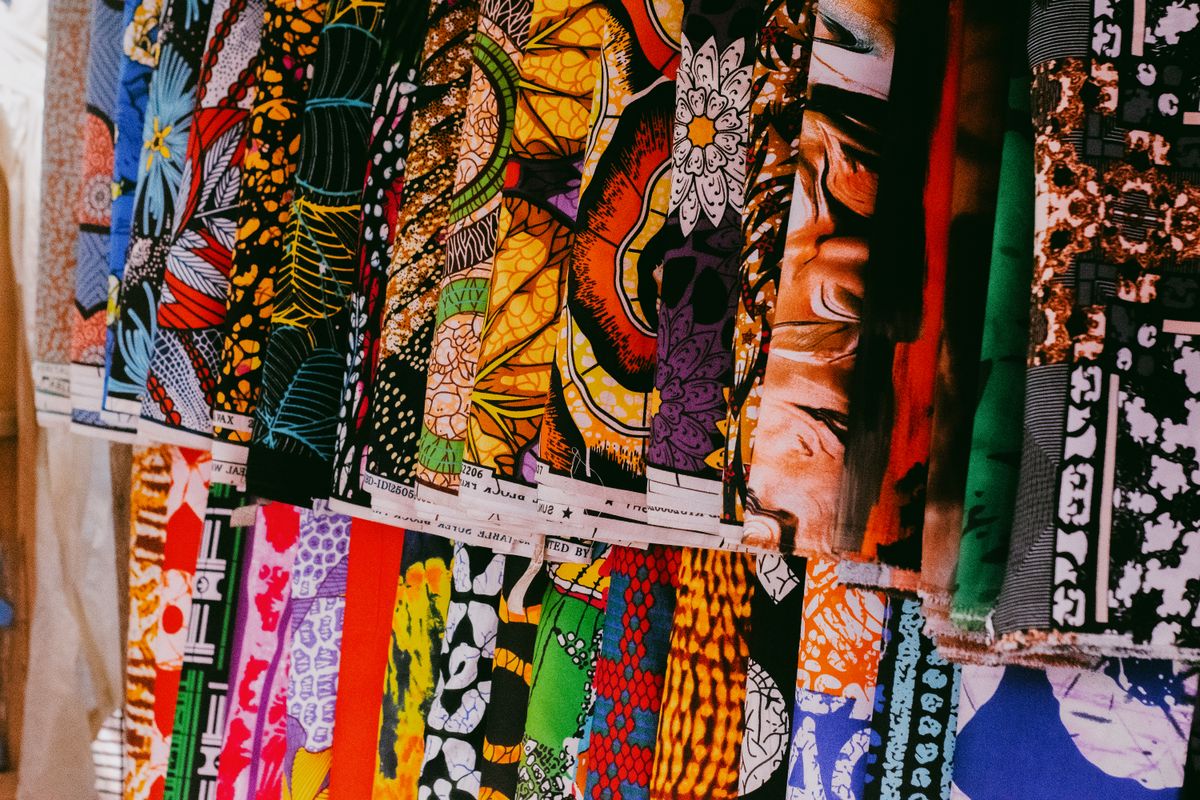
Where to find African ready-to-wear in Dakar: designers in Plateau and Almadies, wax and bazin, realistic budgets and practical tips for buying pieces that last.
African ready-to-wear boutiques in Dakar
African ready-to-wear in Dakar has moved well beyond the ceremonial boubou. Designers based in Plateau, Almadies and Point E now cut wax shirts, structured bazin jackets and dresses made to be worn to the office or on the road. This guide shows where to look depending on your neighbourhood, your budget and how much time you have.
Wax and bazin: know what you are buying
Both fabrics dominate the racks, but they behave very differently.
- Wax is a printed cotton: soft, breathable, machine washable on a cool cycle. It suits shirts, skirts and children's outfits, and good wax keeps its colour through many washes.
- Bazin is a damask cotton, dyed then beaten to get its signature sheen. It is mostly used for boubous, jackets and ceremonial outfits. Rich bazin is denser and costs more.
- Printed jerseys and blends are increasingly popular with younger Dakar labels: more comfortable in the hot season, but less formal.
One quick test in store: look at the reverse side. On good wax, the pattern is almost as sharp on the back as on the front.
Neighbourhood by neighbourhood
- Plateau is the historic commercial core. Designer boutiques sit next to mainstream clothing stores, so you can complete a whole outfit in one morning.
- Almadies and Ngor have a concept-store feel: limited runs, designers who often draw their own prints. Prices are higher, but the cuts are more considered.
- Point E, Mermoz and Sacré-Cœur are the sweet spot. Plenty of studio-boutiques sell directly and will often alter a piece on the spot.
- Sicap Liberté and Liberté 6 are family neighbourhoods, good for everyday ready-to-wear, children's clothes and maternity lines.
- Colobane, Parcelles Assainies, Pikine, Guédiawaye and Keur Massar are where second-hand clothing and cheaper fabric live. Many Dakarois buy the cloth here, then take it to a tailor.
What to budget
The figures below are general market ranges, and they shift with the season and the quality of the cloth.
- A standard wax pagne: roughly 3,000 to 8,000 FCFA for two metres, more for sought-after imported prints.
- Rich bazin: often 10,000 to 30,000 FCFA per metre depending on density and dyeing.
- A ready-made wax shirt: usually between 15,000 and 40,000 FCFA.
- A designer piece, such as a dress or a structured jacket: from around 45,000 FCFA upwards, considerably more for a limited run.
- A simple alteration at a neighbourhood tailor: a few thousand francs, agreed before you hand over the garment.
Timing matters too. In the weeks before Korité, Tabaski and the end-of-year holidays, workshops are saturated and fabric prices climb. If you want a ceremonial outfit, start shopping several weeks ahead.
Common mistakes to avoid
- Do not judge a garment by its print. Check the seams, the armhole finishing and how firmly the buttons are attached.
- Ask what it is made of. Fabric sold as cotton that feels slippery is often a synthetic blend, far less breathable from May to October.
- Expect some shrinkage on unwashed cotton.
- If you live abroad, have your measurements taken while you are in Dakar. Many designers will then work with you remotely.
- Bargaining is normal in markets, but not in designer boutiques where prices are fixed.
Recommended addresses on SeneFinder
- Boutique Rassoul Friperie : second-hand clothing shop in Colobane.
- Complexe Garmi : retail shop in Dakar.
- Gemo Dakar Chaussures Et Vêtements : clothing and footwear shop in Dakar.
- Maternita Dakar : shop in Sicap Liberté.
- Maternita Liberté 5b : shop in Dakar.
- NOVA : shop in Plateau.
More shops are listed by neighbourhood: see all addresses.
Useful tools
- Route planner to chain Plateau, Point E and Almadies without losing an hour in traffic.
- FCFA currency converter if you are comparing prices from abroad.
- Practical guide for transport, useful numbers and everyday information.
- Read next: the best fashion boutiques in Dakar and where to buy wax fabric in Dakar.
Frequently asked questions
Should I buy ready-to-wear or have something tailored?
Ready-to-wear makes sense when you are short on time or leaving soon. Tailoring is worth it for a ceremonial outfit or a body shape that is hard to fit, as long as you can attend a couple of fittings. Compare both routes with our guide to the best tailors in Dakar.
How do I care for a bazin garment?
Wash it by hand, in cold water and separately for the first few washes, since the dye can run. Iron it inside out while the fabric is still slightly damp to keep the sheen.
When is the best time to shop?
Avoid the weeks running up to Korité and Tabaski, when workshops are overloaded and fabric costs more. January, February and the end of the rainy season bring more choice and shopkeepers with more time for you.