
Cost of Living in Dakar: A Real Budget
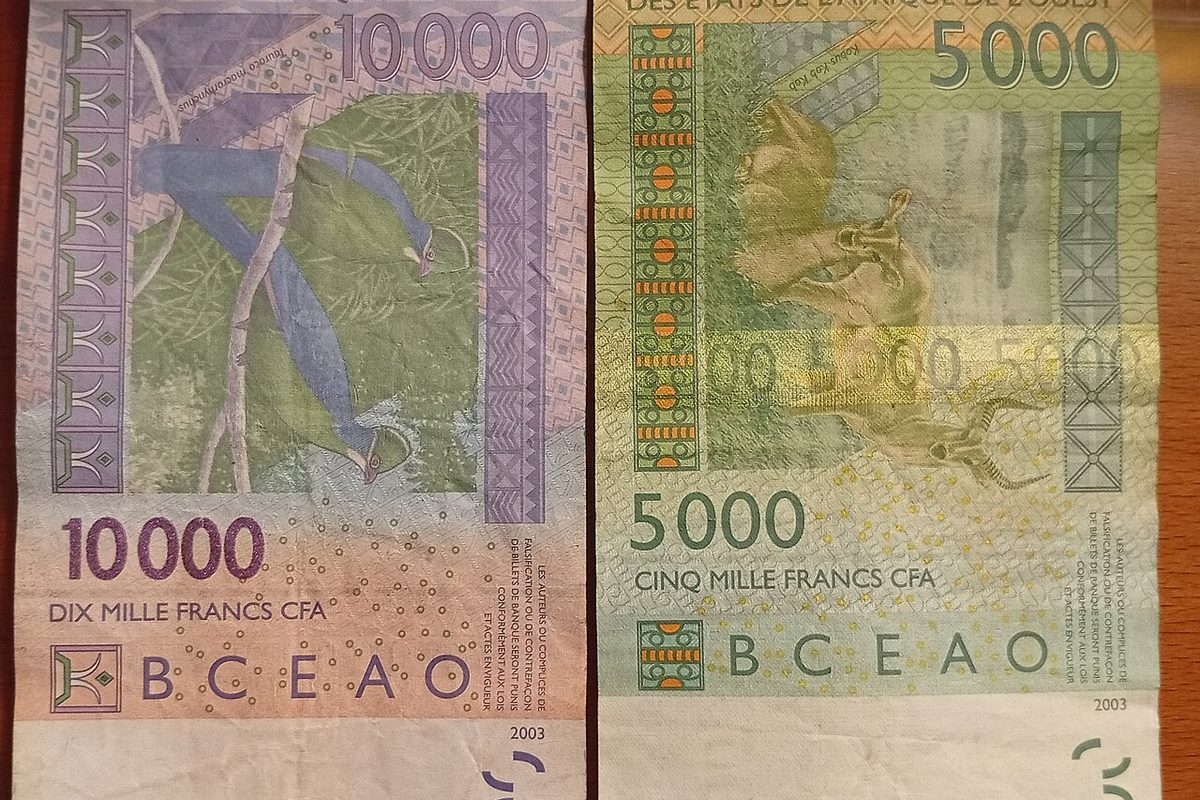
Rent by neighborhood, groceries, transport, healthcare and leisure: a practical FCFA guide to estimating your monthly budget in Dakar as a newcomer, diaspora member or long-stay visitor.
Cost of Living in Dakar: What to Actually Budget
Dakar runs at two speeds. A Senegalese household can live comfortably on 250,000–400,000 FCFA a month, while an expatriate settled in Almadies will easily pass 1,500,000 FCFA. The difference comes down to neighborhood, transport, and how much of your shopping basket is imported. Here are concrete benchmarks. (Roughly, 655 FCFA ≈ 1 EUR, since the CFA franc is pegged to the euro.)
Housing: the line item that decides everything
Rent typically eats 40–50% of a monthly budget, and the gap between neighborhoods is huge.
- Almadies / Ngor / Virage: the high end. A furnished one-bedroom runs 500,000–900,000 FCFA; a villa with a pool goes past 1,500,000 FCFA. Close to the ocean, restaurants, and the VDN highway toward AIBD airport.
- Plateau: the administrative and business core. Expect 400,000–800,000 FCFA for a decent apartment. Convenient if you work downtown, but noisy and congested.
- Point E / Fann / Mermoz: the sweet spot for many newcomers. Two- or three-room unfurnished units usually land between 250,000 and 500,000 FCFA, with shops, schools, and clinics nearby.
- Ouakam / Yoff / Sacré-Cœur: more affordable and full of life. Roughly 150,000–350,000 FCFA depending on condition and floor.
- Outer areas (Pikine, Guédiawaye, Keur Massar, Diamniadio): 60,000–150,000 FCFA, but budget one to two hours of commuting at peak times.
Two local norms to expect: a security deposit of two to three months, and an agency commission of about one month's rent. Furnished short-term rentals cost far more per month — always negotiate if you are staying beyond three months.
Utilities and connectivity
Electricity is the biggest surprise for newcomers. Without air conditioning, a family spends 20,000–45,000 FCFA a month. Run two AC units overnight from June through October and the bill climbs to 80,000–150,000 FCFA. Prepaid metering (Woyofal) makes consumption much easier to control. Water stays modest at 8,000–20,000 FCFA. Home fiber runs 20,000–40,000 FCFA depending on speed, and a normal mobile data plan costs 5,000–15,000 FCFA.
Food and groceries
Where you shop changes everything. At the markets — Castors, Tilène, Kermel, and neighborhood markets — local produce is cheap: a kilo of broken rice 500–800 FCFA, a kilo of onions 500–900 FCFA, a good-sized whole fish 2,000–5,000 FCFA, and seasonal mangoes by the crate for a few thousand francs. In supermarkets, imported goods — cheese, cereal, wine, European toiletries — often cost 1.5 to 2 times European prices.
Eating out: a street plate or neighborhood thieboudienne costs 1,000–2,500 FCFA, a brasserie lunch 5,000–10,000 FCFA, and dinner in Almadies 15,000–35,000 FCFA per person. A realistic food budget is 100,000–180,000 FCFA a month for one person who cooks, and 250,000–400,000 FCFA for a family buying imported items.
Getting around
- Yellow taxis: 1,000–3,000 FCFA per ride within the city, negotiated before you get in.
- Ride-hailing apps: usually 15–30% cheaper than a negotiated taxi, with no haggling.
- BRT and TER: the genuine change of recent years. The TER links central Dakar to Diamniadio for a few hundred up to roughly 1,500 FCFA, and the BRT runs the Guédiawaye–Petersen corridor quickly and cheaply.
- Owning a car: fuel, insurance, and maintenance add up to 150,000–300,000 FCFA a month.
Healthcare, schooling, leisure
A private clinic consultation costs 15,000–40,000 FCFA; specialists cost more. Private family health insurance often runs 300,000–700,000 FCFA a year. International and French-curriculum schools are the hidden budget-breaker for families: 1,500,000 to over 4,000,000 FCFA per child per year. A gym membership is 20,000–50,000 FCFA monthly, and full-time household help 60,000–120,000 FCFA.
Seasonal context
July through October is the rainy season — hot, humid, and wet. Electricity bills roughly double, and some streets become hard to navigate after heavy rain. December to February is dry and pleasant, but it is peak tourist season and short-term rental prices rise. Food prices also climb around Tabaski and the Magal of Touba, when demand spikes nationwide.
Three practical tips
- Use cash or mobile money. Wave and Orange Money are accepted almost everywhere and spare you card fees; card acceptance outside hotels and supermarkets is patchy.
- Visit before signing. Check water pressure, nighttime noise, and how often power cuts happen on that block.
- Always negotiate — rent, taxis, market stalls. The first price is never the final price.
To compare financial services, money transfer options, and banking providers, browse the Money category on the SeneFinder directory, and for everything anchored in the capital, explore Dakar listings.