
Schools in Diamniadio: a guide for families
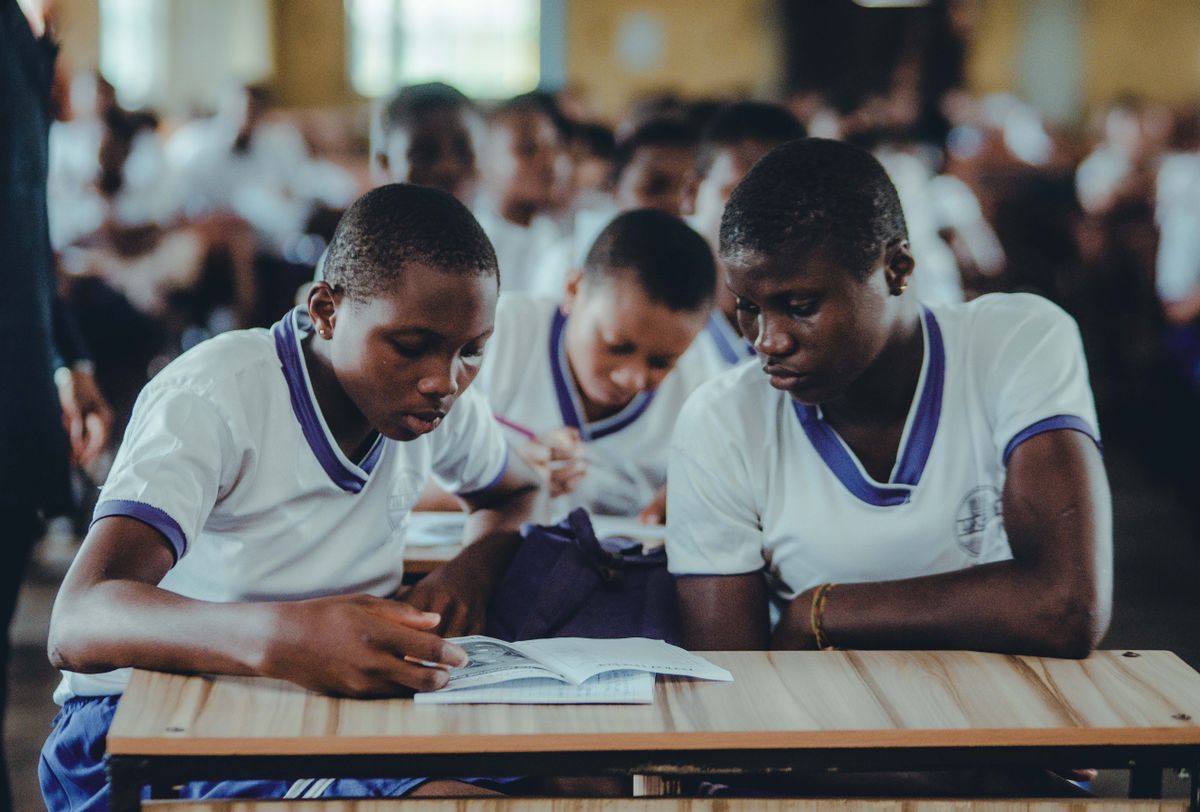
How to find a school in Diamniadio when you move to Senegal's new town: public and private options, vocational training, universities, indicative budgets and TER commutes from Dakar and Rufisque.
Schools in Diamniadio: what families need to know
Diamniadio is no longer just a junction on the road to Mbour. It is a new town where thousands of families settle every year, often before the neighbourhood is finished. The first question is always schooling: where do the children go? This guide walks through the real options, from nursery to university, with indicative budgets and the traps to avoid. You can also browse the schools listed in Diamniadio straight away.
How schooling works in a brand new town
In Diamniadio, classrooms are being built at the same time as housing. Three layers coexist:
- Long standing public schools, inherited from the original villages and supervised by the local education and training inspectorate. Class sizes tend to be large, especially at the start of the year.
- New private schools, opening at the pace of the residential estates: nurseries, primary schools, some bilingual, occasionally a middle school. Many start with two or three year groups and add one per year.
- Higher and vocational education, unusually strong here thanks to the university campus and the technical training centres built on site.
The upside is obvious: new buildings, space, modern equipment. The downside is that few institutions have a long track record, alumni, or a complete path through to the baccalaureate.
Match the school to your actual situation
You want something close. Families living in the Diamniadio estates usually want a school within walking distance or a five minute drive. That works for nursery and primary level; for secondary school, some teenagers still commute to Rufisque, Bargny or Dakar.
You are moving back from abroad. If your children come out of a French, Belgian, Canadian, British or American system, check the curriculum, the language of instruction and how the school handles pupils arriving mid year. International or bilingual schools make the transition smoothest, and many diaspora parents plan the move around the October start.
You are looking at technical training. Diamniadio is one of the few places in Senegal where construction, public works, digital skills and industrial trades have dedicated centres. For a young person leaving school without a clear university plan, this is often the fastest route into a job.
You live in Dakar and study here. Very common: a room in Liberté 6, Parcelles Assainies or Keur Massar, classes on the Diamniadio campus.
What it costs
Fees vary widely by level and by type of school. As a rough guide for Dakar and its outskirts:
- Neighbourhood private nursery: often 15,000 to 40,000 FCFA per month.
- Standard private primary: 25,000 to 75,000 FCFA per month depending on staffing.
- Bilingual or international curriculum: several hundred thousand FCFA per year, sometimes above a million.
- Annual registration fee: usually the equivalent of one to two months of tuition, payable before term starts.
- School transport: 15,000 to 45,000 FCFA per month depending on distance.
Add books, uniforms and activities. Always ask in writing what is included and whether fees are monthly, per term or annual. Public schools charge far less, but expect enrolment paperwork and queues in September.
Commuting, the TER and the daily rhythm
The TER changed the equation: Dakar to Diamniadio in under an hour, with useful intermediate stops for families in Rufisque and the suburbs. For secondary pupils and especially students, it makes living in Dakar and studying in Diamniadio realistic. New to the line? Read our practical guide to riding the TER between Dakar and Diamniadio.
A few habits that save time:
- Test the full journey before you enrol, on a weekday morning rather than a quiet Sunday.
- Plan the last leg between the station and the school: shuttle, minibus, taxi or motorbike depending on the area.
- The rainy season, roughly July to October, stretches every journey. Factor that into the October start.
Recommended addresses on SeneFinder
- IEF DIAMNIADIO : Diamniadio
- CSFP-BTP : Diamniadio
- Institut supérieur d'enseignement professionnel (ISEP) de Diamniadio : Rufisque
- African International school AIS : Diamniadio
To compare more options, see all addresses in this category or explore the Diamniadio directory.
Useful tools
- Route planner to estimate the home, station and school journey.
- FCFA currency converter if you are budgeting from abroad.
- Practical guide for emergency numbers (17, 18, 1515) and transport basics.
- Our complete Diamniadio guide and our roundup of the best schools in Dakar if you are still weighing the two cities.
Frequently asked questions
Are there enough schools in Diamniadio for newly arrived families?
Supply is growing quickly but unevenly across levels. Nursery and primary places are reasonably easy to find, while some families still send teenagers to Rufisque or Dakar for secondary school.
Can we live in Dakar and study in Diamniadio?
Yes, and it is now common thanks to the TER and bus links. Many students on the university campus live in Liberté 6, Parcelles Assainies or Keur Massar and commute daily.
When should we start the enrolment process?
Aim for May to July for an October start. Places at the most sought after private schools go early, and transfer files coming from abroad often take several weeks to process.