
International Schools in Dakar: A Guide
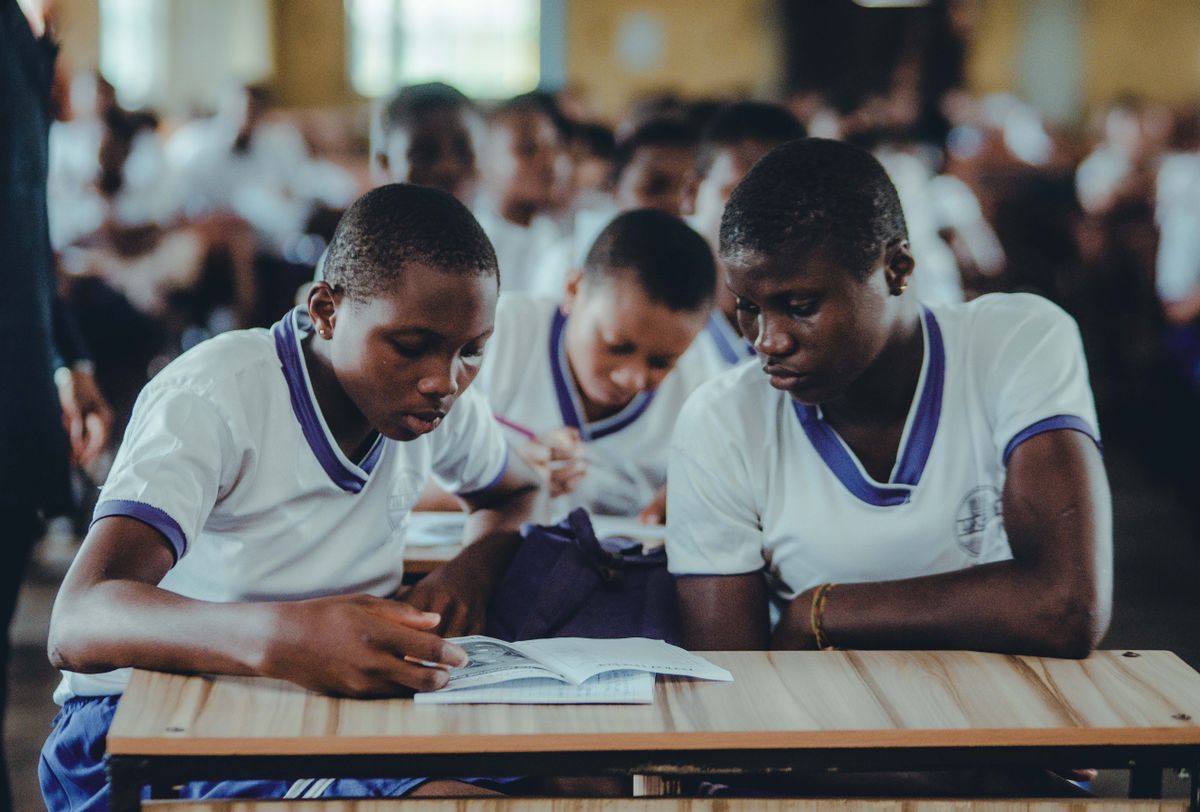
French, American, British and bilingual systems in Dakar: neighborhoods, realistic fee ranges in FCFA, admissions timing and practical advice for families relocating to Senegal.
International Schools in Dakar: A Practical Guide for Families
Dakar hosts almost all of Senegal's international school options. Whether you are diaspora returning home, an expatriate on assignment, or a Senegalese family looking for a bilingual track, the decision comes down to four things: the curriculum system, the neighborhood, the budget, and the admissions calendar. Here is what to sort out before you submit an application.
The main systems available
- French system (AEFE-accredited): the oldest and largest offering. Nursery through terminale, the French baccalauréat, and easy transfers within France and the worldwide AEFE network. Best fit if your future moves are likely francophone.
- American system: US curriculum, high school diploma, usually North American accreditation and sometimes Advanced Placement courses. Taught in English and popular with North American diaspora and staff of international organizations.
- British system: IGCSEs then A-Levels, in English. A smaller segment in Dakar but growing.
- International Baccalaureate (IB): a few schools run the primary years programme or the IB Diploma, valued for its global university recognition.
- Senegalese private bilingual schools: the national curriculum reinforced with English (or Arabic), leading to the BFEM and the Senegalese baccalauréat. Often the best value for money and genuine local immersion.
Where the schools are
The school map mirrors the residential map of western Dakar:
- Almadies and Ngor: the densest cluster of international schools and expatriate families, with newer campuses, green space and sports facilities.
- Ouakam and Mermoz: rapidly densifying areas with several well-regarded bilingual schools, generally more affordable than Almadies.
- Point E and Fann: near the university and embassies; often older institutions with more compact campuses.
- Plateau: a handful of long-established schools, convenient if you work downtown, but parking and traffic are difficult.
- Yoff and the old airport zone: a growing offering, with gentler family rents nearby.
Key tip: in Dakar the commute matters as much as the school. Almadies to Plateau takes about 25 minutes on a Sunday and up to an hour and fifteen on a weekday morning. Many families pick the school first, then find housing within a 15-minute radius. To scope out neighborhoods and nearby services, browse the Dakar directory.
Realistic budgets in FCFA
Fees vary widely by grade level and institution, but these annual ranges are typical:
- Senegalese private bilingual schools: roughly 400,000 to 1,500,000 FCFA per year.
- Accredited French-curriculum schools: roughly 1,500,000 to 4,000,000 FCFA per year, with high school costing more than nursery.
- English-language international schools (American, British, IB): roughly 3,000,000 to 9,000,000 FCFA per year, sometimes more at secondary level.
Budget separately for application and registration fees (often 100,000 to 600,000 FCFA, frequently non-refundable), a one-time enrollment fee at some schools, school bus service (roughly 300,000 to 800,000 FCFA per year depending on distance), lunch, uniforms, books and extracurriculars. Payment is usually spread across three terms. Tuition itself is rarely negotiable, but always ask about a sibling discount or a corporate rate: many employers — NGOs, embassies, mining and oil-and-gas companies — cover part or all of school fees, so raise it during contract negotiation rather than after.
Timing and paperwork
The school year runs from roughly October to June or July. French-system schools typically start in early October; English-language schools often begin in late August or early September. Applications are prepared between January and April for the following year. Nursery and the first year of middle school fill fastest, and waiting lists in Almadies are real, not a sales tactic.
A typical application file includes: report cards from the last two years, a school leaving certificate, a birth certificate, vaccination records, passport photos, parents' ID or passport, and proof of address. Arrange certified translations if records are in neither French nor English. Most schools run a placement test in French, English and mathematics, plus an interview for secondary applicants.
What to check on a campus visit
- Actual accreditation and for which grades — a school may be accredited only through middle school, which matters if you plan to stay through graduation.
- Teacher retention: heavy mid-year turnover is a warning sign.
- Class sizes and the support offered to students who do not yet speak the language of instruction.
- Weather realities: the rainy season from July to October floods some routes, so ask how the school handles heavy-rain days; ask too whether classrooms are air-conditioned for the May–June heat.
- Security and pickup protocol, especially if a driver will collect your child.
Always visit two or three campuses on a weekday during class hours, not on an open-house Saturday. Talk to parents in the pickup line — they will tell you more in five minutes than a brochure does in twenty pages. To compare listed schools and education services, browse the Education category.
Bottom line
Choose the system based on where your child is likely to go to university, the neighborhood based on the daily commute, and the specific school only after visiting. Start the process six to nine months before your target start date, and budget 20–30% above the advertised tuition to cover transport, meals and supplies.