
Best Construction and Renovation Companies in Dakar
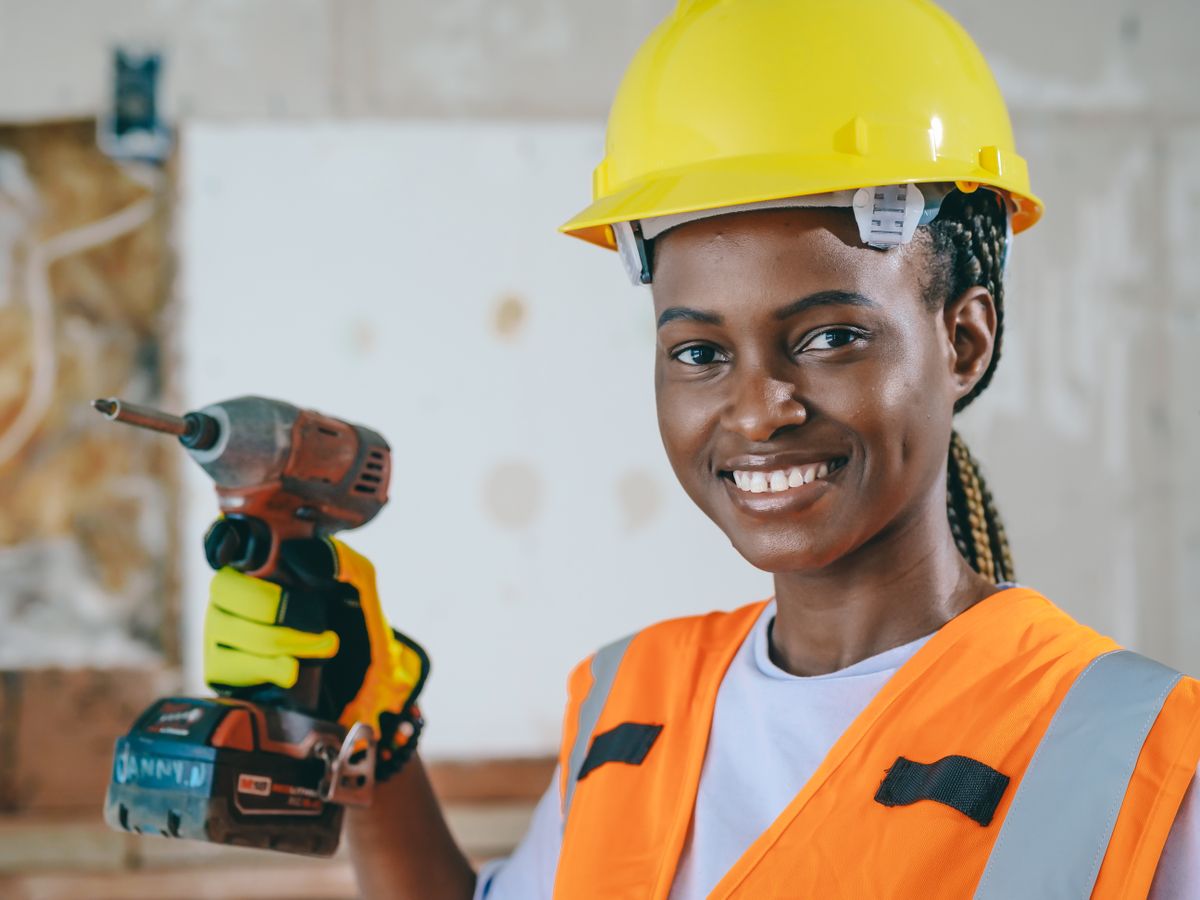
Building or renovating in Dakar: how to read a quote, realistic FCFA budgets, timelines, climate-proof materials and the traps to avoid, plus construction companies listed on SeneFinder.
The Best Construction and Renovation Companies in Dakar
Whether you are building a house in Almadies, refreshing a flat in Point E or running a family project from abroad, the method is identical: a written scope, several comparable quotes and a calendar that survives contact with reality. This guide covers budgets, timelines, materials suited to the Atlantic climate and the traps that cost the most money. It ends with companies already listed under building and real estate in Dakar.
Define the project before asking for quotes
A quote is only useful if every company prices exactly the same work. Before the first phone call, gather:
- your land title or lease, plus the building permit when the commune requires one;
- a plan, even a rough one, with surfaces and number of floors;
- the list of trades involved: structure, plumbing, electrics, joinery, tiling, paint;
- the finish level you want, which can easily double the final bill.
Then insist on an itemised quote with quantities and unit prices. A single line reading "build a two storey villa" tells you nothing and is the clearest warning sign there is.
Realistic budgets in FCFA
Prices move with the neighbourhood, site access and material quality. As a rough guide:
- turnkey construction at standard quality: often 150,000 to 350,000 FCFA per m², clearly more for high end work in Almadies, Ngor or Fann;
- full renovation of a flat in Point E, Mermoz or Sacre Coeur: commonly 75,000 to 200,000 FCFA per m²;
- light refresh, painting and rewiring: a few hundred thousand to a few million FCFA depending on surface;
- earthworks and foundations: highly variable on the sandy ground of Yoff, Parcelles Assainies or Keur Massar.
Always keep roughly ten to fifteen percent aside for surprises: an old pipe, a weakened wall, a jump in cement prices.
Timeline: what happens when
- Drawings and permits: from a few weeks to several months, and the wait differs a lot between Dakar Plateau, Ouakam, Rufisque and Diamniadio.
- Structural work on a two storey villa: usually four to eight months.
- Finishing trades: two to four months, and this is the stage most people underestimate.
- Flat renovation with no structural change: six to twelve weeks.
Tie every payment to a stage you or your representative have seen: foundations, walls, slab, watertight shell, finishes. Diaspora owners should appoint an independent architect or project manager who visits the site and sends dated photo reports.
Materials, seasons and red flags
The rainy season, roughly July to October, slows concrete pours, renders and drying paint, so schedule structural work for the dry months. Along the coast in Ngor, Yoff and Ouakam, salt air eats metal: choose aluminium, stainless fittings and marine grade paint. In Pikine, Guediawaye or Keur Massar, check the water table and drainage before digging.
The most common traps:
- a large deposit demanded before any work starts;
- no written contract, no NINEA registration, no decennial insurance;
- client supplied materials with no precise list or quantities;
- verbal change orders that quietly inflate the budget;
- handover accepted without a signed snagging list.
Recommended addresses on SeneFinder
- CICA BTP : Dakar, construction company.
- Dia btp (Bâtiment et travaux publics) : Dakar, building and public works.
- OZE BTP : Dakar, construction company.
- Betik Constructions : Dakar, construction company.
- Groupe SOECO-PONCET & Cie¸ Entreprise de BTP au Sénégal et en Afrique : Dakar, construction company.
- ECOTRA S.A : Dakar, works contractor.
- EMAS CONSTRUCTION : Dakar, construction company.
- Sen BTP Immo : Dakar, construction and real estate.
- MEVA construction : Dakar, construction company.
- TECSEN : Dakar, works contractor.
To widen your shortlist, see all addresses in this category or explore the Dakar directory neighbourhood by neighbourhood.
Useful tools
- Plan your site visits so you can group several appointments in one day.
- Convert your budget into FCFA if you are funding the project from abroad.
- Emergency numbers and practical info: 17 for police, 18 for fire, 1515 for medical help.
- For the technical trades, read our guides to the best electricians in Dakar, the best plumbers in Dakar and the best carpenters in Dakar.
Frequently asked questions
How many quotes should I compare?
Three is enough, provided they price the same written scope and the same quantities. Treat an unusually cheap quote with suspicion: the gap usually comes back as extras halfway through the job.
Can I manage a Dakar building site from abroad?
Yes, but only with a local representative you trust, a staged payment schedule and regular dated photo reports. Never release a large sum against a verbal progress update.
When is the best time to start building in Dakar?
The dry season, roughly November to June, suits foundations, slabs and renders. Keep the rainy months for interior work such as tiling, joinery and painting.