
Mermoz Dakar Neighborhood Guide
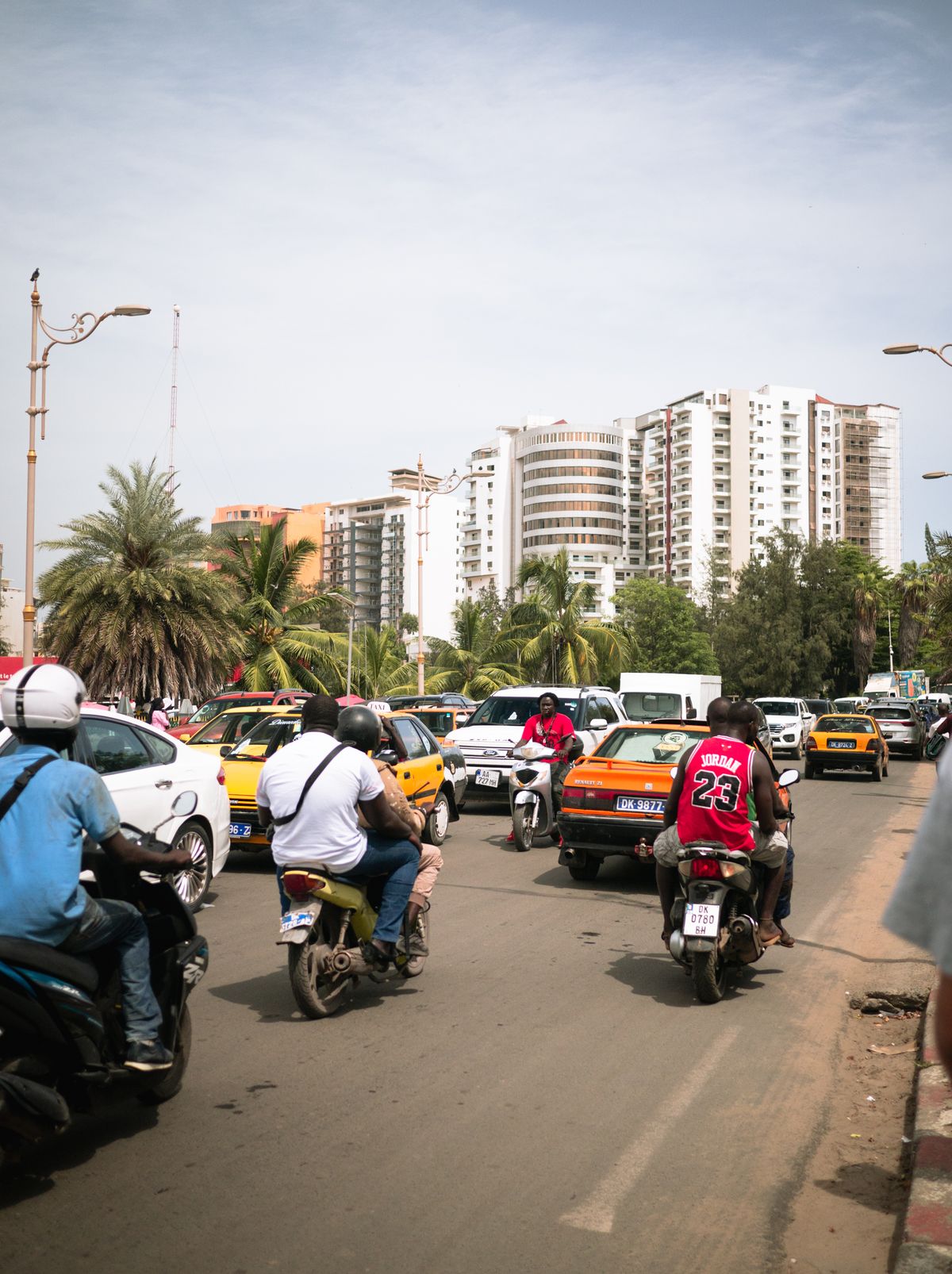
Everything you need to know about Mermoz, a central residential district of Dakar: housing, transport, FCFA budgets, daily life and practical tips for newcomers and the diaspora.
Mermoz Dakar Neighborhood Guide
Mermoz rarely appears in tourist brochures, yet it is where a lot of students, Senegalese professionals, expatriates and returning diaspora members eventually settle. Its appeal is straightforward: a central position along Dakar's western corniche, between Plateau and the Almadies, with rents noticeably softer than the seafront districts.
Where Mermoz sits
Mermoz occupies the western side of the peninsula, bordered by Ouakam to the north, Point E and Sacré-Cœur to the east, and the Atlantic to the west. Locals distinguish "Mermoz pêcheurs" — the more working-class stretch near the coast — from residential Mermoz, a grid of villas and low-rise apartment buildings. The VDN expressway and the western corniche frame the area, which explains its good connections across the city.
Off-peak, expect 15–25 minutes to Plateau, about 10 minutes to the Almadies, and 20–30 minutes to Yoff or Ngor. During rush hours (7–9am and 5–8pm), double those figures: the VDN and the Ouakam road clog quickly.
Housing: realistic budgets
Prices swing widely depending on condition, floor level, and whether the building has a generator or a caretaker. As a guide, for unfurnished long-term rentals:
- Studio: 100,000 – 200,000 FCFA / month
- One-bedroom: 175,000 – 300,000 FCFA / month
- Two-bedroom: 250,000 – 450,000 FCFA / month
- Villa or large furnished apartment: 500,000 – 1,200,000 FCFA / month
Furnished short-stay apartments typically run 25,000 to 70,000 FCFA per night. Budget for a two- to three-month deposit, and if you use a broker, a commission equal to one month's rent. Always ask to see the owner's title or written mandate, and insist on a signed lease — that document is your main protection if a dispute arises.
Two things to check before committing: water pressure on upper floors, and how the building copes with power cuts. Outages are occasional rather than constant, but a shared generator genuinely changes daily comfort.
Everyday life and shopping
Mermoz is a walkable, neighborhood-scale place. You'll find late-opening mini-markets, corner shops selling bread, eggs and phone credit, pharmacies on rotating night duty, hair salons and tailors. Local markets sell vegetables, morning-caught fish and seasonal fruit well below supermarket prices.
Useful benchmarks:
- Meal at a street eatery (tangana): 1,000 – 2,500 FCFA
- Dish at a neighborhood restaurant: 3,500 – 8,000 FCFA
- Taxi to Plateau: 2,500 – 4,000 FCFA (agree the fare before getting in)
- Ride-hailing trip within the area: 1,000 – 2,500 FCFA
- Home fiber internet plan: 20,000 – 40,000 FCFA / month
When you need a tradesperson, a service provider or a business nearby, searching by city is the simplest starting point: browse listings in Dakar.
Getting around
Cars rapides and "Tata" minibuses cover the main arteries for 150–300 FCFA. Yellow-and-black taxis are always negotiated in advance; ride-hailing apps work reliably across western Dakar and remove the haggling. The BRT and the TER commuter rail don't serve Mermoz directly, but both are easy to reach from adjacent corridors.
If you drive, parking is free but chaotic, and informal attendants will ask for 200–500 FCFA to watch your car. It's customary and worth paying.
Seasons and local rhythm
From November to May the weather is dry and pleasant, with the sea breeze cooling streets near the corniche. From July to October comes the rainy season — heavy downpours, humidity, and some side streets that hold water for days. Check drainage in front of a building before signing a twelve-month lease.
The religious calendar shapes the year: the Magal, Korité (Eid al-Fitr) and Tabaski (Eid al-Adha) bring heavy traffic the day before, closed shops on the day itself, and sharply higher prices for livestock and transport in the weeks leading up to Tabaski. Plan errands and travel around them.
Tips for settling in
- Set up mobile money immediately — rent, groceries and small services all flow through it.
- Walk the streets at three different times (morning, late afternoon, night) before choosing where to live.
- Introduce yourself at the corner shop; it is the best local information network you'll find.
- Negotiate politely, but learn the going rate first — asking two or three people is normal.
- Keep small notes and coins; change is often scarce.
If you're planning a broader stay or looking for travel-related services and activities, see the travel and tourism category.
Mermoz has neither the polish of the Almadies nor the bustle of Plateau. What it offers instead is what most newcomers actually want: a central address, the ocean a few minutes away, and a real neighborhood where you eventually know your neighbors by name.