
Guide to Ngor, Dakar: Neighborhood Handbook
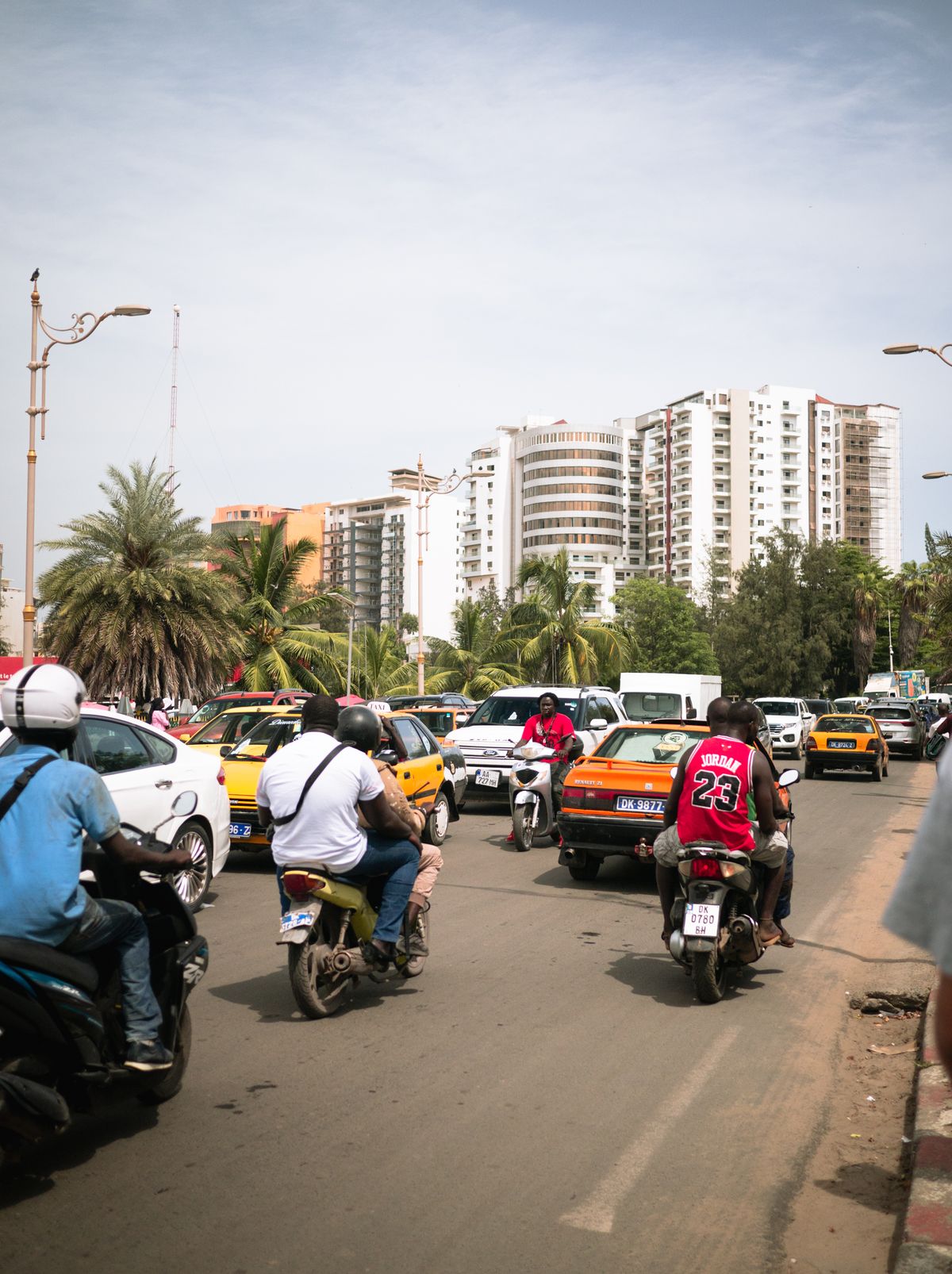
A practical guide to Ngor in Dakar: the Lebou village, beaches, Ngor Island, surf spots, realistic FCFA budgets, and tips for visitors, diaspora members and newcomers settling in.
Guide to Ngor, Dakar: A Neighborhood Handbook
Ngor sits at the far western tip of Dakar, just north of the Almadies, on the westernmost point of continental Africa. It is one of the city's most sought-after neighborhoods for a simple reason: it combines a living Lebou fishing village with an exceptional stretch of Atlantic coastline, all within a 30 to 50 minute drive of the downtown Plateau.
Understanding the layout
Ngor is really three places at once.
- Ngor village — narrow sandy lanes, low houses, and Lebou families who have lived here for generations. Wolof is the everyday language here, more than French.
- Ngor beach and the pirogue landing — a sheltered bay where colorful wooden boats leave for the island.
- Ngor Island — ten minutes offshore, car-free, with a calm north beach and a wilder south side.
Ngor borders the Almadies (restaurants, nightlife, embassies), Ouakam (home to the striking Mosquée de la Divinité) and Yoff (a large fishing village and an important Layene religious site). Point E and Mermoz are quieter residential districts roughly halfway to the Plateau, the administrative and business center. The international airport, AIBD, is about 45 km away — allow one to one and a half hours by road.
Ngor Island
The shared pirogue crossing typically costs 1,000 to 1,500 FCFA round trip per person. Boats leave when full, during daylight hours only. Check the time of the last return crossing before you go, as it usually stops in the late afternoon.
On the island, expect 1,000 to 2,000 FCFA for a sun lounger and 3,000 to 8,000 FCFA for a plate at a beach restaurant — grilled fish, thiof, yassa, or thieboudienne. Bring cash. Mobile money is increasingly common, but card payment is rare outside larger hotels.
Surfing and the ocean
Ngor is the birthplace of Senegalese surfing, and the right-hand break off the island is known well beyond West Africa. The season runs from October to April, when consistent north swell arrives. Summer (July to September) is flatter, hotter and more humid, with short but heavy rains in August and September.
Board rental generally runs 5,000 to 10,000 FCFA per day, and a beginner lesson 15,000 to 25,000 FCFA. Currents and shallow rocks at low tide are genuine hazards — always ask local surfers or your host about conditions before paddling out.
Staying and living in Ngor
For short stays, guesthouses and small hotels in Ngor and the Almadies typically range from 25,000 to 60,000 FCFA per night, with beachfront and upscale properties well above that. For monthly furnished rentals, a studio commonly falls between 250,000 and 450,000 FCFA, and a one-bedroom between 400,000 and 800,000 FCFA, more for an ocean view. Unfurnished rentals inside the village itself are noticeably cheaper.
A few realities worth anticipating: occasional water and power cuts, heavy traffic at peak hours on the Route de Ngor and the VDN, and noise — weddings, baptisms and ceremonies are part of village life, and they can run late.
Getting around
- Yellow taxis — always agree the fare before getting in. Ngor to Almadies: 1,500-2,500 FCFA. Ngor to Plateau: 4,000-7,000 FCFA.
- Ride-hailing apps — usually cheaper and remove the negotiation entirely.
- Cars rapides and shared "clandos" — very cheap, a few hundred FCFA, but impractical with luggage.
- Car rental — from roughly 30,000-45,000 FCFA per day, worth it only if you regularly leave Dakar.
Practical tips
- Learn a little Wolof: nangadef (how are you), jërëjëf (thank you), ba beneen (see you again). It changes how you are received.
- Teranga, Senegalese hospitality, is real — and so are beach vendors and guides. A polite, smiling no is understood and respected.
- Withdraw cash before arriving; ATMs are more common in the Almadies and Ouakam than in the village.
- Fridays slow down around midday prayer, and beaches get crowded on Sundays with Dakarois families.
- During Ramadan and Tabaski, opening hours and availability shift significantly. Book ahead.
- Tap water is generally treated in Dakar, but many residents and visitors still prefer bottled or filtered water.
To find accommodation, guides and services around Ngor, browse the travel and tourism category or explore every listed business in Dakar.
Ngor rewards a slow pace: coffee facing the ocean, a pirogue crossing, grilled fish at sunset, and a walk through the village as the light drops. For first-time visitors, returning diaspora, and newcomers settling in, it is one of the gentlest entry points into Dakar.