
A guide to Dakar's neighborhoods
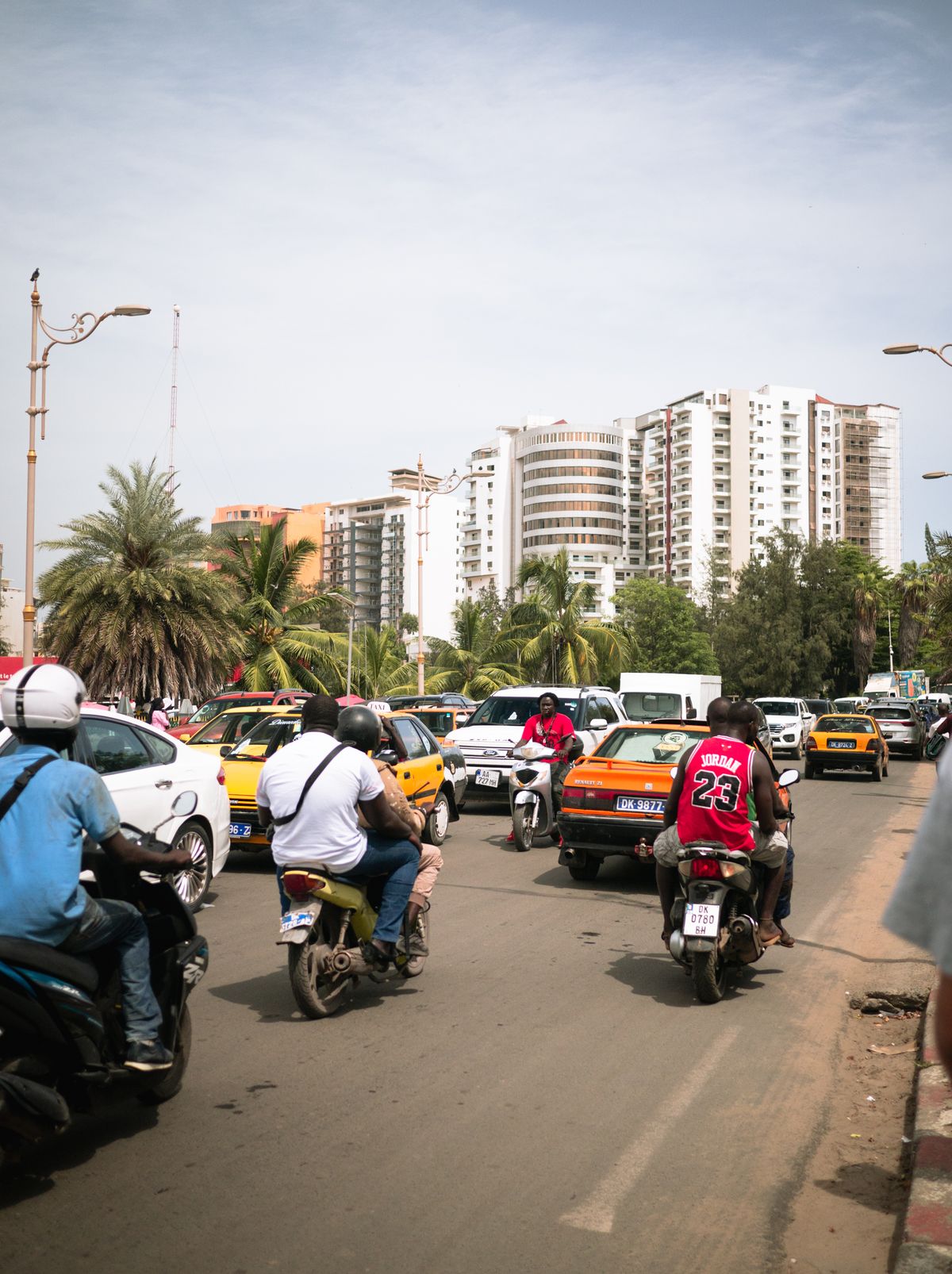
Plateau, Almadies, Medina, Point E, Ngor, Yoff, Parcelles: this guide describes the vibe, strengths and lifestyle of each Dakar neighborhood.
A guide to Dakar's neighborhoods
Dakar is a peninsula with many faces. From one neighborhood to the next, the vibe, prices and pace change dramatically. Whether you're visiting, moving in or simply trying to understand the city better, here's an overview of the main districts of Senegal's capital.
The Plateau, the historic core
The administrative and business center, the Plateau is home to ministries, banks, the Kermel market and colonial architecture. This is the Dakar of offices, lively by day, quieter at night. You'll find good restaurants, galleries and the ferry departure for Gorée Island.
The Medina, the popular soul
Right next door, the Medina is a dense, lively and authentic district. Tilène market, craft workshops, dibiteries and constant street life: this is where the popular heart of Dakar beats, and a great place to feel the city as it truly lives.
Les Almadies and Ngor, the chic seafront
At the western tip, Les Almadies embody modern, affluent Dakar: restaurants, clubs, beaches, hotels and upscale real estate. Neighboring Ngor, with its fishing village and Ngor Island reachable by pirogue, offers a more relaxed atmosphere loved by surfers and sunset seekers.
Yoff, between tradition and ocean
Yoff, a former Lébou village, keeps a strong community and spiritual identity while urbanizing. Its long beach, fish markets and proximity to the old airport area make it a singular district, both traditional and in motion.
Point E, Fann and Mermoz, the pleasant middle ground
Between the center and the west, Point E, Fann and Mermoz form residential neighborhoods popular with families and expats: cafés, schools, the Cheikh Anta Diop University (Fann), tree-lined streets and good services. A balanced compromise between buzz and calm.
Sacré-Cœur and Liberté, everyday Dakar
These central, densely populated districts embody the Dakar middle class: shops, apartment blocks, active neighborhood life and easy access to the rest of the city. Practical and well connected.
Parcelles Assainies and the suburbs
To the north, Parcelles Assainies, Pikine and Guédiawaye are home to a huge share of the population. More affordable and very lively, these areas offer immersion in working-class Dakar, with its markets, stadiums and inexhaustible energy.
Choosing to suit your needs
For a tourist stay, favor the Plateau (culture, Gorée) or Les Almadies/Ngor (beaches, nightlife). To settle in with family, Point E, Mermoz or Sacré-Cœur offer a good balance. For a tight budget or full immersion, head to the suburbs.
Getting around between neighborhoods
Dakar stretches along a long peninsula, and distances can surprise you: getting to Les Almadies from the Plateau easily takes an hour at rush hour. The black-and-yellow taxis are everywhere (agree the fare before getting in), while ride-hail apps like Yango and Heetch offer set prices and more peace of mind. The colorful cars rapides and Dakar Dem Dikk buses serve the city cheaply, and the new TER train links the center to the suburbs and Diamniadio. Always factor in traffic, which is often heavy on weekdays, when planning to cross the city.
Explore further
To discover hotels, restaurants, services and attractions by area, explore the city on Senefinder: see everything in Dakar. And to plan visits and excursions, take a look at the travel category: see travel and tourism.
Whatever your favorite neighborhood, Dakar always rewards those who take the time to walk it.