
Guide to Sacré-Cœur, Dakar: living and renting
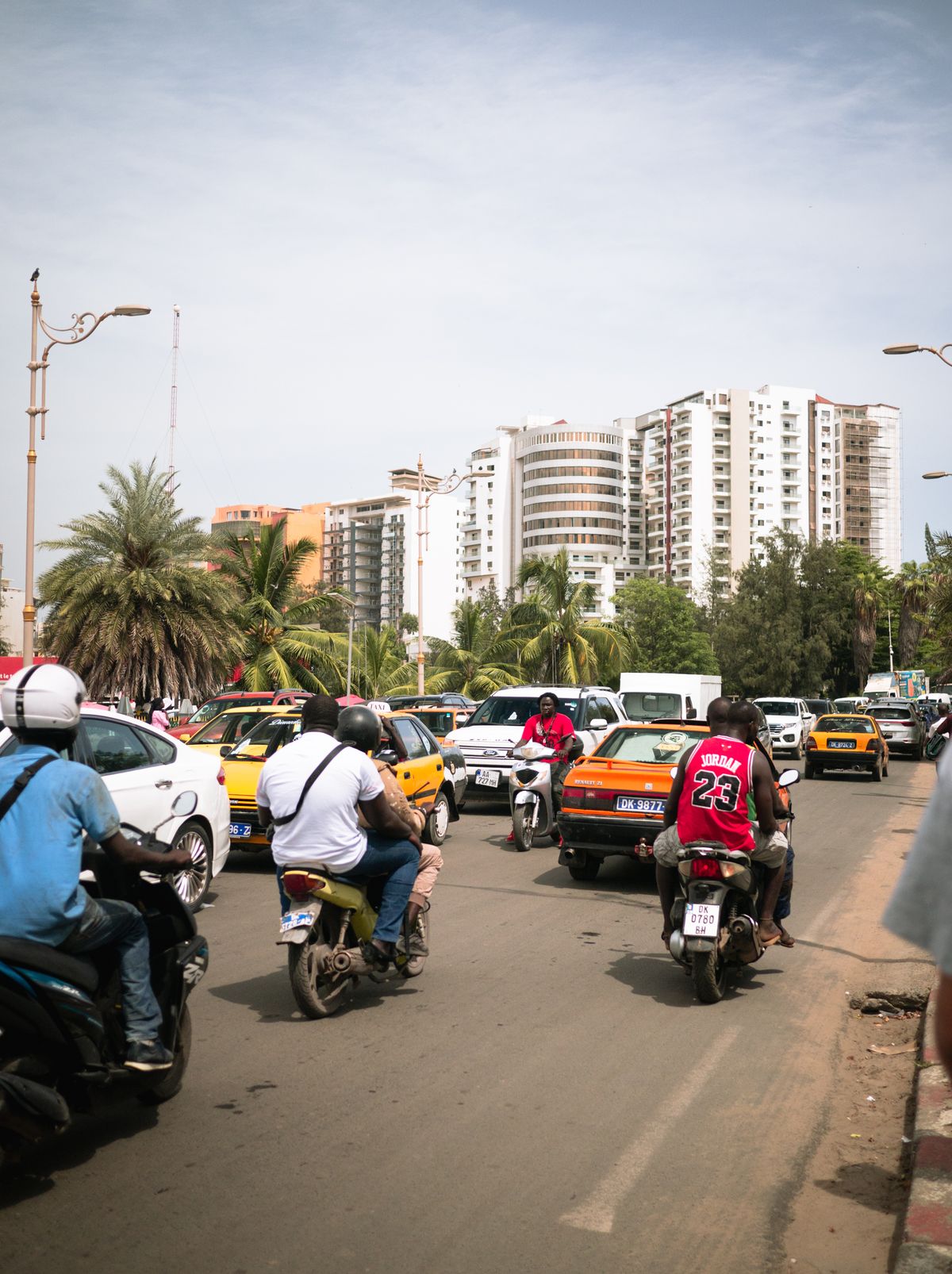
A practical guide to Sacré-Cœur in Dakar: residential feel, VDN access, everyday shops, schools and realistic rent ranges to help you choose where to live.
Guide to Sacré-Cœur, Dakar: a neighborhood walkthrough
Sacré-Cœur is one of Dakar's most sought after residential neighborhoods: central but fairly quiet, running along the VDN expressway, minutes from Mermoz, Point E and Liberté 6. People move here for the calm side streets, the schools and the density of everyday shops. Here is what to know before renting, settling a family or spending a few weeks in the area.
How the neighborhood is laid out
Locals talk about Sacré-Cœur 1, 2 and 3, plus the extensions and the newer Cité Keur Gorgui with its tall buildings and gated residences.
- Along the VDN: fast road access, shops, restaurants and services lining the route. Convenient, but louder and exposed to rush hour traffic.
- Inner streets: villas and small apartment blocks, a quiet family atmosphere during the day.
- Cité Keur Gorgui: recent apartments with elevators and parking, popular with young professionals, diaspora families and expatriates.
- Edges toward Liberté 6 and Mermoz: more affordable, well connected, with lively neighborhood markets.
The VDN shapes daily life here. It puts Almadies, Ouakam and Yoff within easy reach, and the motorway toward Diass airport is straightforward, but the road clogs at peak times, usually early morning and late afternoon.
Renting: realistic price ranges
Rents depend on the building's condition, the floor, and whether there is an elevator, a generator or parking. As a rough guide for this part of Dakar:
- Studio or small one bedroom: often 200,000 to 350,000 FCFA per month.
- Two or three bedroom apartment: commonly 400,000 to 700,000 FCFA.
- Upscale or furnished unit in a secured residence: 700,000 FCFA to well over 1,200,000 FCFA.
- Family villa: above 1,000,000 FCFA, with wide variation street by street.
Practical habits pay off. Landlords usually ask for two months' deposit plus one month in advance. Confirm whether water and electricity are included, ask who covers building charges, and visit once during the day and once in the evening to judge noise and parking.
Everyday life: shops, schools, services
Sacré-Cœur works well without a car for daily needs. You will find corner shops open late, bakeries, supermarkets, pharmacies, hair and beauty salons, and grill restaurants that come alive in the evening along the VDN.
For schools, the area and its immediate surroundings concentrate French-language private schools, bilingual schools and nurseries, which explains much of the family rental demand. Start enquiring early: places fill quickly before the October school year begins.
For getting around, yellow taxis and ride-hailing apps are easy to find, buses and minibuses serve the main roads, and the VDN speeds up trips to Plateau, Almadies or Parcelles Assainies. For emergencies, remember 17 for police, 18 for firefighters and 1515 for the ambulance service.
Seasons and common pitfalls
From July to October, the rainy season brings heavy downpours and some secondary streets hold water, so ask to see the street in the wet season or talk to neighbors. From December to March the weather is dry and pleasant, and short-term rental demand rises.
Other things to check: whether the building has a borehole or a water tank, how often power cuts affect the block, how the rent compares with several other listings, and above all insist on a written lease before paying anything.
Recommended addresses on SeneFinder
- MERCURE VOYAGES & TOURISME : Sacré-Cœur, tourism agency.
- Agence de Voyages a Dakar Sénégal - La Réponse : Cité Keur Gorgui, travel agency.
- AkoyaHairDakar : Sacré-Cœur, beauty and hair.
- Bambinerie Ô'case Bébé : Cité Keur Gorgui, children's goods.
- Grill Time : VDN, food and restaurant.
- Hair Spa Dakar : Sacré-Cœur, beauty and hair.
To browse more places around the neighborhood, you can see all addresses.
Useful tools
- Route planner to map trips between Sacré-Cœur, Plateau and Almadies.
- FCFA currency converter to compare a rent or a budget from abroad.
- Practical guide for emergency numbers, transport and everyday paperwork.
- Still comparing areas? Read our guide to Point E and our guide to Ouakam.
Frequently asked questions
Is Sacré-Cœur a good neighborhood for families?
Yes, it is one of the most family-friendly parts of Dakar, thanks to its residential streets, private and bilingual schools and nearby shops. The streets furthest from the VDN are the quietest.
How much does it cost to rent in Sacré-Cœur?
Expect roughly 200,000 to 350,000 FCFA for a studio, 400,000 to 700,000 FCFA for two or three bedrooms, and more for furnished units or secured residences. Budget for the deposit and advance payment on top.
Do I need a car to live in Sacré-Cœur?
Not really: shops, pharmacies and schools are within walking distance, and taxis and ride-hailing cars are easy to find. A car helps if you commute daily to Plateau or Diamniadio.