
Guide to Yoff, Dakar: Neighborhood Handbook
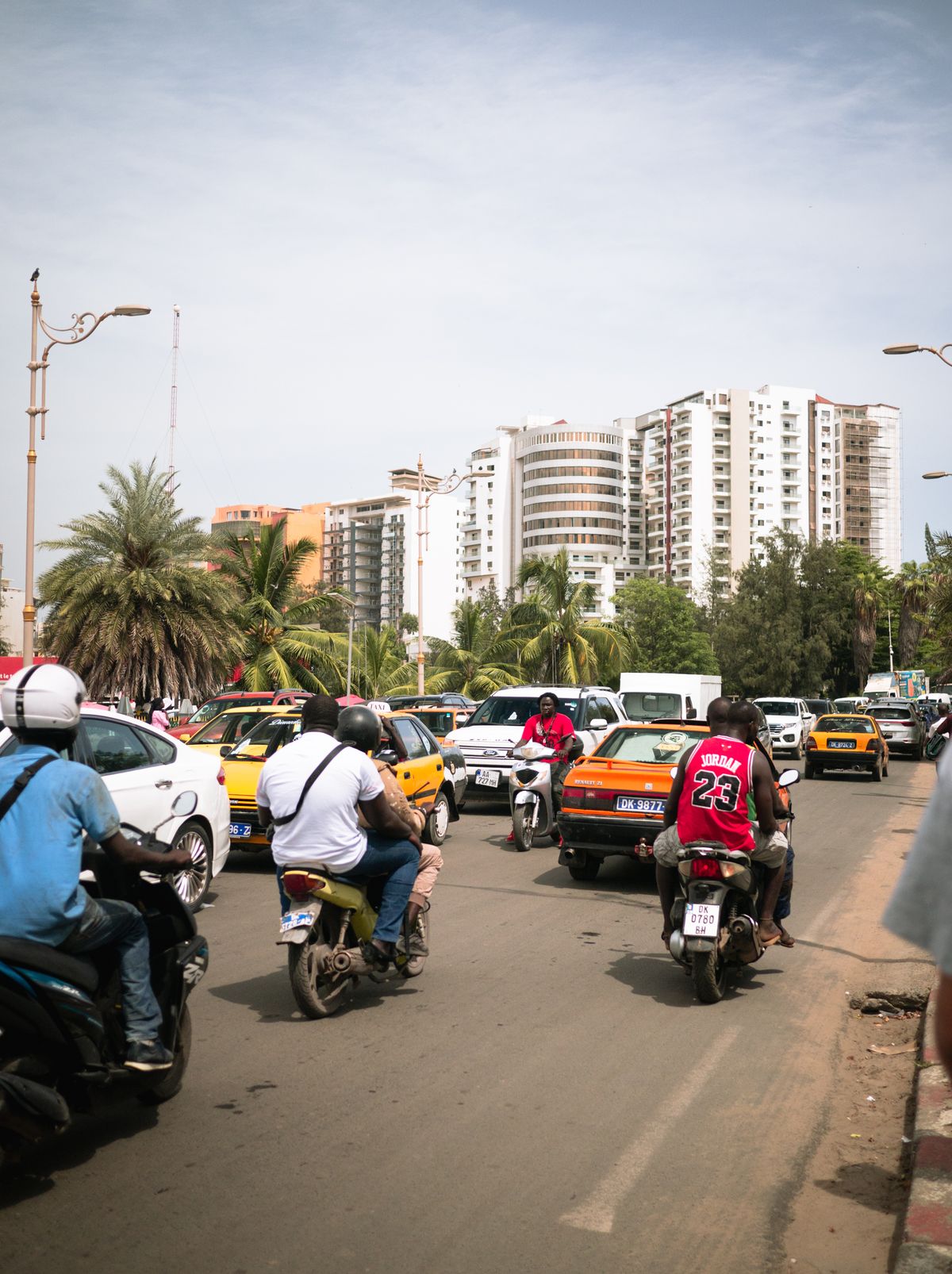
Everything you need to know about Yoff, Dakar: Lebou culture, beaches, rent and prices in FCFA, transport, seasons, and practical tips for visitors, diaspora and newcomers.
Guide to Yoff, Dakar: A Neighborhood Handbook
Yoff sits on the northwestern tip of the Cap-Vert peninsula, between the former Léopold Sédar Senghor airport and the Atlantic. It is one of the few parts of Dakar where a traditional Lebou fishing village — with its beachfront cemeteries and rows of pirogues — coexists with new apartment blocks, cafés and a growing international population. For a visitor, a diaspora traveler or a newcomer settling in, Yoff offers a rare combination: the ocean, still-reasonable rents, and genuine neighborhood life.
Understanding the geography
Yoff is not a single uniform area. In practice you'll hear about:
- Yoff Village (Yoff Tonghor, Yoff Ndenatte) — the historic Lebou core, sandy lanes, the fishing beach, strong community identity and a significant Layene presence.
- Yoff Virage — the liveliest stretch of coast, fish restaurants, sports pitches, and crowds of walkers and joggers in the late afternoon.
- Yoff Layène / Cité Aéroport / Nord Foire — more planned residential zones, newer buildings, everyday shops and services.
Heading west, Ngor and Almadies move upmarket; Ouakam stretches toward the African Renaissance Monument; and Mermoz, Point E and the Plateau lie further south toward the administrative center. That position makes Yoff a practical base: roughly 45 minutes to 1 hour 15 from the Plateau depending on traffic.
What draws people to Yoff
The beach and the fishing fleet. The late-morning arrival of the pirogues is one of the most authentic scenes in Dakar: thiof, sardinella, cuttlefish, brisk Wolof haggling, crushed ice and handcarts. Come early, agree on the price per kilo before choosing, and expect roughly 2,000–6,000 FCFA/kg depending on species and season.
Swimming and surfing. Currents at Yoff Virage are real; ask locals about conditions and avoid swimming alone. The surf breaks at Ngor and Ouakam are minutes away, and a lesson with board rental typically runs 10,000–25,000 FCFA.
Spiritual life. Yoff is a major center of the Layene brotherhood. During the Appel de Seydina Limamou Laye, tens of thousands of pilgrims arrive: accommodation fills up, traffic thickens, and the atmosphere is extraordinary. Dress modestly near religious sites and always ask before photographing people.
Housing: realistic ranges
Prices swing sharply with proximity to the ocean and building quality. As rough guidance for unfurnished long-term rentals:
- Studio or small one-bedroom: 100,000–200,000 FCFA/month
- Decent two-bedroom apartment: 200,000–400,000 FCFA/month
- Modern unit with sea view or Almadies-standard finish: 450,000–900,000 FCFA/month and up
- Furnished short-term rental: 25,000–70,000 FCFA/night, seasonal
Landlords commonly ask for one to three months' deposit plus an agency fee equal to about one month's rent. Check water pressure, whether the building has a borehole or storage tank, the state of the electrical panel, and exposure to sea spray, which corrodes metalwork fast. Insist on a written lease and regular receipts.
Getting around
- Yellow taxis — always negotiate before getting in. Yoff to the Plateau runs about 3,000–5,000 FCFA; Yoff to Almadies about 1,500–2,500 FCFA.
- Ride-hailing apps — comparable fares, often more predictable.
- Cars rapides, Tata buses and minibuses — very cheap, a few hundred francs, but slow and packed at peak hours.
- BRT and TER — they serve the downtown corridor and suburbs; from Yoff you'll need a connecting ride to reach them.
Congestion on the Voie de Dégagement Nord and the old airport road is heavy from about 7:30–9:30 a.m. and again 5–8 p.m. The international airport is now at Diass, 1 to 1.5 hours away; budget 20,000–30,000 FCFA by taxi or ride-hailing.
Seasons and daily costs
From November to May the weather is dry, breezy and pleasant, with genuinely cool nights in January. From July to October, the rainy season brings heat, humidity and heavy downpours — sandy streets can hold water for days. Harmattan dust in December and January bothers people with respiratory sensitivities.
On daily spending: a plate of thiéboudienne at a neighborhood eatery costs 1,500–3,000 FCFA; a seafront restaurant meal 6,000–15,000 FCFA; home fiber internet 20,000–40,000 FCFA/month; and a prepaid SIM with data a few thousand francs. Mobile money is accepted almost everywhere, including by many small vendors.
Practical tips
- Walk the street at several times of day before signing a lease — noise, mosques, schools and generators all matter.
- Withdraw cash during daylight hours and keep small notes for taxis.
- Learn a little Wolof: nanga def (how are you), ñaata la (how much), jërëjëf (thank you). It changes every negotiation.
- To find local guides, accommodation and service providers, browse the travel and tourism directory or the Dakar listings page.
Yoff rewards patience. Within a few weeks you'll recognize the vendors, learn the rhythm of the tides, and understand why this village-turned-neighborhood remains one of the most endearing addresses in Dakar.