
Importing a Car to Senegal: A Practical Guide
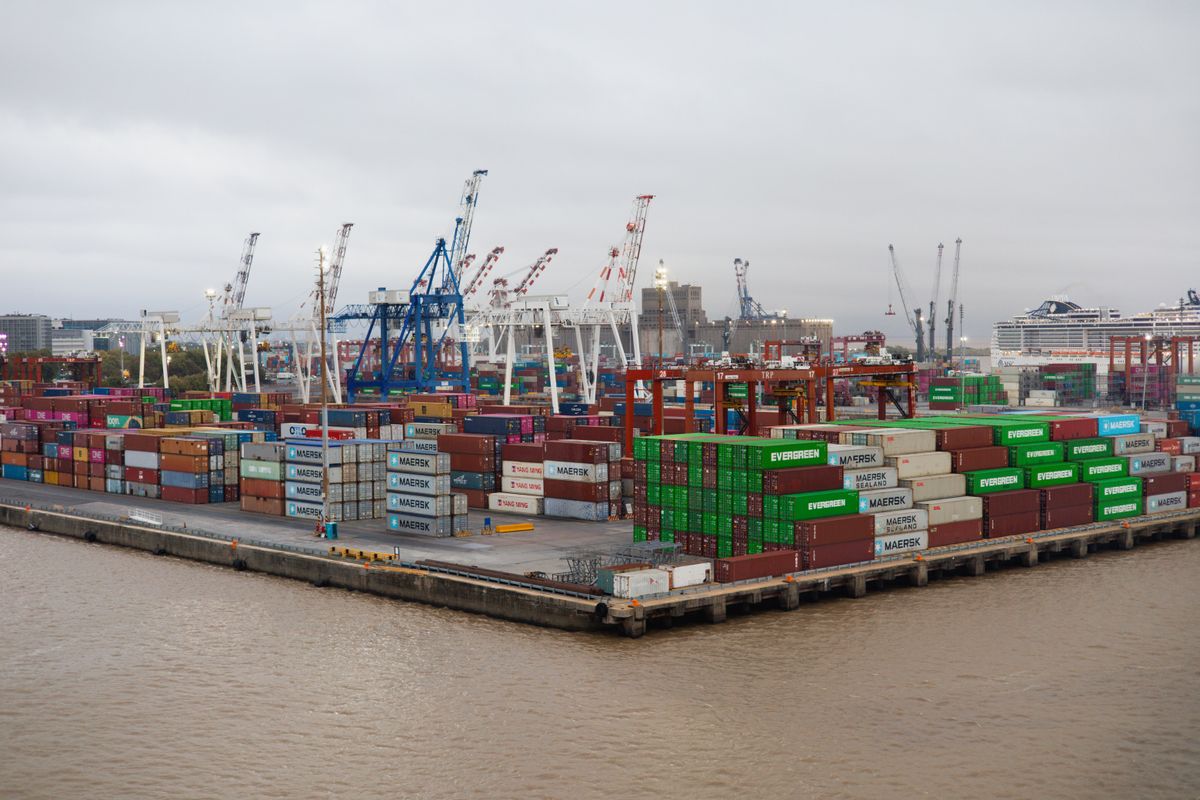
What you need to know about importing a car to Senegal: the 8-year rule, customs duties, clearance at the Port of Dakar, realistic FCFA costs, and local alternatives.
Importing a Car to Senegal: The Complete Guide
Whether you're a member of the diaspora moving back to Dakar, an expat on a long posting, or simply a buyer hoping to beat local prices, importing a car to Senegal is a well-trodden path — but rarely as simple as it first appears. Here's what to actually plan for.
The 8-year rule: start here
Senegal caps imports of used passenger vehicles at 8 years from the date of first registration (the limit is more generous for certain commercial vehicles and trucks). Age is calculated from the date on the original registration document, not the model year.
In practice: a 2015 sedan bought in 2026 will not clear. Plenty of people discover this only after the car is already on a ship, then have to re-export it at their own expense. Check the first registration date before you buy, not after.
Documents to gather
Before the vehicle is loaded, collect:
- The original registration certificate (title) — photocopies are consistently rejected
- The purchase invoice or bill of sale
- The Bill of Lading issued by your shipping agent
- Your ID or passport, plus a NINEA number if importing under a company name
- A lien-free certificate if the vehicle comes from Europe
One frequently overlooked item: the BSC (Cargo Tracking Note), which must be obtained online before the ship departs. Without it, clearance stalls and penalties apply. Budget roughly 25,000–60,000 FCFA depending on the provider.
The real cost: beyond the purchase price
This is where budgets break. Duties are not calculated on what you paid, but on the customs value assessed by the administration using its own valuation tables. A car bought for €3,000 in Belgium may be valued considerably higher.
Combined levies — customs duty, VAT, statistical fee, regional community levies — commonly total 45% to 70% of the customs value, and more for large-displacement or high-powered engines.
Typical figures seen in Dakar:
- Sea freight from Europe (roll-on/roll-off): 400,000–900,000 FCFA
- Freight from North America (shared container): 900,000–1,800,000 FCFA
- Clearing agent fees: 150,000–400,000 FCFA
- Port storage if delayed: 15,000–50,000 FCFA per day
- Registration and title: 60,000–150,000 FCFA
All in, for a used compact car, it's common for duties + freight + fees to match or exceed the purchase price of the vehicle itself.
Clearing the Port of Dakar
Vehicles land at the Port autonome de Dakar, right beside the Plateau. Declarations go through the GAINDE electronic system, and almost always via a licensed clearing agent. Trying to clear the car yourself typically costs more in lost time and storage than the agent's fee would have.
Expect 7 to 21 days between the ship's arrival and driving the car out — sometimes longer. Storage is billed daily, so every missing document has a price tag. The advice regulars repeat: send scans of every document to your agent before the ship arrives, not on the day it docks.
Local context nobody mentions
The rainy season, hivernage (July–October), brings flooding and heavy traffic, and unpaved streets in neighborhoods like Ouakam, Yoff, and parts of Mermoz become rough going. Low ground clearance is a genuine handicap. Conversely, along the corniche between the Almadies and Ngor, sea air and salt accelerate corrosion — an already-rusty chassis from Belgium or Canada will age fast.
Think hard about parts availability. Toyota, Hyundai, Renault, Peugeot, and Nissan can be repaired almost anywhere at reasonable cost. A high-end German sedan or a recent hybrid means ordering parts from abroad, paying considerably more, and finding few trained mechanics outside a handful of specialist workshops around Point E and the Almadies.
Should you import at all?
For a stay under two years, buying locally is usually the smarter call. Dakar's used-car market is active, and a vehicle that has already cleared customs saves you three months of paperwork. Compare listings and garages in SeneFinder's automotive category, and browse businesses based in Dakar to find clearing agents, mechanics, and dealers.
Three habits before you commit
- Verify the vehicle's age on the registration document before any payment changes hands
- Get a written duty estimate from a clearing agent based on the exact model and customs value — not on your invoice
- Add a 20% buffer to your budget: incidental fees are the rule, not the exception
Done properly, importing still pays off for a reliable car you intend to keep for several years. Done carelessly, it becomes the most expensive mistake of your relocation.