
Event Equipment Rental in Dakar: Guide
A practical guide to event equipment rental in Dakar: tents, chairs, sound, cooling and generators, with FCFA price ranges, neighborhoods, seasonal timing and the mistakes to avoid.
Event Equipment Rental in Dakar: A Practical Guide
Whether you are planning a wedding in Ouakam, a naming ceremony in Yoff, a corporate seminar in Plateau or a seaside birthday in the Almadies, one step is almost always the same: renting the equipment. Dakar's rental market is dense, highly competitive and still driven largely by word of mouth. Here is what to know before you commit to anything.
What people actually rent in Dakar
Dakar suppliers usually group their offer into four families:
- Structure and comfort: tents and marquees, tarpaulins, flooring, carpet, staging, platforms, arches and floral backdrops.
- Furniture and tableware: chairs (plastic, Napoleon, Tiffany), round or rectangular tables, linens, chair covers, plates, glassware, cutlery, warmers and chafing dishes.
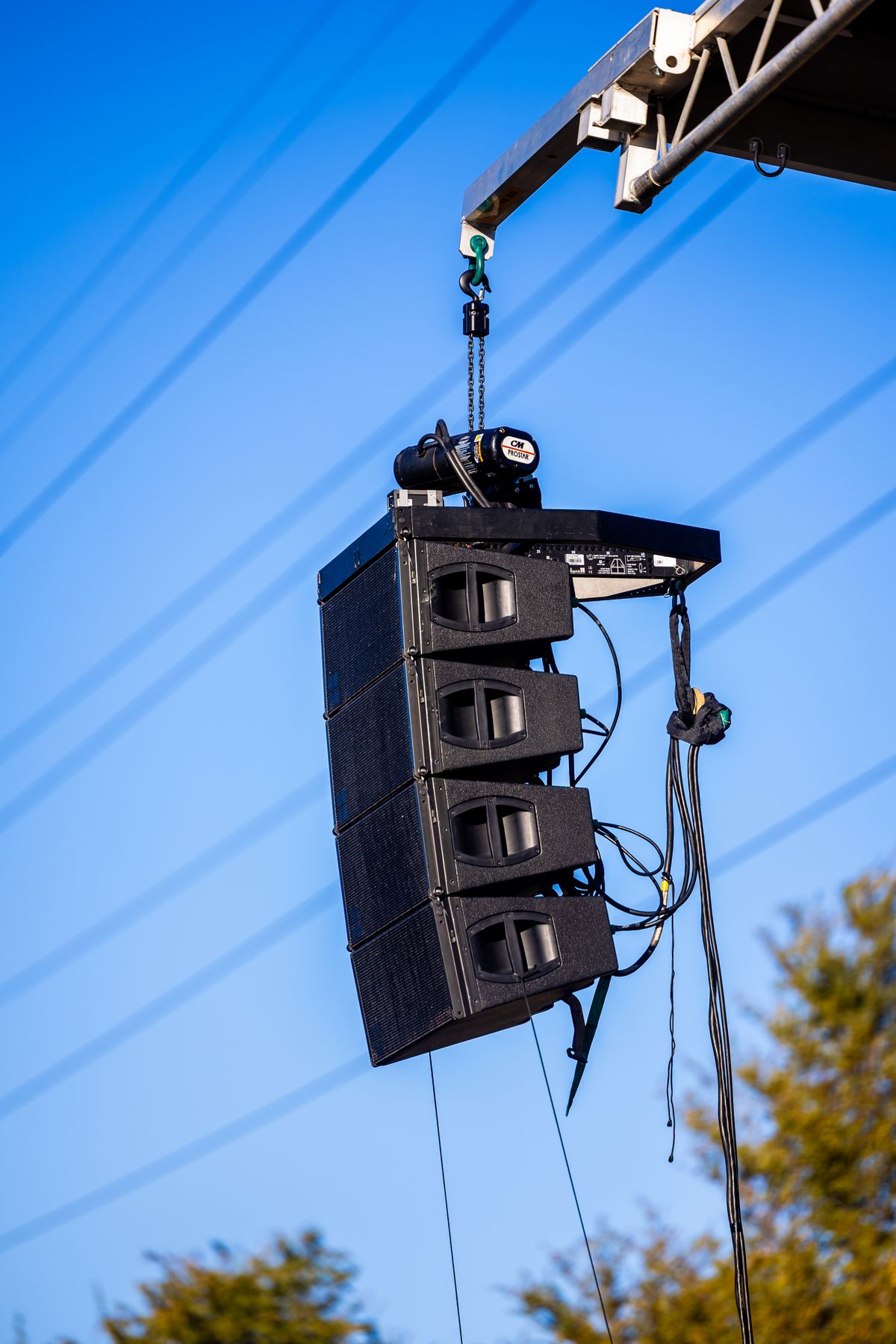
- Technical: sound systems, wireless microphones, lighting, projectors and screens, generators, extension cables and distribution boards.
- Cooling and logistics: mobile cold rooms, freezers, misting fans, portable air conditioning, smoke machines, mobile toilets.
Many suppliers also handle catering, decoration and day-of coordination. Bundling often saves money, but insist that each line is itemised on the quote instead of buried inside a single package price.
Indicative price ranges (FCFA)
Rates move with the season, the distance and the quality of the stock. As a rough guide, for a one-day rental in Dakar:
- Plastic chair: 300 to 700 F each; Napoleon or Tiffany chair: 1,000 to 3,000 F.
- Round table for 8-10: 2,500 to 6,000 F, usually without linen.
- Tablecloth plus chair cover: 500 to 2,000 F per set.
- Tent or marquee: 75,000 to 400,000 F depending on size, structure and draping.
- Full sound system with a technician: 100,000 to 500,000 F; a complete DJ package typically costs more.
- Stage lighting: 75,000 to 300,000 F.
- Generator: 50,000 to 200,000 F per day, fuel usually extra.
- Plates and cutlery: 200 to 800 F per full place setting.
Delivery, setup and teardown are rarely included: budget 25,000 to 100,000 F depending on volume and neighborhood. A deposit of 30 to 50% at booking is standard, with the balance due before or on the day. Always ask for a written quote and an invoice.
The season factor
In Dakar the calendar drives the price. Wedding season broadly runs from November to May, once the heat and humidity ease off. December and January weekends, popular with visiting diaspora families, can be booked three to six months ahead, and rates climb accordingly.
The rainy season, roughly July to October, brings short but violent downpours. If your event falls in that window, insist on reinforced tent structures, a covered plan B, raised electrical cabling and ground that drains. Also factor in the religious holidays: around Korité, Tabaski and the Magal, stock thins out and many crews are already committed elsewhere.
Neighborhoods and logistics
Higher-end suppliers tend to cluster around the Almadies, Ngor and Mermoz, close to the villas, hotels and beaches where receptions happen. Companies and institutions in Plateau and Point E lean toward seminar kit: screens, light sound, restrained furniture. The cheapest depots sit further out toward the suburbs, which usually means higher transport charges back toward the Corniche.
Plan for physical constraints: narrow lanes in Ouakam and Yoff, sand that strands trucks near the beaches, upper-floor venues without lifts, and above all traffic. A late-afternoon delivery along the VDN or the Corniche can easily run two hours behind schedule.
How to avoid unpleasant surprises
- Go and see the equipment before paying. Photos circulating on social media do not always match the actual stock.
- Do the electrical maths. Sound, lighting and refrigeration quickly exceed what a villa supply can handle. Have someone calculate the load and plan for a generator, even in well-served areas.
- Confirm who sets up and who takes down, at what time, and who stays on site during the event. An on-site technician beats a phone number.
- Clarify breakage terms. Glassware and crockery are billed per item if lost or broken; get it in writing.
- Order more seats than confirmed guests. In Senegal, guests often bring company; a 15 to 20% margin is reasonable.
- If you are diaspora: appoint someone you trust locally to inspect and handle payments, and avoid paying everything up front from abroad.
Finding a supplier
Compare at least three quotes covering an identical scope, and ask for references from recent events of similar size. You can browse event professionals in the SeneFinder directory through the events and entertainment category or look directly at providers in Dakar.
A good supplier asks questions before quoting a price: guest count, venue, timing, access, power requirements. A quote that arrives without any of those questions is rarely a good sign.