
Best Driving Schools in Dakar: Practical Guide
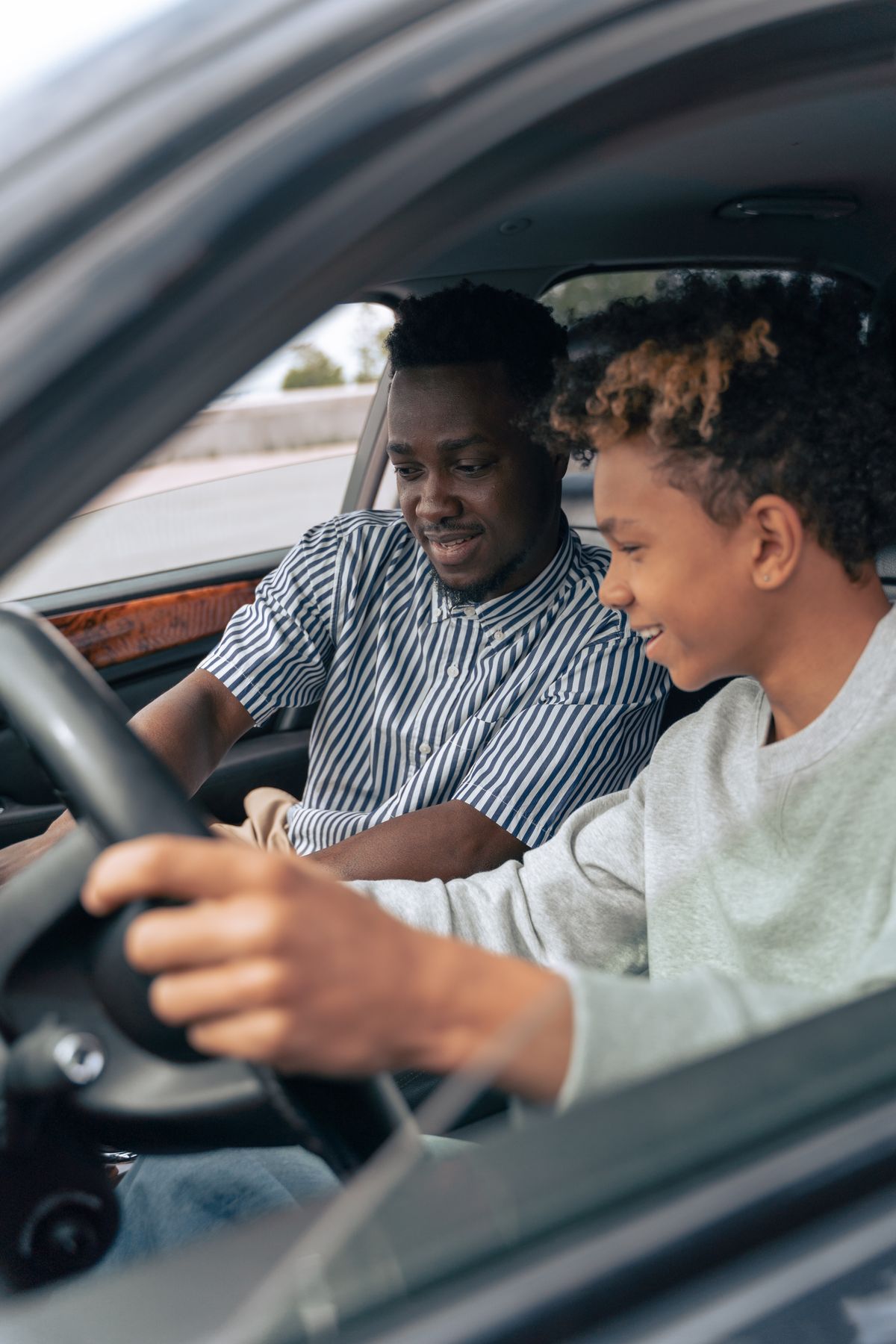
How to pick among the best driving schools in Dakar: realistic FCFA budgets, neighbourhood by neighbourhood, red flags, seasonal timing, and advice for newcomers and the diaspora.
Best Driving Schools in Dakar: What to Know Before You Enrol
Getting a driving licence in Dakar takes time, a realistic budget and, above all, good instruction. Between the one-way streets of Plateau, the busy roundabouts along the VDN and the cars rapides that stop without warning, Senegal's capital is a demanding place to learn — and a very effective one. Here is what to check before you sign anything.
How the Senegalese licence works
Category B (light vehicles) covers most applicants. You must be at least 18, and your file will typically include a birth certificate, a copy of your ID card or passport, passport photos and a medical fitness certificate. Most schools file the paperwork with the land transport authorities on your behalf. That is genuinely useful — just confirm it is included in the quoted price rather than billed later.
Training comes in two parts: the highway code (signs, right of way, road rules), then driving itself. The practical test focuses on parallel parking, hill starts, manoeuvres and real city traffic.
What it costs
Prices vary widely by neighbourhood and service level. As a rough guide:
- Full category B package: roughly 150,000 to 250,000 FCFA at a neighbourhood school
- Premium schools (Almadies, Ngor, Mermoz): 250,000 to 400,000 FCFA, often with newer cars and flexible scheduling
- Extra driving hours: 5,000 to 10,000 FCFA per hour
- Administrative fees, stamps and the medical check: 25,000 to 60,000 FCFA, depending on what the package already covers
- Re-sitting the test: commonly 15,000 to 40,000 FCFA
Be wary of unusually cheap offers. They often hide too few driving hours — 8 to 10 where 20 to 25 is realistic for a true beginner. Always ask for a written contract stating the number of hours and exactly what is and is not included.
Choosing by neighbourhood
In Dakar, proximity matters more than anything. A school thirty minutes away in rush-hour traffic is a school whose lessons you will start skipping.
- Plateau: dense traffic, one-way systems, difficult parking. Tough training ground, fast progress.
- Point E, Mermoz, Sacré-Coeur: a high concentration of schools serving students and office workers, usually good value.
- Almadies, Ngor, Yoff: more upmarket operations, sometimes with English-speaking instructors and automatic cars — helpful for the diaspora and expatriates.
- Ouakam: direct access to the VDN and the corniche, ideal for practising roundabouts and fast merges.
- Grand Yoff, Parcelles Assainies, Pikine: more affordable rates, but check vehicle condition and whether lessons actually run on schedule.
Five signs of a serious school
- A visible official licence and a fixed address you can walk into unannounced.
- A written contract and a receipt for every payment. Avoid cash handovers with no paper trail.
- Dual-control vehicles in decent condition, with working seatbelts and sound tyres.
- A consistent instructor rather than a different person each week, and lessons that start on time.
- A straight answer about timelines: how many weeks until the code exam, until driving lessons, until you actually sit the test.
Conversely, walk away from anyone promising an express licence or guaranteed pass without an exam. It is illegal, and an irregular document is worthless at a police checkpoint, after an accident, or in an insurance claim.
Timing and seasons
During the rainy season (July to October), downpours flood parts of Grand Yoff, Liberté 6 and the approaches to Ouakam, turning every trip into an exercise in patience. It is an excellent time to learn, provided you accept the occasional cancelled lesson. During Ramadan, schedules shorten and traffic gets tense in the hour before the fast is broken. From December to January, arriving diaspora families fill up the schools — book several weeks ahead.
For the diaspora and newcomers
If you already hold a foreign licence, ask the land transport authorities about exchange or recognition before paying for a full course. Rules depend on your country of issue and change over time. In many cases a handful of refresher lessons is enough — and their real value is teaching you to anticipate motorbikes, horse carts, taxis that brake without indicating, and the heavily negotiated right of way at major roundabouts.
Practical tips
- Book at least a few lessons at peak hours. Driving at 7am or 6:30pm is nothing like a quiet Sunday morning.
- Ask specifically to practise the VDN, the corniche and the big roundabouts at Liberté 6 or Patte d'Oie.
- Learn on a manual gearbox. Most second-hand cars in Senegal are manual.
- Keep copies of every document you submit; administrative timelines can be long.
Finding a school near you
Compare several schools before committing: visit the premises, look at the cars, and talk to students who are mid-course. You can browse training providers in the SeneFinder directory under the education category, or explore every listed business in Dakar.