
Best Banks in Dakar: A Practical Guide
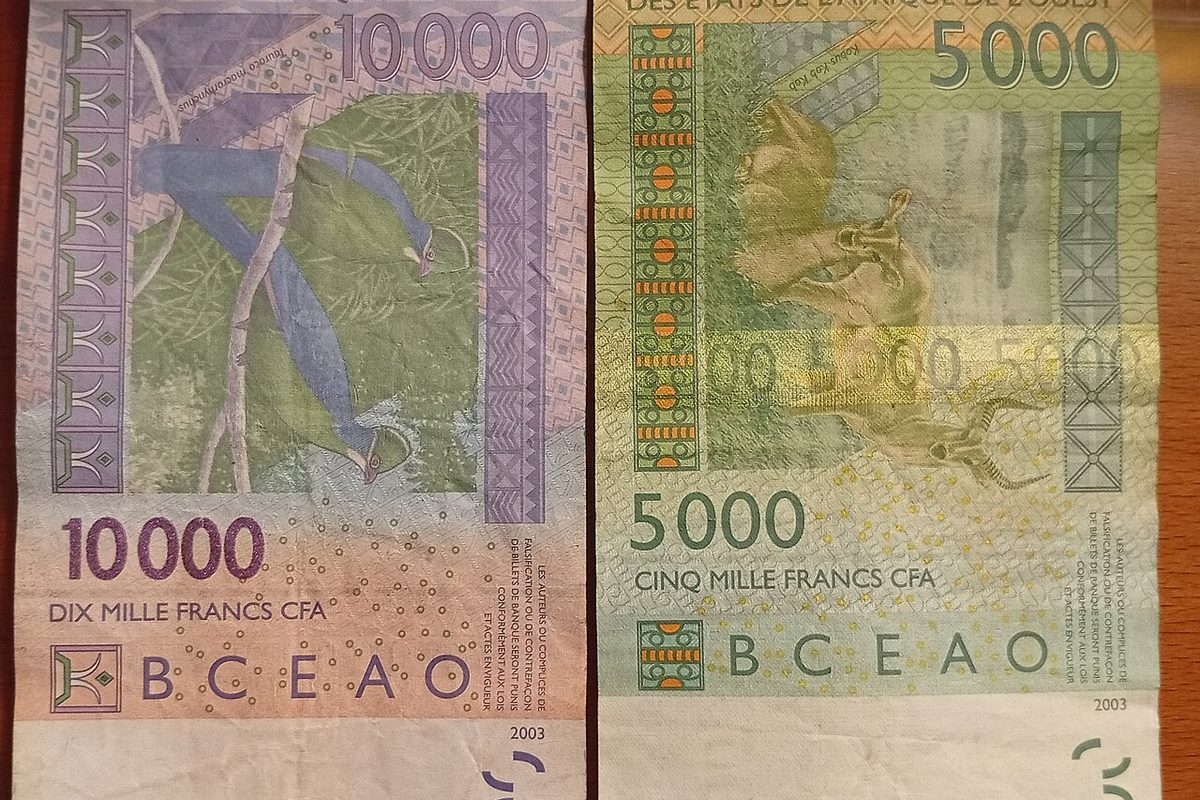
How to choose the best banks in Dakar: neighbourhoods, required documents, real fee ranges in FCFA, mobile money and seasonal tips for newcomers and the diaspora.
Best Banks in Dakar: A Practical Guide
Picking the best bank in Dakar has less to do with a global group's ranking than with three very concrete things: whether there is a branch in the neighbourhood where you actually live, how dense the ATM network is around you, and what the fee schedule really says when you sit down to sign.
The banking landscape in brief
Senegal belongs to the WAEMU monetary union. The currency is the CFA franc (XOF), pegged to the euro at a fixed rate (1 EUR = 655.957 FCFA), and supervision comes from the BCEAO, the regional central bank. Around thirty institutions share the market, and they fall into four broad families:
- Large pan-African groups — the widest branch and ATM networks, decent mobile apps, and a good fit if you travel within West Africa.
- Subsidiaries of French or Moroccan groups — usually the most comfortable with international transfers and foreign-currency accounts.
- Senegalese and state-linked banks — strong presence in residential neighbourhoods and in the regions.
- Islamic banks and microfinance or savings mutuals — useful for interest-free financing, small traders and small loans.
Where to look, neighbourhood by neighbourhood
- Plateau: the historic business district. Head offices, corporate branches, foreign exchange desks and safe deposit boxes. This is where complex files get handled — loans, estates, company accounts — but lunchtime and end-of-month queues are long.
- Almadies and Ngor: branches used to expatriates and the diaspora, ATMs that reliably accept foreign cards, and sometimes extended hours.
- Point E, Mermoz and Sacré-Cœur: a high density of everyday retail branches, convenient for individuals and self-employed professionals.
- Ouakam and Yoff: a fast-growing network, with many ATMs attached to petrol stations and supermarkets.
To compare which institutions are present near you, the money and banking category in the SeneFinder directory is a good starting point, as is the Dakar city page.
Opening an account: what you will be asked for
Bring a passport or national ID card, proof of address (an electricity or water bill, or a residence certificate), passport photos, and depending on your situation an employment contract, an employer letter, or a business registration and NINEA tax number if you are self-employed. Newcomers are often asked for a consular card or residence permit; some branches will accept a signed lease instead of a utility bill.
Expect 48 hours to two weeks between filing the application and collecting your card, longer if a chequebook has to be printed. The initial deposit usually falls between 25,000 and 100,000 FCFA, more for so-called premium packages.
Fees to check before signing
Typical ranges seen in Dakar — always confirm against the printed fee brochure, which branches are required to display:
- Personal account maintenance: 1,500 to 7,500 FCFA per month
- Regional GIM-UEMOA card: 10,000 to 20,000 FCFA per year
- Standard international card: 25,000 to 45,000 FCFA per year; gold tier: 60,000 to 150,000 FCFA
- Withdrawal at another bank's ATM: 500 to 1,500 FCFA
- Withdrawal with a foreign card: 2,500 to 5,000 FCFA, with a common cap of 200,000 to 400,000 FCFA per transaction
- Outgoing international transfer: 5,000 to 25,000 FCFA, plus the exchange commission
- Issuing account details or a bank certificate: 2,000 to 10,000 FCFA
Worth knowing: the BCEAO mandates a list of banking services that must be free, including opening and closing an account, the monthly statement, and over-the-counter withdrawals at your own bank. If you are charged for one of them, ask for the regulatory reference.
Mobile money is the real competitor
In Dakar, a large share of everyday payments runs through mobile wallets rather than cards. Sending fees sit near 1 percent with the most aggressive operators, with free cash-out at agents, while other schedules run higher. The most efficient setup is hybrid: a bank account for salary, savings and international transfers, and a mobile wallet for rent, taxis, utility bills and family transfers. Check whether your bank lets you top up the wallet from its app — not all of them do it for free.
The calendar matters
ATMs run dry quickly before Tabaski, Korité and the Magal of Touba, in the last few days of the month when salaries land, and in mid-December when the diaspora comes home. Withdraw two or three days ahead and always keep some cash: many taxis, neighbourhood shops and markets do not take cards. During the rainy season, roughly July to October, a heavy downpour can cut power to a whole neighbourhood and take the ATMs with it, so never rely on a single withdrawal point.
Diaspora and newcomers
If you regularly receive money from abroad, ask four precise questions: can I open a foreign-currency account in euros or dollars? how long does an incoming transfer really take to clear? what exchange commission applies? and does this branch handle incoming cash transfers? Always compare the total cost — fees plus the exchange rate applied — rather than the headline commission alone.
In practice
Visit two or three branches in the neighbourhood where you will actually live, ask for the paper fee brochure, test the mobile app before you commit, and confirm there is an ATM within a ten-minute walk. Those details shape daily life far more than the size of the banking group behind the sign.