
Best Daycares and Nurseries in Dakar
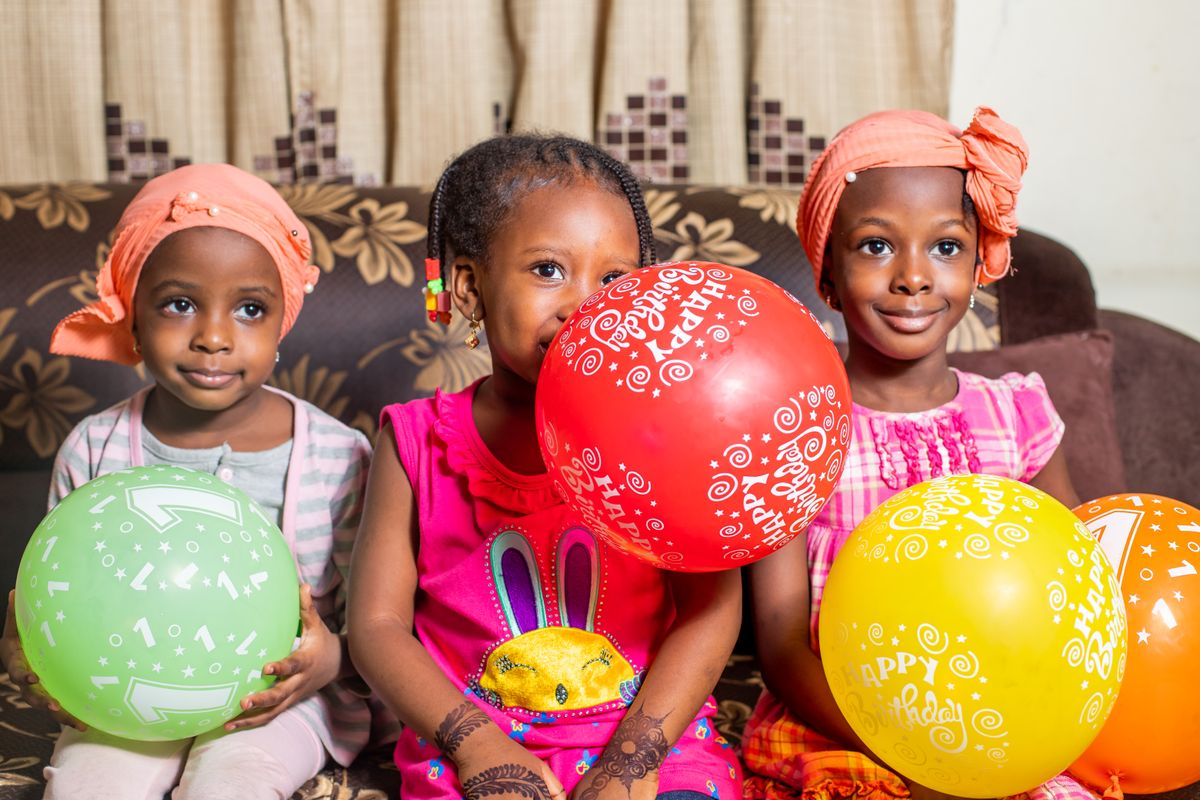
A practical guide to the best daycares and nurseries in Dakar: neighborhoods, realistic FCFA price ranges, safety checks, enrollment timing, and tips for expat and diaspora families settling in.
Best Daycares and Nurseries in Dakar: A Complete Guide
Finding childcare is usually the first real emergency for a family settling in Dakar — whether you're arriving from abroad, moving from another region of Senegal, or returning from the diaspora. There are plenty of options, but quality varies sharply by neighborhood, and the strongest nurseries fill their infant rooms months ahead. Here's what to know before you start visiting.
The four kinds of childcare you'll find
- Private crèche: takes infants (often from 3 months or 1 year), runs roughly 7:30am–5:30pm, employs staff trained in early childhood, and sometimes keeps a nurse on site.
- Neighborhood garderie: smaller and more informal, frequently run out of a family home. Affordable, community-rooted, less structured.
- Pre-school attached to a school: worth considering if you plan to continue in a French, English, or Senegalese curriculum — the continuity spares you a second search in two years.
- In-home nanny ("tata"): extremely common and usually found by word of mouth. Not a nursery, but many families combine both — crèche in the morning, nanny in the afternoon.
Neighborhood by neighborhood
Almadies and Ngor hold the most international options: bilingual programs, small groups, secured gardens, occasionally a pool. They're also the priciest. Ouakam and Mermoz strike the best value balance, with several solid nurseries serving a mixed Senegalese and foreign clientele. Point E and Fann are popular with professional and academic families — well-established places, often close to workplaces. Plateau works if you work there, but parking and street noise are genuine drawbacks. Yoff offers gentler rates and a real neighborhood feel, though it sits near the airport and some roads flood during the rainy season.
The golden rule in Dakar: choose for the commute, not just the facility. Almadies to Plateau at rush hour easily takes 45 to 75 minutes. An excellent nursery that runs against your daily route becomes unsustainable within a month.
What it costs
Prices swing widely. Typical ranges:
- Neighborhood garderie: roughly 25,000–60,000 FCFA per month.
- Mid-range private crèche (Ouakam, Mermoz, Yoff, Sacré-Cœur): roughly 75,000–150,000 FCFA per month.
- Premium or bilingual nursery (Almadies, Ngor, Point E): roughly 150,000–350,000 FCFA per month, sometimes more.
- Annual registration fee: often 50,000–250,000 FCFA, non-refundable.
- Meals, snacks, and diapers: frequently billed separately, 15,000–50,000 FCFA per month.
- Extended care past 5:30pm: charged hourly or as a package — budget for it.
Always ask for the all-in cost across twelve months, summer included. Many nurseries close in August but still bill part of that period.
What to check on a visit
- Staff-to-child ratio: ideally one adult per 4–6 infants, one per 8–10 toddlers.
- Cooling and ventilation: from May to October, heat and humidity are hard on small children. Ask whether there's a generator for power cuts.
- Drinking water and food handling: on-site kitchen or caterer, and how the cold chain is managed.
- Mosquito protection: screens on windows and over nap cots, especially in the rainy season when malaria peaks.
- Emergency protocol: partner clinic, transport authorization, at least one staff member trained in first aid.
- Physical security: controlled gate, a written pickup-authorization list, guarded stairs and pool.
- Working language: French, Wolof, English, or a mix. Many children end up trilingual, but make it a deliberate choice rather than an accident.
Timing and paperwork
The school year follows the French rhythm: term starts in early October, with breaks aligned to local and religious holidays (Tabaski, Korité, Magal, Christmas, Easter). Start inquiring in March or April for an October start — infant places go first. Mid-year entry is still possible, particularly in January and after the Easter break.
Prepare the standard file: birth certificate, up-to-date vaccination record (BCG, polio, measles, yellow fever depending on where you've lived), passport photos, parents' ID, and contact details for two authorized pickup people.
Practical advice for newcomers
Visit at least three places, and go late morning, when children are mid-activity. The noise level and how staff speak to the children will tell you more than any brochure. Ask to talk with two current parents. Negotiate a gradual settling-in week — it's standard practice and usually free. And be wary of prices quoted only verbally: ask for the written fee schedule before you pay anything.
One cultural note worth internalizing: Senegalese childcare tends to be warm, physical, and communal — lots of holding, lots of shared play, and less emphasis on rigid individual schedules than some newcomers expect. That's a strength, not a gap. If you need a strict nap or feeding routine, say so explicitly at enrollment rather than assuming it's the default.
To compare children's services near you, browse the Kids category on the SeneFinder directory, or explore everything listed in Dakar to map your options by neighborhood.