
Best Gyms in Dakar: A Practical Guide
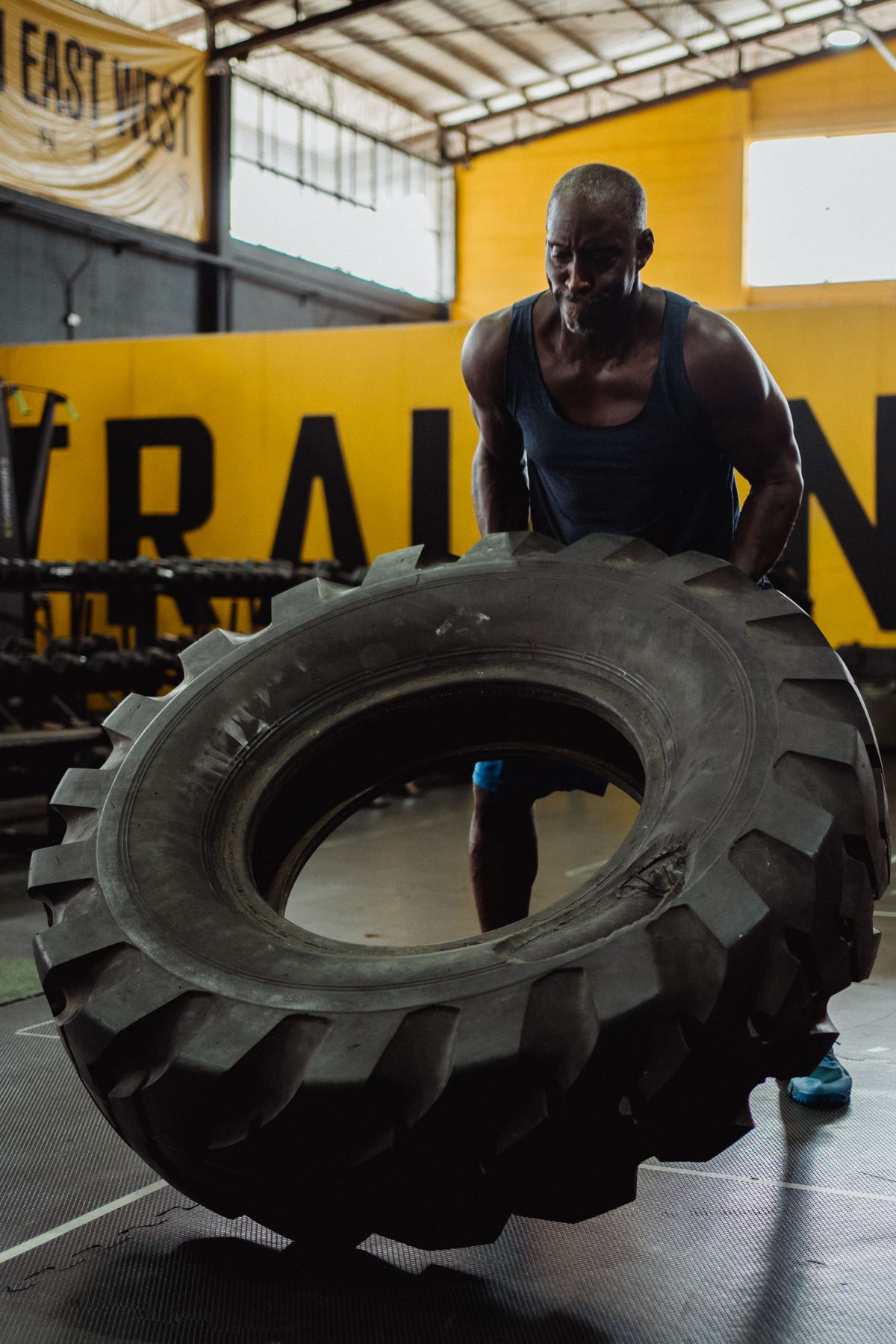
How to pick among the best gyms in Dakar: neighbourhoods, realistic FCFA prices, equipment, opening hours and practical tips for residents, newcomers and the diaspora.
The Best Gyms in Dakar: What You Need to Know
Dakar's fitness scene has grown quickly. Between the well-equipped clubs of Almadies, the neighbourhood gyms of Mermoz and Ouakam, the yoga and pilates studios around Point E, and the city's thriving outdoor training culture along the Corniche, almost every format now exists. The challenge is knowing where to look and what to pay.
The geography of fitness in Dakar
Almadies and Ngor hold the city's most complete facilities: modern weight floors, group classes (spinning, body pump, HIIT), and sometimes a pool, sauna or physiotherapy room. This is also where you'll meet the most expats and visiting diaspora members. Prices here are the highest in Dakar.
Plateau serves the working crowd: compact gyms on the ground floors of office buildings, packed between 12pm and 2pm and again after 6pm. Ideal if you work in the administrative or business district, less convenient if you have to drive in at rush hour.
Point E, Mermoz and Sacré-Cœur generally offer the best value. You'll find mid-sized gyms, often run by experienced Senegalese coaches, with a mixed crowd of residents, students and families. Many add boxing, fitness classes or African dance to the schedule.
Ouakam and Yoff cover everyday neighbourhood needs: smaller spaces, occasionally older but functional equipment, a distinctly local atmosphere and affordable rates. Yoff has the added advantage of the beach for running.
What it costs in FCFA
The ranges below reflect the current Dakar market:
- Single session (day pass): 2,000 to 7,000 FCFA depending on the venue.
- Monthly membership, neighbourhood gym: 15,000 to 25,000 FCFA.
- Monthly membership, mid-range gym (Point E, Mermoz, Plateau): 25,000 to 45,000 FCFA.
- Monthly membership, upmarket club (Almadies, hotel gyms): 50,000 to 120,000 FCFA, sometimes more with pool access.
- Annual contract: usually priced like 8 to 10 months, a 20–30% saving.
- Personal training: 10,000 to 25,000 FCFA per session, cheaper in packs of ten.
- Joining fee: 10,000 to 30,000 FCFA, frequently waived during New Year or back-to-school promotions.
Always ask whether the membership can be frozen or transferred. That matters if you travel for work, spend a few weeks back in Europe or North America, or train differently during Ramadan.
What to check before you sign
- Air conditioning and ventilation. This is the number one criterion in Dakar. From July to October, the rainy season makes humidity punishing, and a poorly ventilated room becomes unusable.
- Power reliability. Ask whether there's a generator or inverter. An outage mid-session on a hot evening, with no lights and no AC, happens more often than you'd expect.
- Actual opening hours. Many gyms open around 6am and close around 10pm on weekdays, with shorter hours on Friday afternoons (prayer time) and Sundays. Confirm before committing.
- Crowding. Visit at the exact time you plan to train. Between 6pm and 8pm, weight floors in central gyms are saturated.
- Changing rooms and hot water. Not every gym provides them, particularly in neighbourhood venues.
- Women's provision. Several gyms offer women-only hours or a dedicated area. If that matters to you, ask directly rather than assuming.
Free and outdoor alternatives
The Corniche Ouest is effectively the city's largest gym: running, calisthenics on public bars, and informal group sessions in the late afternoon, all free. Plenty of Dakarois combine a modest gym membership with two outdoor sessions a week. The beaches at Ngor and Yoff host early-morning training groups, and Senegal's wrestling tradition has left genuine strength-and-conditioning expertise in several clubs around the city.
To browse sports, beauty and wellness venues listed across Senegal, see the beauty and wellness category on SeneFinder, or browse every listing in Dakar.
Advice for newcomers and the diaspora
If you're in town for two to four weeks, choose day passes or a one-month membership with no joining fee rather than a long contract. Negotiate — in Dakar, advertised rates are often flexible, especially if you pay several months upfront or sign up with a friend or family member. Bring cash or use mobile money, which still dominate; not every gym accepts bank cards.
A few practical habits help. Train early, before 8am, if you want space and cooler air, particularly during the hot, humid stretch from July through October. Bring your own towel and a large bottle of water, since not all venues sell drinks. If you're used to a specific training style — Olympic lifting, powerlifting, CrossFit-type conditioning — ask about the equipment before paying, because bumper plates, platforms and racks are far from universal.
Finally, factor in travel time. An excellent gym 35 minutes away in rush-hour traffic will eventually stop being visited. The best gym in Dakar is almost always the one you can realistically reach four times a week.