
Opening a restaurant in Dakar: practical tips
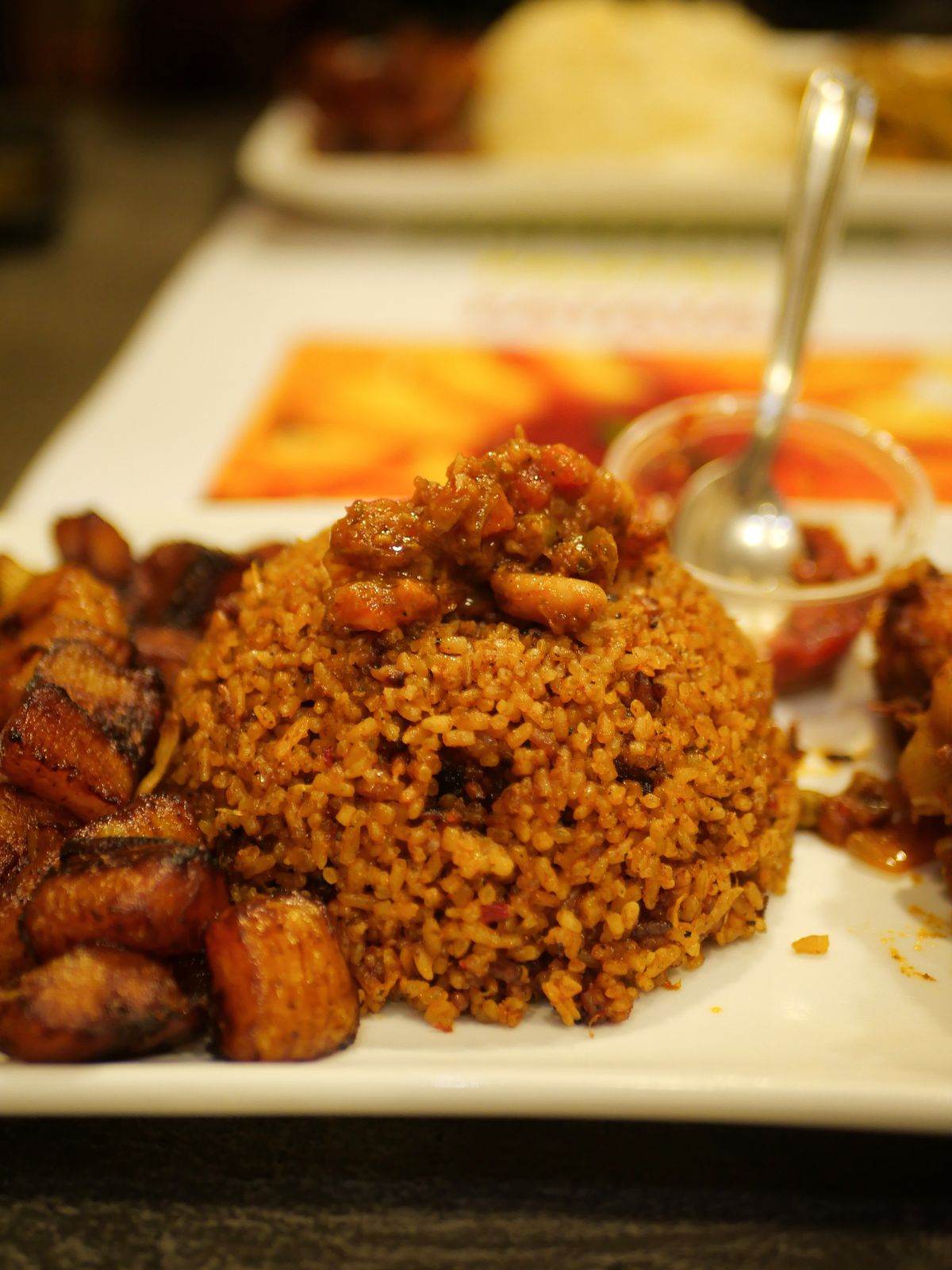
Location, concept, official business formalities, hygiene, suppliers, staff, pricing and delivery: the key steps to open a restaurant in Dakar and get it noticed.
Opening a restaurant in Dakar: practical tips
Opening a restaurant in Dakar starts with the right location, a clear concept and daily discipline. Demand is strong, from office lunches in the Plateau to weekend family dinners, but so is competition. Here are the general steps to follow.
Pick your location and concept
Your neighborhood shapes your customers, your hours and your prices. Before signing a lease, watch foot traffic at different times.
- Plateau and Point E: office workers at lunchtime, quieter evenings and Sundays.
- Almadies, Ngor and Mermoz: expats, visiting diaspora and professionals expecting a nice setting and good service.
- Sacré-Cœur, Liberté 6 and Ouakam: families and young workers, a good fit for quality Senegalese dishes, grills and fast food.
- Parcelles Assainies, Pikine, Guédiawaye, Keur Massar: dense neighborhoods, tight budgets and high volumes, where local delivery works well.
- Rufisque and Diamniadio: growing areas with construction crews, government offices and university campuses to serve.
Sum up your concept in one sentence: thieboudienne and yassa of the day, burgers, Lebanese food, pastries, brunch. A vague concept means a long menu and waste.
Business formalities: use the official one-stop shops
Do not rely on fees or timelines shared on social media. Registering your business (sole proprietorship, SARL, SUARL) goes through the APIX one-stop shop, which will tell you which documents are required and the current fees. For everything else, such as activity permits, taxes and registering staff, check directly with the relevant authorities and your local town hall. Our guide on how to start a business in Senegal covers the main steps.
Hygiene, suppliers and staff
Hygiene protects your reputation. Cold chain, safe water, keeping raw and cooked food apart, covered bins and handwashing: train everyone from day one. Budget for a generator or an inverter for your cold storage, because a power cut in the hot season can wipe out your stock. Ask the hygiene authorities which inspections apply to you.
Suppliers: Kermel and Sandaga markets for fresh produce in the city center, Castors and Tilène for vegetables and spices, and the fishing beaches of Soumbédioune, Ouakam or Yoff for fish early in the morning. Keep at least two suppliers for each key ingredient and carry cash, as FCFA notes are still king at the markets even if Wave and Orange Money are spreading fast.
Staff: a good cook and a reliable floor manager matter more than fancy decor. Write clear contracts and train your team.
Price your dishes and set up delivery
Work out the ingredient cost of each dish, then add rent, wages, electricity and gas. As a general benchmark, a daily special often sells for 1,500 to 3,500 FCFA in working class areas, while a main course in an upscale restaurant in Almadies or Point E is more likely 5,000 to 12,000 FCFA. Review prices when rice, oil or onion costs move, especially during the lean season or around Tabaski.
For delivery, start simple: orders on WhatsApp, trusted motorbike riders, delivery zones and fees set in advance, and payment on delivery in cash or mobile money. In the dining room, accepting Visa cards helps with foreign customers in tourist areas, but always keep change on hand.
Get your restaurant noticed
- Create your SeneFinder listing: you can list your business for free on SeneFinder with your neighborhood, type of cuisine and payment methods.
- Keep your Google Maps listing up to date with real photos of your dishes and storefront.
- Instagram, TikTok and Facebook: short kitchen videos, the daily special posted every morning, WhatsApp statuses.
- Customer feedback: ask for it politely, reply respectfully and fix what needs fixing.
For more ideas, read our local marketing tips for small businesses in Dakar, and look at the restaurants already listed in the Dakar directory.
Recommended addresses on SeneFinder
- Restaurants in Dakar on SeneFinder: browse up-to-date listings by neighborhood and type of cuisine.
You can also see all addresses in this category or explore the Dakar directory. Know a great spot that is missing? Feel free to recommend an address.
Useful tools
- List your business: create your restaurant's listing.
- Recommend an address: flag a place missing from the directory.
- Practical guide: emergency numbers, transport and useful info.
Frequently asked questions
Where can I find out about the steps to open a restaurant in Dakar?
The APIX one-stop shop is the starting point for registering your business. For food service permits and hygiene rules, contact the official authorities and your local town hall directly.
Which neighborhood is best for a restaurant in Dakar?
It depends on your concept. Plateau and Point E suit lunchtime trade, Almadies and Ngor suit a more upscale offer, and Parcelles Assainies, Pikine or Keur Massar suit affordable, high volume formulas.
How do I promote a new restaurant in Dakar?
Combine a SeneFinder listing, an up-to-date Google Maps listing, regular social media posts and word of mouth. Ask your customers for feedback and use it to improve.