
Malaria in Senegal: prevention basics
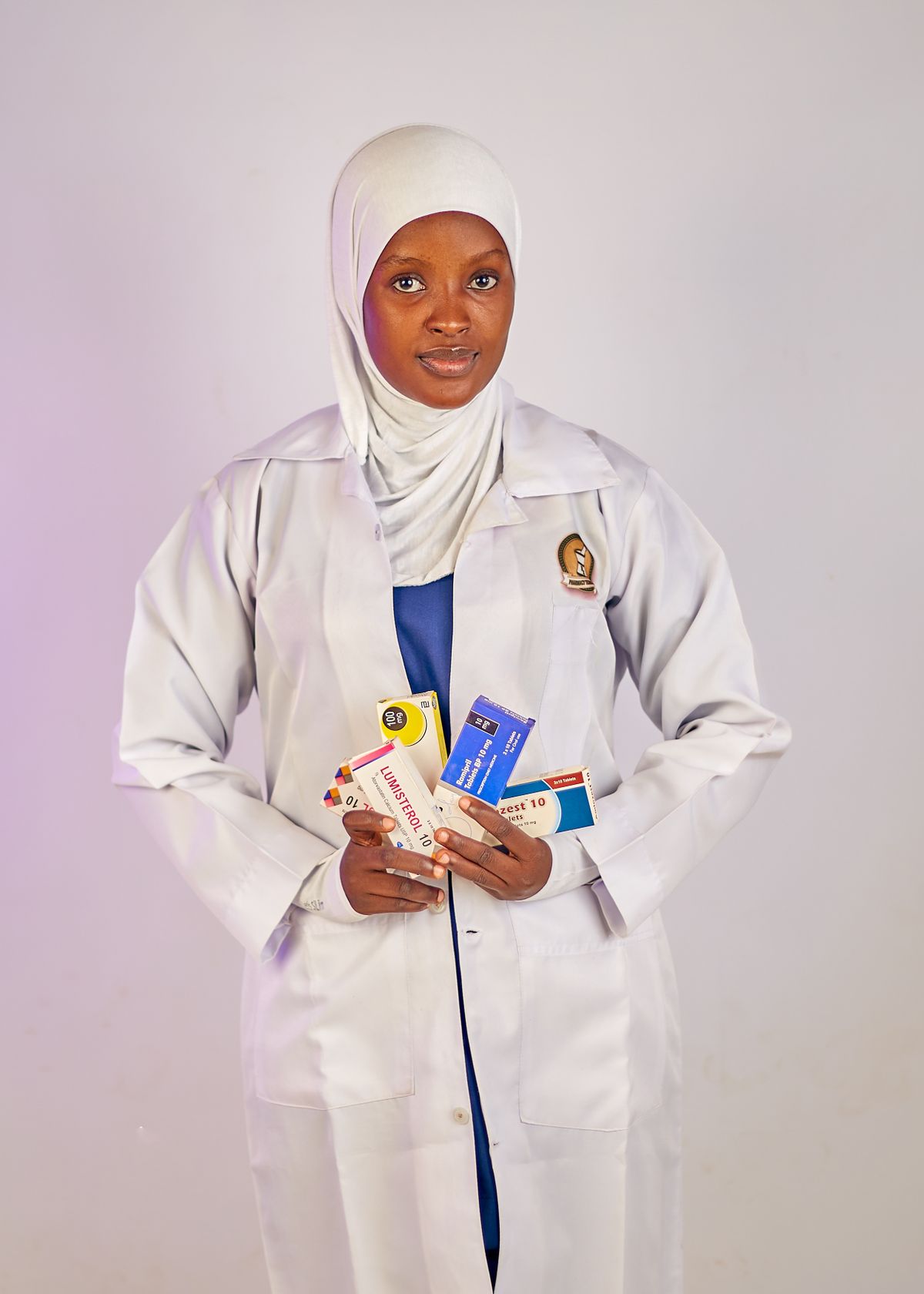
Bed nets, repellents, the rainy season and warning signs: the essentials of malaria prevention in Dakar, with practical benchmarks and useful health addresses.
Malaria in Senegal: prevention basics
Malaria is spread by a mosquito that bites mainly at night, from dusk to dawn. In Dakar the risk is real but lower than in the south of the country, and it rises during and just after the rainy season. Prevention itself is simple and affordable. This article is informational only; for any treatment or personal advice, consult a healthcare professional.
Know the risky season
Dakar's rainy season, the hivernage, runs roughly from July to October, peaking in August and September. Mosquitoes breed in standing water, so the risk does not stop with the last shower: it stays elevated for several weeks afterwards, often into November.
A few neighbourhood pointers:
- Low-lying or poorly drained areas such as Pikine, Guediawaye, Keur Massar and parts of Parcelles Assainies hold puddles long after the rain.
- Along the coast, breezy districts like Ngor, Almadies and Yoff get some relief from the sea wind, though mosquitoes are still around.
- In Plateau, Point E, Mermoz, Sacre-Coeur or Liberte 6, your exposure depends mostly on the housing itself: watered gardens, air conditioning, screens on the windows.
- Building sites and empty plots, common towards Diamniadio and Rufisque, create temporary water pools where larvae thrive.
A useful habit at the end of the rains: walk around the house and empty buckets, plant saucers, tyres, tarpaulins and blocked gutters.
Night protection starts with a bed net
An insecticide-treated bed net is still the best value protection, because it covers exactly the hours when the mosquito bites.
- Pick a long-lasting treated net sized for your bed, and tuck it under the mattress.
- Check it for tears: a hole the size of a finger is enough to cancel the benefit.
- Expect roughly 3,000 to 10,000 FCFA for a bed net, more for framed or canopy models.
- For windows, fitted mesh or an adhesive screen curtain usually costs a few thousand FCFA per metre.
Fans and air conditioning help too: moving air and cooler rooms disturb mosquito flight. They complement the net rather than replace it.
Repellents, clothing and evenings outdoors
On a terrace, at a wedding or by the sea after sunset, skin protection takes over.
- Apply repellent to exposed skin, reapplying as the label indicates, and always over sunscreen.
- Wear long sleeves and light-coloured trousers in the evening; ankles and feet are favourite targets.
- Room sprays and plug-in diffusers help, especially in bedrooms without air conditioning.
- A bottle of repellent commonly runs between 3,000 and 12,000 FCFA in a pharmacy.
- For pregnant women and young children, do not pick a product at random: ask a pharmacist or a doctor.
If you are travelling in from abroad, or coming home for the holidays, discuss preventive medication with a doctor before you leave. The right choice depends on your health, the length of the stay and the regions you plan to visit.
Symptoms: when to seek care straight away
Malaria does not always look the way people expect. Typical signs are fever, chills, headache, aching muscles, and sometimes nausea, stomach pain or heavy fatigue. In a child it may show up only as fever, refusing food or unusual drowsiness.
One simple, safe rule: any fever during or after a stay in a malaria area should lead to a prompt medical consultation, without waiting to see if it passes. A rapid diagnostic test takes only minutes at a health facility, and only a professional can confirm the cause and decide what comes next. Never reuse medication left over from a previous episode.
Warning signs such as confusion, seizures, repeated vomiting, difficulty breathing or being unable to drink are an emergency: call the SAMU on 1515, the fire service on 18 or the police on 17. A fever after returning home should also be reported to your doctor, even weeks later.
Recommended addresses on SeneFinder
- Clinique Croix Bleue : Castors
To compare other health facilities in Dakar, see all addresses.
Useful tools
- Practical guide: emergency numbers and everyday information.
- Route planner: estimate travel time to a health centre.
- Best clinics in Dakar: how to choose where to be seen.
- Health insurance in Senegal: what coverage means for a consultation.
Frequently asked questions
Is there malaria in Dakar?
Yes, transmission occurs in the Dakar region, generally at a lower level than in southern and eastern Senegal. The risk increases during the rainy season and the weeks that follow.
Do I need preventive medication for a short trip?
It depends on your health profile, the season and the regions you visit. That decision belongs to a doctor, so consult a healthcare professional before travelling.
What should I do if I get a fever after a stay in Senegal?
Seek medical care quickly and mention that you have returned from a malaria area, even if the trip was weeks ago. If warning signs appear, call the SAMU on 1515.