
Tyres, batteries and car parts in Dakar: a guide
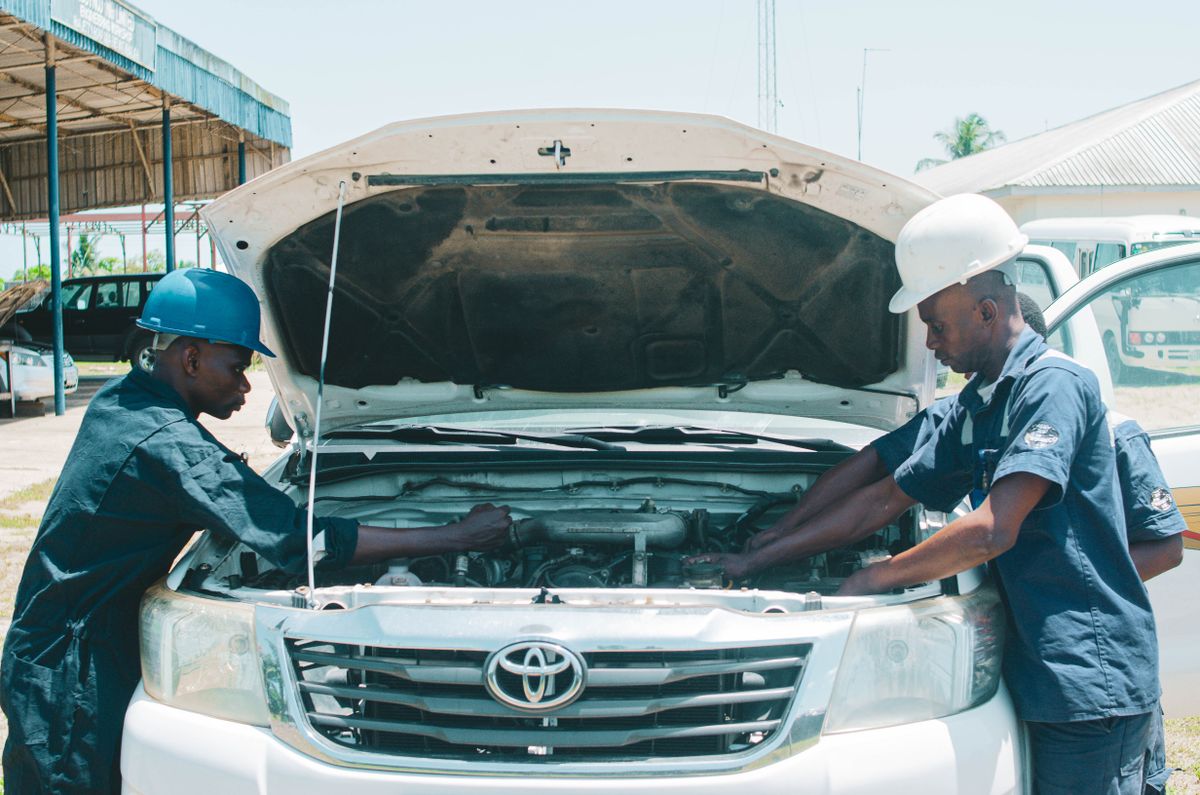
Heat-worn batteries, new or used tyres, compatibility checks, counterfeits and garage fitting: everything you need to buy tyres, batteries and car parts in Dakar without nasty surprises.
Tyres, batteries and car parts in Dakar: a practical guide
Heat, sand and potholed roads wear out tyres and batteries faster in Dakar than in cooler climates. The good news is that tyres, batteries and car parts in Dakar are easy to find, new or used. Just check compatibility, avoid counterfeits and have a garage do the fitting.
How the heat affects your battery and tyres
Heat shortens battery life more than anything else. From April to October, with the air conditioning running nonstop, a tired battery often dies without warning, whether you are parked in Yoff at dawn or stuck in Plateau traffic at rush hour. Expect around two to three years of service, sometimes less.
- Warning signs: slow cranking, headlights dimming at idle, white crust on the terminals.
- Rough budget: 35,000 to 60,000 FCFA for a small car battery, 70,000 to 150,000 FCFA for an SUV or diesel pick-up.
Tyres suffer too. Scorching tarmac, sand around Almadies and Ngor, and potholes after the rainy season all speed up wear. Check pressure cold, in the morning, at least once a month: an underinflated tyre runs hotter and can blow out on the VDN or the toll motorway towards Diamniadio.
- Rough budget: 30,000 to 60,000 FCFA per new tyre for a compact car, 60,000 to 120,000 FCFA for a 4x4.
New or used: where to save and where not to
Dakar has a busy second-hand market, much of it imported from Europe. It can save you real money, but not on everything.
- Buy new: brake pads and discs, tyres, batteries, timing belts and filters.
- Used is fine for: mirrors, headlights, body panels, alloy wheels, or an alternator or starter tested in front of you.
A used tyre can look like it has plenty of tread and still be too old, because sun exposure hardens and cracks the rubber. Read the DOT code on the sidewall, which gives the week and year of manufacture, and skip anything older than five or six years.
Check compatibility before you pay
Many cars on Senegalese roads are imports, and engine variants differ depending on the country they came from. Before buying:
- Bring your registration document or a photo of the chassis number (VIN).
- Take the old part with you when you can, to compare sizes and connectors.
- For tyres, note the exact size on the sidewall plus the load and speed ratings.
- For batteries, check capacity, cold cranking amps, terminal position and case size.
Spotting counterfeit parts
Fake branded parts do circulate, especially filters, brake pads and spark plugs. A few habits help:
- Be wary of a price far below what other sellers ask for the same brand.
- Inspect the packaging: blurry printing, spelling mistakes, or no barcode or hologram are red flags.
- Always ask for an invoice and a written warranty, particularly on batteries.
- Favour established shops over street sellers, whether you are in Liberté 6, Sacré-Cœur, Pikine or Rufisque.
Fitting and everyday maintenance
A good part badly fitted is money wasted. For tyres, insist on wheel balancing and, if the car pulls to one side, an alignment check. For a new battery, ask the mechanic to test the alternator: a fresh battery that keeps going flat usually points to another fault. You can browse car parts dealers and garages listed in Dakar, from Mermoz to Keur Massar.
Simple habits go a long way: park in the shade when you can, keep the battery terminals clean, rotate tyres roughly every ten thousand kilometres and inspect them after the rains. If you live abroad and the car sits idle for months between visits, disconnect the battery or ask a relative to run the engine regularly.
Recommended addresses on SeneFinder
- SAKA SENEGAL : Dakar, automotive business.
- AUTOSHOP ... vente pièces & accessoires automobile de toute marque : Dakar, car parts and accessories shop.
- Pièces auto Sénégal : Dakar, car parts shop.
For more options, see all addresses in this category or explore the Dakar directory.
Useful tools
- Route planner.
- FCFA currency converter.
- Practical guide and emergency numbers in case of breakdown or accident (police 17, fire brigade 18).
- Further reading: our pick of the best garages in Dakar and our oil change and car maintenance tips.
Frequently asked questions
How long does a car battery last in Dakar?
With the heat and constant air conditioning, a battery usually lasts two to three years.
Is it safe to buy used tyres?
It can be, if the DOT code shows the tyre is under five or six years old, the tread is still deep and there are no bulges or cracks. For daily motorway driving, new tyres remain the safer choice.
How can I be sure a part fits my car?
Show the seller your registration document or chassis number and bring the old part if possible. The garage doing the fitting can also confirm the reference before you buy.