
Traditional Senegalese Restaurants in Dakar: Guide
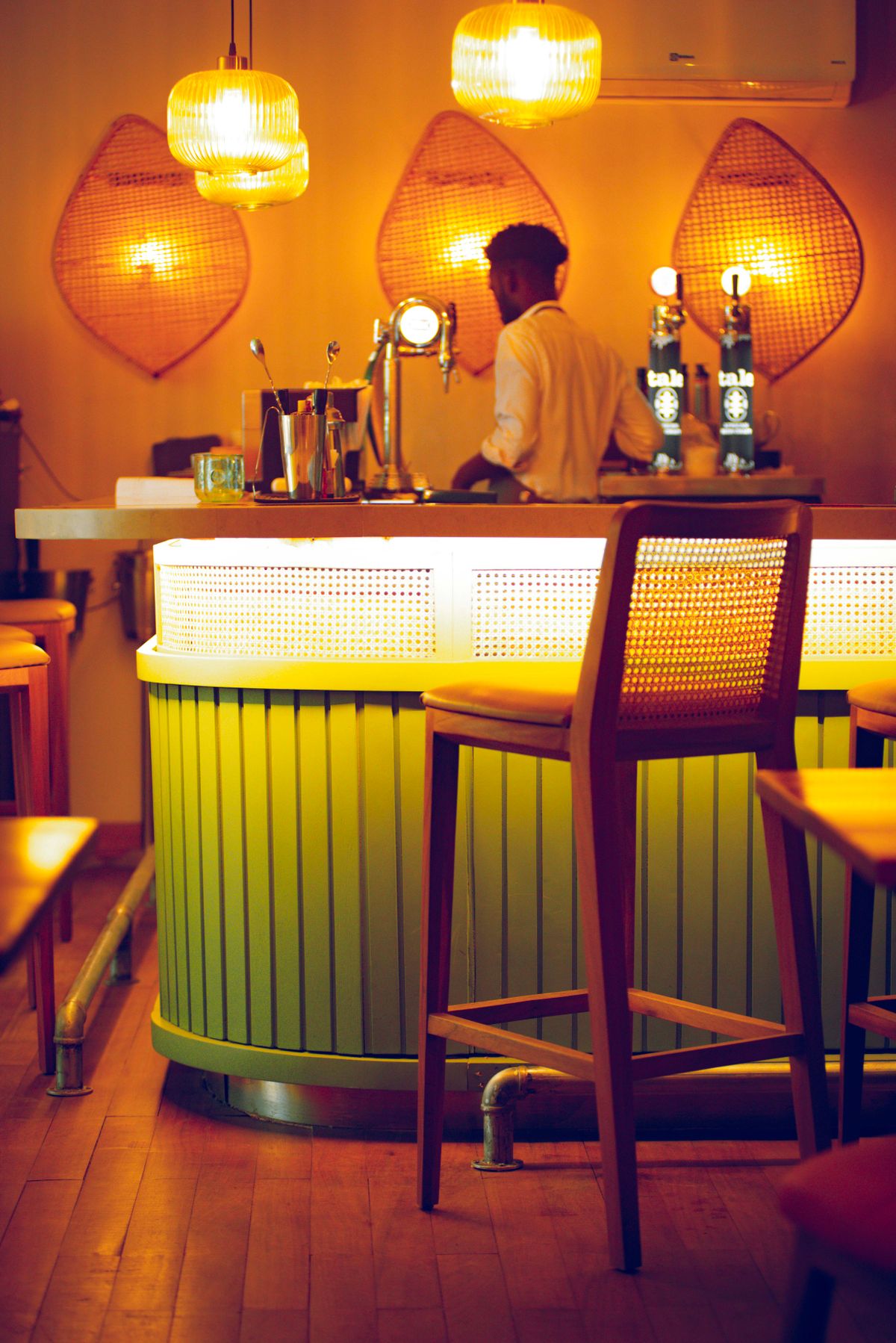
Where to eat real thieboudienne, yassa, mafe or thiou in Dakar: neighborhoods, budgets, lunch timing and practical tips to find genuine teranga hospitality, from Plateau to Almadies.
Traditional Senegalese Restaurants in Dakar
In Dakar, real Senegalese cooking happens at lunchtime, in a shared dish, around something that has been simmering since early morning. Whether you are visiting, coming home from the diaspora or settling in, the trick is knowing which dish to look for, on which day, and in which neighborhood. Here is how to find a proper thieboudienne, a sharp yassa, a rich mafe or a well built thiou.
The dishes to know before you order
Most traditional kitchens work around a handful of staples, usually on a weekly rhythm rather than a full à la carte menu.
- Thieboudienne: the national dish, rice cooked in fish and vegetable broth. The red version, with tomato concentrate, is the most common; the white one is milder. Ask for xoon, the caramelized rice scraped from the bottom of the pot. It is the best part.
- Yassa: chicken or fish marinated in lime and buried under slow cooked onions, with a hint of mustard. Served with plain rice.
- Mafe: a peanut stew with beef or lamb, sweet potato, cassava and cabbage. Filling, comforting, a true family dish.
- Thiou: a simmered tomato sauce with meat or fish and plenty of vegetables. Lighter than mafe.
- Also worth trying: soupou kandia with okra and palm oil, domoda, caldou for milder palates, and grilled dibi lamb in the evening.
Many places serve a single dish of the day. Thieboudienne dominates the start of the week, while yassa and mafe come back around midweek and toward the weekend.
Neighborhood by neighborhood
There is no single Senegalese food district in Dakar. There are several, each with its own mood.
- Plateau: office lunch territory. Around Avenue Pompidou and Sandaga, tables fill up between noon and three in the afternoon, then empty out. Fast service, moderate prices.
- Point E and Sacré-Cœur: residential and student areas, with calmer venues, often mixing Senegalese and international menus. Good for an unhurried weekday meal.
- Almadies, Ngor and Ouakam: the ocean side. People eat later and pay more, often on a terrace, where grilled fish and sunsets come together.
- Mermoz and Liberté 6: a solid middle ground for families, between local markets and neighborhood canteens.
- Yoff and the fishing villages: the catch comes straight off the pirogues. For thieboudienne made with thiof or sardinella, the freshness is obvious on the first bite.
- Parcelles Assainies, Pikine, Guédiawaye, Keur Massar, Rufisque: everyday cooking at its most generous, with small eateries where a full plate costs very little.
What it costs
General ranges, independent of any specific venue, are fairly stable across the city.
- Neighborhood canteen: roughly 1,500 to 3,000 FCFA for the dish of the day, often served in a communal dish.
- Sit down neighborhood restaurant with table service: 4,000 to 8,000 FCFA per person.
- Upscale table or sea view terrace in Almadies or Ngor: 12,000 to 30,000 FCFA and up, especially with whole fish or seafood.
- Fresh bissap, baobab or ginger juice: a few hundred FCFA. During Ramadan, the ndogou breaking of the fast reshapes serving hours entirely.
Many smaller spots are cash only. Carry small notes, and keep a mobile payment option as backup.
Teranga: the codes that change the meal
Teranga is not a marketing word, it is a way of receiving guests. A few simple habits make the experience far better.
- Come early for lunch. When the pot is finished, it is finished; nothing is cooked twice.
- If you eat by hand from the shared dish, use your right hand only, and stay within the section of rice in front of you. The host pushes the best pieces toward guests.
- Greet before ordering. A simple salamalekoum or nanga def opens every door.
- Meals take time. Leave a wide margin if you have an appointment afterwards, especially during rush hour on the VDN or the corniche.
- Say up front how you feel about chili and bones: fish is usually served whole.
Recommended addresses on SeneFinder
- Alkimia : Almadies, restaurant
- Beluga : Plateau, restaurant
- Casa Teranga : Almadies, restaurant
- Chez Fatou : Dakar, restaurant
- Exotik Beach : Almadies, restaurant
- Ge'eza : Point E, restaurant
To widen the search by neighborhood and cuisine type, you can see all addresses listed in Dakar.
Useful tools
- Route planner: plan trips between Plateau, Mermoz and Almadies.
- FCFA currency converter: useful for estimating a meal budget from euros or dollars.
- Practical guide: transport, emergency numbers and the essentials for new arrivals.
- Further reading: the best restaurants in Dakar and Lebanese food in Dakar.
Frequently asked questions
When is the best time to eat thieboudienne in Dakar?
Lunch, ideally between noon and two in the afternoon. Thieboudienne is cooked in large batches in the morning and service stops once the pot is empty.
Do I need a reservation at a traditional Senegalese restaurant?
At neighborhood canteens, no: you sit down and eat whatever is ready. For terraces in Almadies or Ngor, booking is advisable on weekends and in the evening.
Is Senegalese food suitable for vegetarians?
Main dishes are built around fish or meat, but rice with vegetables, niebe black eyed peas, cassava and sweet potato sides are widely available. Mention it when ordering, most kitchens will adapt without fuss.