
Cleaning Services in Dakar: A Practical Guide
Prices in FCFA, neighbourhoods, seasons and legal duties: what you need to know to find reliable cleaning services in Dakar, whether you hire directly or go through a company.
Cleaning Services in Dakar: A Practical Guide
Finding reliable cleaning services in Dakar rarely takes more than a few days, but prices and standards vary enormously from one neighbourhood to the next. Here is what to know before you commit, whether you have just moved to Senegal, belong to the diaspora and manage an apartment from abroad, or already have a cleaner and want to put the arrangement on a firmer footing.
Two very different markets
Hiring directly. This is the dominant model. A household helper works at your place for a few half-days a week or full time. Recruitment happens by word of mouth: the building caretaker, neighbours, colleagues. You become the employer, with all the obligations that come with it.
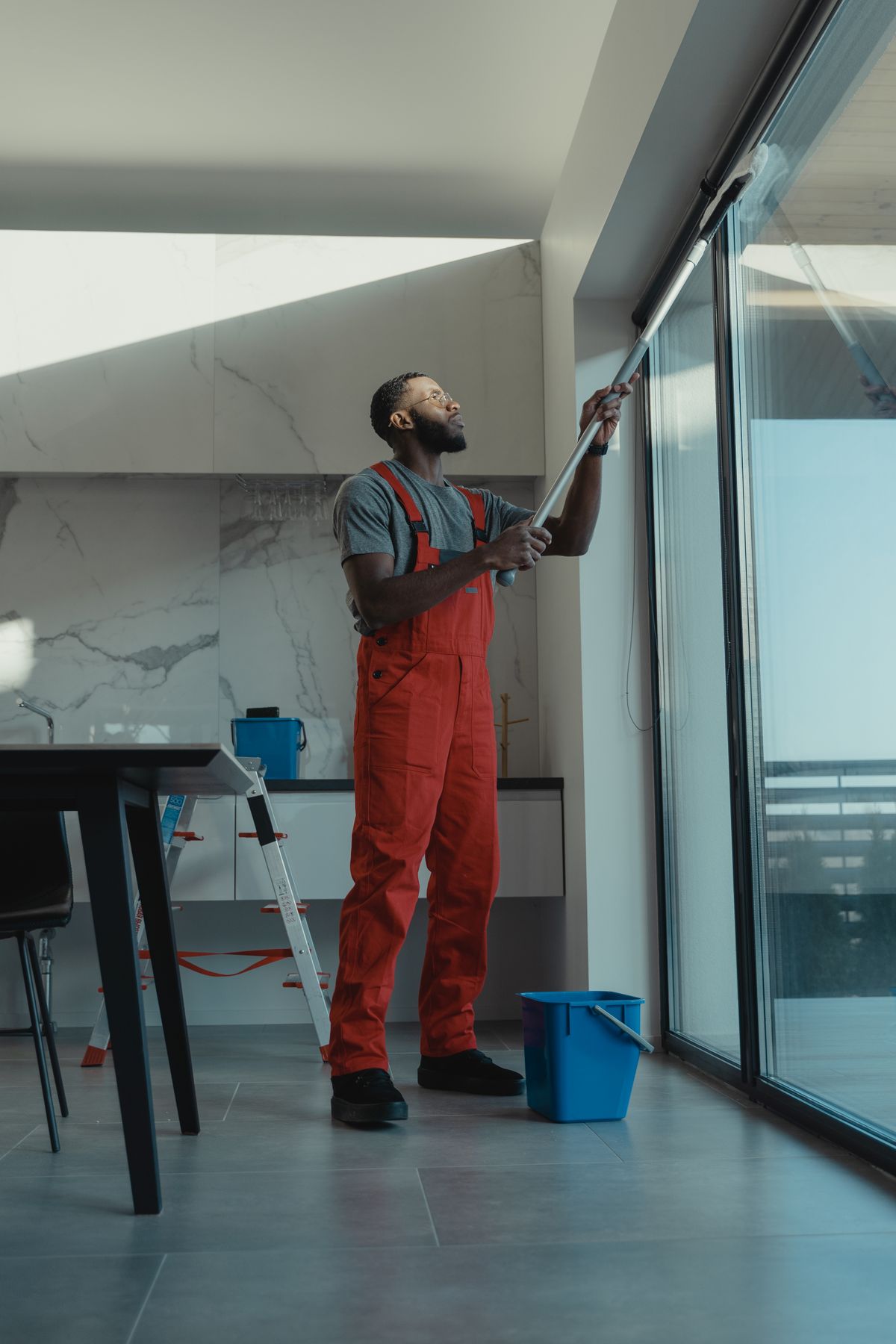
Cleaning companies. These are formal businesses with professional equipment such as floor polishers, spray extractors and telescopic poles for windows. They quote per job and focus on deep cleans, post-construction work, offices in Plateau and villas in Almadies. You pay more, but you get an invoice, insurance and a replacement worker if someone is off sick.
Realistic price ranges
Typical figures in Dakar, always to be confirmed by written quote:
- Hourly rate, direct hire: 1,500 – 3,000 FCFA
- Half day of four hours: 7,000 – 12,000 FCFA
- Full day: 12,000 – 25,000 FCFA
- Full-time monthly salary: 75,000 – 150,000 FCFA, higher in Almadies, Ngor and Fann for an experienced, English-speaking or live-in helper
- Deep clean of a two-bedroom flat by a company: 40,000 – 90,000 FCFA
- Villa deep clean: 100,000 – 250,000 FCFA
- Post-construction cleaning: 1,500 – 3,500 FCFA per square metre
- Shampooing a three-seat sofa: 15,000 – 35,000 FCFA; carpet: 2,000 – 4,000 FCFA per square metre
- Water tank cleaning: 25,000 – 75,000 FCFA
- Office contract with daily visits: from 100,000 – 150,000 FCFA a month for a small floor
Senegal's minimum wage sets the legal floor: below roughly 60,000 FCFA a month for full-time work, you are outside the law.
What the climate dictates
The Dakar calendar shapes the cleaning rhythm far more than it would in Europe or North America.
- December to March brings harmattan dust and construction sand that settle on everything. In Ouakam, Mermoz and Sacré-Cœur, plan on dusting surfaces several times a week and washing mosquito screens monthly.
- July to October, the rainy season, means humidity, mould in bathrooms, behind furniture and inside wardrobes, and a surge in insects. This is when an anti-mould treatment and pest control, around 25,000 – 60,000 FCFA, earn their keep.
- All year near the ocean — Ngor, Yoff, Almadies, Mamelles — salt air attacks windows, taps and aluminium frames. Glass cleaning comes round far more often there than in Point E or Plateau.
- Before religious holidays, demand spikes. In the run-up to Korité and Tabaski many workers travel to their home regions and companies are fully booked. Reserve two to three weeks ahead.
Hiring well
- Ask for a copy of the national ID card and at least two references you actually phone.
- Agree a paid one-month trial with a written task list: floors, dishes, laundry, ironing, windows, kitchen. Say clearly whether cooking or childcare is included; those are separate jobs, paid separately.
- Discuss transport. A daily round trip from Pikine, Guédiawaye or Keur Massar costs 1,000 – 2,000 FCFA and is normally negotiated on top of the wage, especially if you live away from a BRT or TER line.
- Put it in writing: a contract, registration with the social security fund and IPRES, paid leave of two working days per month, and payslips. It is a legal requirement and your best protection if a dispute ever arises.
- Pay by Wave or Orange Money rather than cash; the payment record prevents most misunderstandings.
Practical details people forget
Water cuts are still common on some streets, so keep jerricans or a reserve tank filled to avoid losing half a working day. Buy the products yourself, at a supermarket or in bulk at Castors or Sandaga market: it costs less and you control the quality. For a short-let apartment, insist on photographic handover notes after every clean. And if you manage the property from abroad, appoint someone locally to sign off the work; building caretakers often take on that role for a modest monthly allowance.
Compare before you book
Always request two or three written quotes setting out equipment, products and the number of cleaners. You can browse listed providers in the Services category or filter straight to Dakar to compare options close to your neighbourhood before booking a visit.