
Tailors in Pikine, Guediawaye and Parcelles
Having clothes tailor-made in Dakar's suburbs: choosing a workshop, taking measurements, planning ahead of Tabaski and estimating the budget.
Tailors in Pikine, Guediawaye and Parcelles
Having a boubou, an outfit for a ceremony or everyday clothes made to measure is still common practice in Pikine, Guediawaye and Parcelles Assainies, where tailors and seamstresses often work just a short walk from home. Between choosing the fabric, taking measurements and planning ahead of a festival, a few simple pointers help avoid bad surprises.
Choosing a tailor or seamstress for the outfit you want
Some workshops are more at ease with traditional cuts (boubou, grand boubou, an outfit for Tabaski or Korite), while others focus more on modern cuts or western-style clothes. Before handing over fabric, it is worth asking to see a few recent pieces, or getting a workshop recommended by someone who was happy with a similar order.
Taking measurements and preparing your order
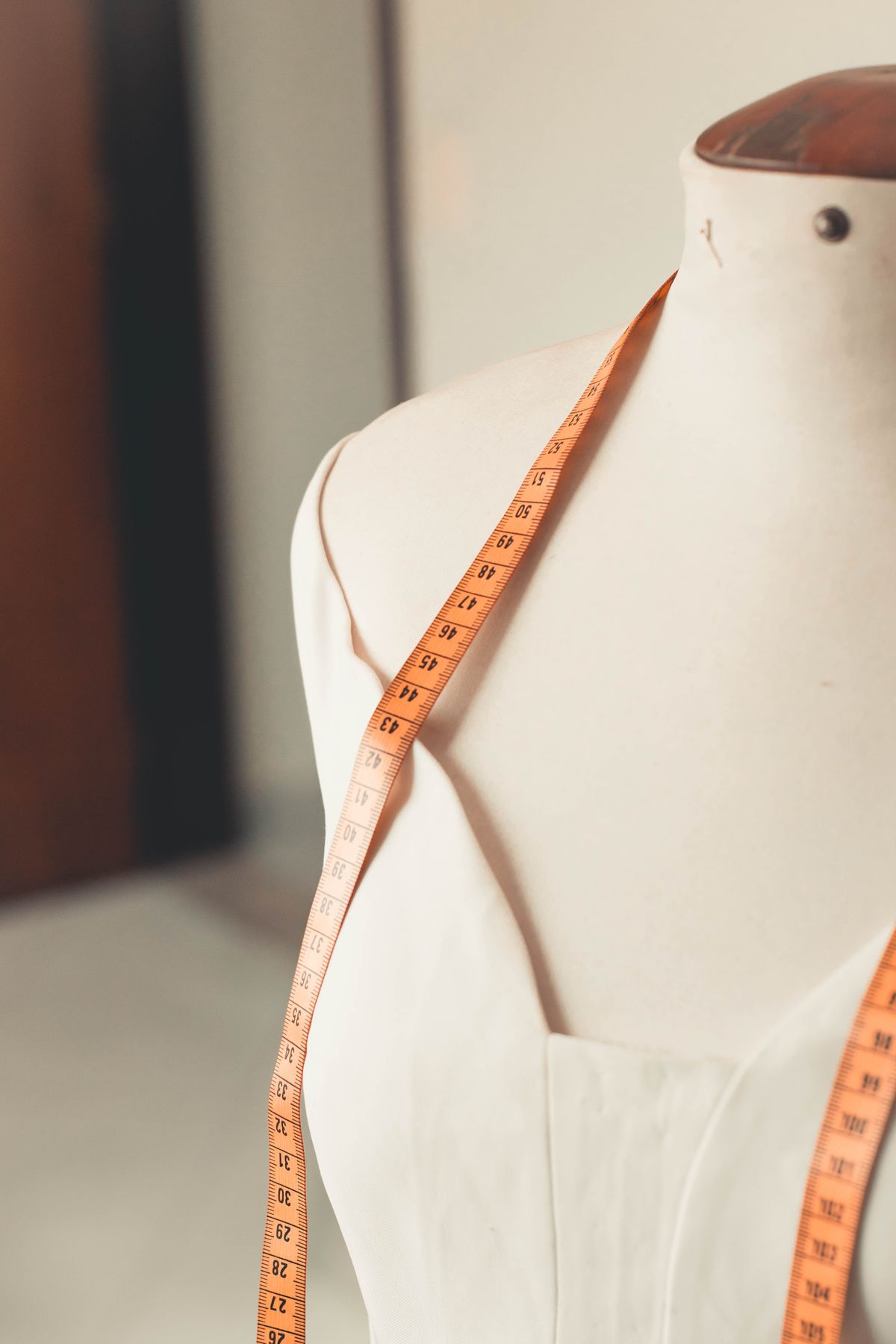
Accurate measurements are the foundation of a well-made outfit: chest, waist and hip size, sleeve length and the desired length of the garment all need to be taken carefully. For a first order with a new tailor, it is best to plan a fitting before the final touches, so any adjustment can be corrected if needed. Bringing a photo of a model or an old, well-cut garment also helps the workshop understand exactly what is expected.
Embroidery and finishing touches: timeframes to plan for
Embroidery, whether done by hand or machine, adds to the time needed, especially for ceremony outfits with elaborate patterns. The more detail a design has (embroidered collar, crossed finishing, lining), the longer the work takes. This should be factored in from the moment the order is placed, especially if the outfit is meant for a specific event.
Planning ahead of Tabaski and major festivals
As Tabaski, Korite or a wedding approaches, workshops receive many orders at once, which naturally stretches out delivery times. Ordering several weeks in advance, rather than the week before the festival, remains the best way to get your outfit on time and benefit from more careful work. The budget for an outfit varies a lot depending on the fabric chosen and the complexity of the design, roughly from a few thousand FCFA for simple tailoring to several tens of thousands for an elaborate ceremony outfit, not counting the fabric itself.
Recommended addresses on SeneFinder
- Confexlos: tailoring workshop in Dakar.
- Al makhtoum couture: tailoring workshop in Guediawaye.
- Gueye fashion: tailoring workshop in Dakar.
- MPro Conféction: clothing workshop in Dakar.
- Soya Couture: tailoring workshop in Dakar.
To widen the search, see all addresses in this category or explore the Dakar directory, including through the directory of tailors and seamstresses in Dakar.
Useful tools
- Currency converter to compare a price given in FCFA.
- Practical guide for useful information in Dakar and its suburbs.
- Looking for a workshop elsewhere in Dakar? Read our article on the best tailors in Dakar.
- Moving to Parcelles? Check our guide to Parcelles Assainies.
Frequently asked questions
How far ahead of Tabaski should you order your outfit?
Several weeks ahead, since workshops receive many orders as major festivals approach and delivery times stretch out quickly.
Should you plan a fitting before the order is finished?
It is strongly recommended, especially with a tailor you do not already know, so any adjustment can be corrected before the outfit is fully finished.
Does embroidery add much to the delivery time?
Yes, the more elaborate the pattern, the more time it takes; discuss this with the workshop when placing the order so you can agree on a realistic timeframe.