
Medical emergencies in Dakar: where to go
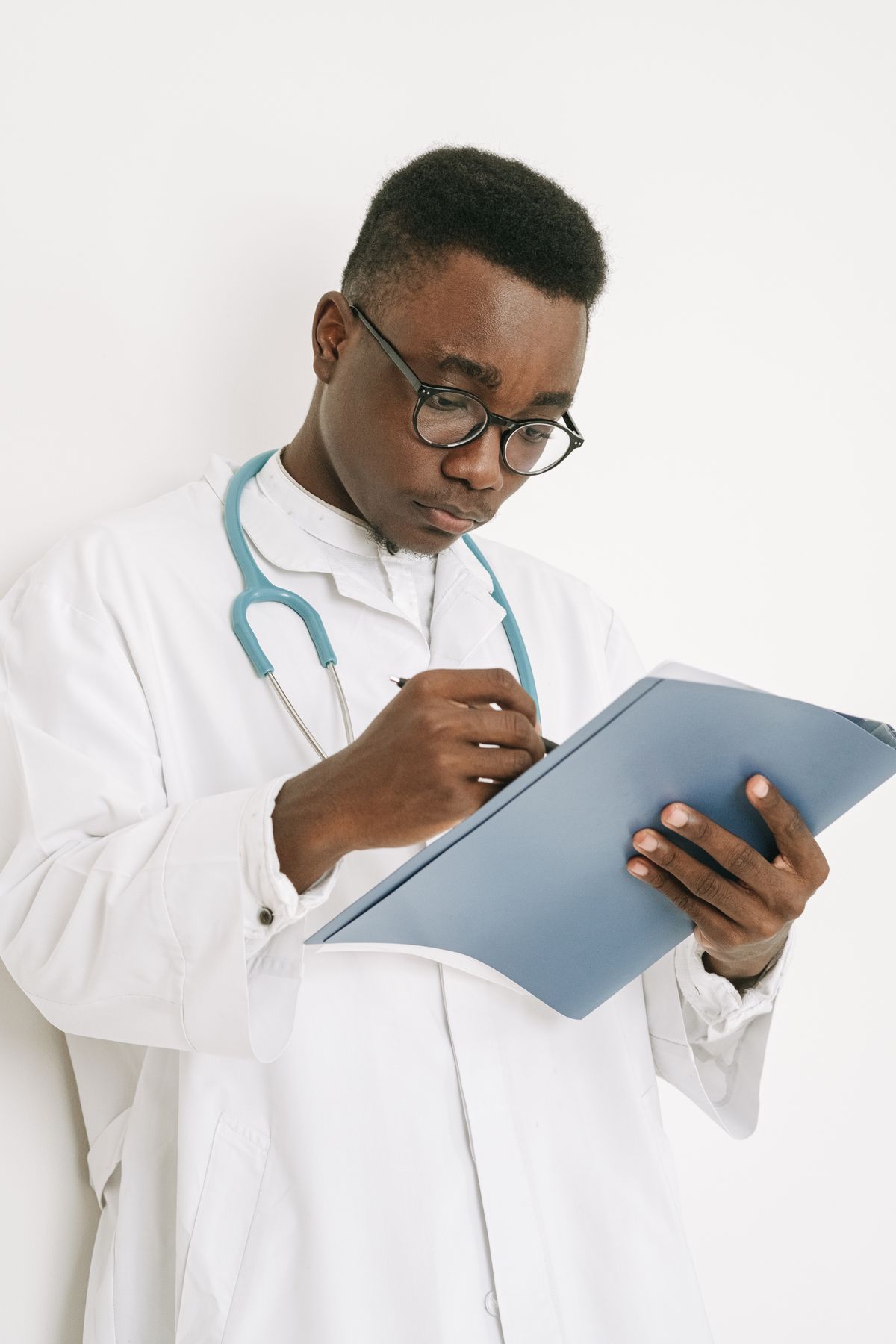
SAMU 1515, public emergency rooms or private clinics: how to react fast in Dakar, which service fits your neighbourhood, and what to take with you before leaving.
Medical emergencies in Dakar: where to go
In a medical emergency in Dakar, three reflexes matter: call the SAMU on 1515, the fire and rescue service on 18 or the police on 17, then head to the emergency department closest to you. This article is informational only. It tells you where to go and what to bring, never what condition you have or how to treat it. For any symptom, consult a healthcare professional.
Call for help or go yourself?
This decision is usually made in a panic, so keep a few markers in mind:
- Call 1515 if someone is unconscious, struggling to breathe, bleeding heavily, showing signs of a stroke, or has been in a road accident. The SAMU can advise by phone and dispatch a team.
- Call 18 for fires, road accidents, drowning incidents on the beaches of Ngor, Yoff or Malika, or any difficult rescue.
- Call 17 for assaults, accidents involving a dispute, or when a scene needs to be secured.
- Travel yourself when the situation allows waiting. At rush hour, a taxi often moves faster than an ambulance stuck on the VDN or the motorway.
One thing newcomers rarely know: private ambulances exist but are billed, often between 25,000 and 75,000 FCFA depending on distance and the level of medical equipment on board. Ask for the price before confirming.
Public emergency rooms or private clinics
Public hospitals are the only facilities in Dakar with heavy technical capacity for intensive care, severe trauma, burns and emergency surgery. They are clustered around the Plateau, Fann, Patte d'Oie and Grand Yoff. For anything life threatening, go there without hesitating. The trade off is waiting time, which stretches when several emergencies arrive at once.
Private clinics are concentrated in the Almadies, Mermoz, Point E, Sacré-Cœur, Fann Hock and around the Castors area. They suit what medics call relative emergencies: high fever, suspected malaria, a wound needing stitches, a known asthma flare, a dehydrated child, a sprain. You are usually seen faster, but an emergency consultation commonly falls between 15,000 and 40,000 FCFA before tests, and an overnight stay often exceeds 60,000 FCFA.
If you live in the suburbs, in Pikine, Guédiawaye, Keur Massar or Rufisque, factor travel time into the decision. Reaching the city centre at peak hours can take over an hour, so a nearby health centre that stabilises and then refers is frequently the better first stop.
What to bring with you
Pack a folder once and keep it within reach:
- ID or passport, including one for the person you are accompanying.
- Insurance or mutuelle card, any coverage letter, or the name of your travel insurer if you are visiting.
- Cash in FCFA. Many facilities ask for a deposit before running tests, and card payment is not always available at night.
- A list of current medication, recent prescriptions, and children's vaccination records.
- Recent test results: blood work, X rays, discharge summaries, even as photos on your phone.
- A charged phone, a power bank, and the number of a relative who can be reached.
- Water and a light layer. Air conditioned waiting rooms get cold and waits can be long.
Diaspora visitors should add their international insurer's contact details and check whether prior approval is required before any hospital admission.
Common pitfalls and seasonal risks
Between July and November, after the rainy season, cases of malaria, dengue and gastroenteritis rise noticeably, Dakar included. Any fever after a trip upcountry should be shown quickly to a healthcare professional. During the dry, dusty months, asthma attacks and respiratory complaints become far more frequent.
Other pitfalls worth avoiding: trusting a diagnosis found online, stopping a treatment without medical advice, and moving from one facility to another without your medical file. Remember too that for a non urgent need at night, the on duty pharmacy in your area is often enough.
Recommended addresses on SeneFinder
- Clinique Croix Bleue : Castors
To compare other health facilities in Dakar, you can see all addresses.
Useful tools
- Route planner to estimate your journey before leaving.
- Practical guide with SOS numbers, transport and everyday information.
- Currency converter to understand FCFA amounts at a glance.
- Also worth reading: the best clinics in Dakar and health insurance in Senegal.
Frequently asked questions
Which number should I call in a medical emergency in Dakar?
Dial 1515 for the SAMU, 18 for the fire and rescue service, and 17 for the police. For a purely medical emergency, 1515 is the main entry point.
Do I have to pay before being treated?
Private facilities often request a deposit before tests are carried out. Carry cash in FCFA and your insurance documents to speed up the paperwork.
What if I have no health insurance in Senegal?
You will still be treated, but the costs will be yours to cover. Look into available mutuelles and coverage options in advance, and consult a healthcare professional for any follow up.