
Visit Casamance: A Practical Guide from Dakar
Everything you need to visit Casamance from Dakar: seasons, plane, ferry or sept-places, realistic FCFA budgets, village campements, pirogue island trips, and local etiquette.
Visit Casamance: A Practical Guide from Dakar
Casamance is Senegal's greenest region: rice paddies, forests, bolongs (mangrove-lined tidal creeks) and long stretches of soft sand. For a Dakar resident, a newcomer, or a diaspora visitor home for the holidays, it is the most striking domestic trip in the country. Here is how to plan it properly.
When to go
The dry season runs November to May, and the sweet spot is December through April: hot dry days, comfortable evenings, calm seas. Late December, early January and Easter week are peak season — Cap Skirring hotels and internal flights fill up weeks ahead and prices rise accordingly.
From July to October the rains arrive. The landscape is spectacular, prices drop, but downpours are heavy, humidity is draining, some tracks become difficult, and a share of the campements simply closes. Mosquitoes are also at their worst.
Three ways to get there
- By plane: domestic flights leave from AIBD airport in Diass (allow 1 to 1.5 hours' drive from Dakar, more from Plateau at rush hour) and reach Ziguinchor or Cap Skirring in about an hour. Budget 60,000 to 150,000 FCFA one way depending on season and how early you book. This is the comfortable option, especially with children or for a short break.
- By ferry: the boat leaves from the port of Dakar at Plateau and reaches Ziguinchor in roughly fifteen hours, usually two sailings a week. Reclining seats run about 15,000 to 20,000 FCFA, cabin berths more like 25,000 to 45,000 FCFA. Buy tickets several days ahead, arrive well before boarding closes, and carry ID. Sailing up the Casamance River at dawn is worth the trip on its own.
- By sept-places: shared bush taxis leave from Dakar's main garages, 10 to 14 hours via The Gambia (two border posts and a bridge) or the longer inland route through Tambacounda and Kolda. Expect 12,000 to 20,000 FCFA per seat plus luggage fees. Bring ID, small bills and water, and leave at first light.
Ziguinchor, the gateway
The regional capital sits on the river: shaded, unhurried, easy to navigate. Its central market, craft workshops and riverside maquis make it a natural base for day trips to Oussouye, Affiniam or Djilapao. Taxis around town cost 500 to 1,500 FCFA a ride, and moto-taxis less. To scan local guesthouses, agencies and service providers, start with the Ziguinchor listings on SeneFinder.
Cap Skirring, the islands and the villages
Cap Skirring holds the ocean beaches and most of the hotels: 30,000 to 90,000 FCFA a night for a hotel room, 10,000 to 25,000 FCFA for a village campement, breakfast often included. The nearby villages of Diembéring, Kabrousse and Boucotte give you the same coastline with far fewer people.
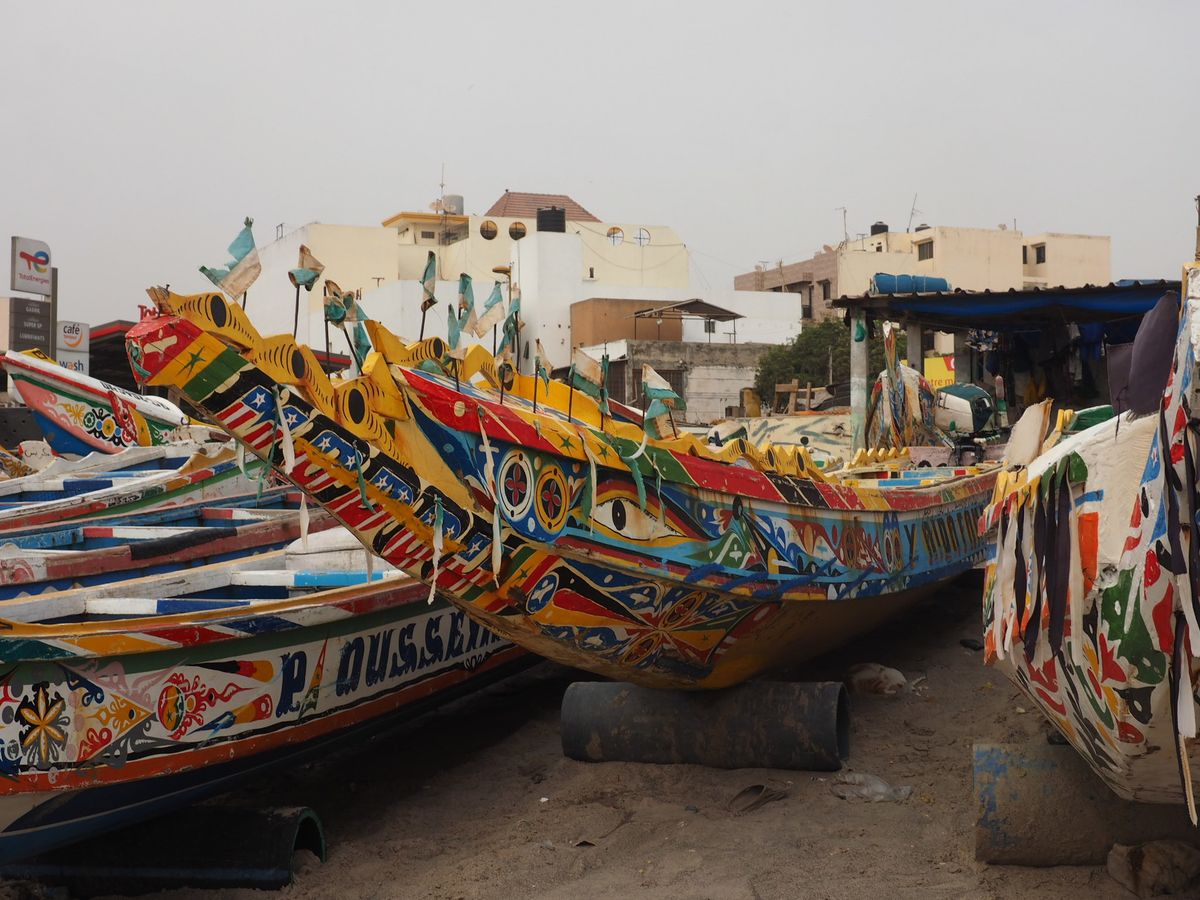
On the river side, Elinkine is the launch point for Carabane island, a former colonial trading post now a quiet village of baobabs and ruins. A pirogue outing through the bolongs is negotiated at roughly 15,000 to 40,000 FCFA depending on length and group size. Leave early, check that life jackets are on board, and plan around the tides — a low tide can strand a boat for hours.
Eating, paying, staying healthy
A plate at a local eatery costs 2,000 to 4,000 FCFA; a full meal at a campement 4,000 to 8,000 FCFA. Try Casamance rice, grilled fish, palm-oil sauces, and fresh bissap or baobab juice. ATMs exist in Ziguinchor and Cap Skirring, but travel with cash: villages have neither cards nor machines. Wave and Orange Money are accepted almost everywhere.
Casamance is a malaria zone. Prophylaxis, repellent and a mosquito net are not optional, and a basic first-aid kit plus bottled water will save you trouble.
Local etiquette
Diola culture centres on sacred groves and initiation rites. Never enter a sacred wood without being invited, and always ask before photographing a person, a ceremony or an impluvium house. Greet people properly before asking anything, learn a couple of words of Diola or Mandinka, and hire a village guide (10,000 to 20,000 FCFA a day). A guide is what turns a pretty landscape into an actual visit.
Planning from Dakar
Most travel agencies cluster in Plateau, Point E and the Almadies, while residents of Ngor, Ouakam, Yoff and Mermoz can reach AIBD by taxi for 15,000 to 30,000 FCFA depending on neighbourhood and traffic, or by shuttle. Book flights and rooms well ahead of the December and Easter holidays, and compare operators through the Travel & Tourism category on SeneFinder.
One week is a comfortable minimum: three days on the coast, two on the bolongs and in the villages, and enough margin to travel back without rushing.