
Visiting Gorée Island from Dakar
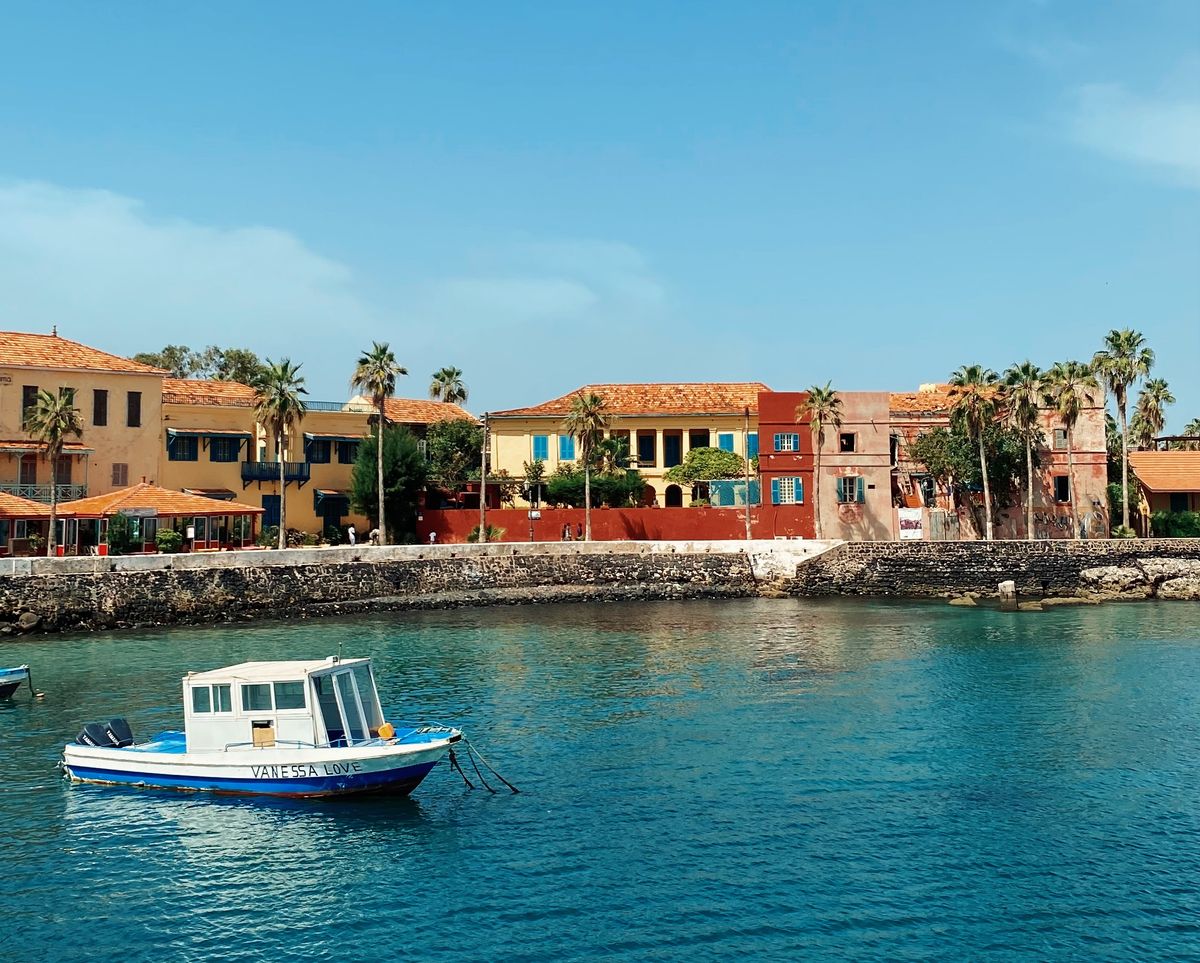
A practical guide to visiting Gorée Island: ferry from the port of Dakar, must-see sites, timing, price ranges in FCFA and visitor tips.
Visiting Gorée Island from Dakar
Just off the port of Dakar, Gorée Island is one of the most moving visits in Senegal. A UNESCO World Heritage Site, it blends the memory of the slave trade, colorful colonial architecture and a gentle, car-free way of life. Here is how to plan it.
How to get there
Gorée is reached only by ferry from the port of Dakar in Plateau. The crossing takes about 20 minutes. The ferry runs all day with regular rotations; check the departure times and the last return, especially at weekends when it gets busy.
The round-trip ticket carries a visitor rate (usually around 5,000 FCFA), well above the resident rate. Bring ID and arrive a little early for the queue.
What to see on the island
- The House of Slaves and its famous Door of No Return: an essential place of memory, with short guided visits.
- The Women's Museum and the Historical Museum (in Fort d'Estrées) to understand the island's history.
- The Castel, the highest point, for a panoramic view over the ocean and Dakar.
- The lanes and colonial houses with their ochre facades, bougainvillea and artists' studios.
- The beaches and small coves for a quiet break.
Allow half a day for the essentials, a full day to wander and have lunch on site.
Indicative price ranges
- Round-trip ferry: around 5,000 FCFA (visitor), far less for residents.
- Local guide: 3,000 to 10,000 FCFA depending on length and group.
- Museum entries: a few hundred up to 3,000 FCFA per site.
- Fish lunch at an island restaurant: 5,000 to 15,000 FCFA per person.
- Souvenirs and crafts: highly variable, bargain with a smile.
Visitor tips
- Bring cash: few shops on the island accept cards.
- Go in the morning to enjoy the cool air and avoid the Sunday crowds.
- Check the last ferry time so you are not stranded.
- Pack a hat, water and sunscreen; the island is explored on foot.
- Be respectful at the memorial sites; above all it is a place of remembrance.
Planning your visit
Many visitors combine Gorée with other outings around the capital. To prepare your stay, browse the travel and tourism category or find a transfer in the transport category. Since departure is from the Plateau port, providers in the city of Dakar are the most convenient.
Making the most of your visit
Gorée is inhabited: it is not just an open-air museum but a village where families live year-round. Keep a discreet manner, ask before photographing residents and support the local economy by buying crafts on site. Official guides offer real historical insight, especially at the House of Slaves; agree the fee before starting. Wear comfortable shoes, as the lanes are cobbled and the island is explored entirely on foot. If you travel with children, explain the memorial significance of the place beforehand: the visit will be all the richer and more respectful.
In short
Gorée is a short trip in distance but powerful in emotion. One ferry, a few hours on foot, and you step into an essential chapter of world history, in a peaceful and photogenic setting. It is one of the experiences not to miss on a stay in Dakar.