
Visiting Saint-Louis, Senegal: A Practical Guide
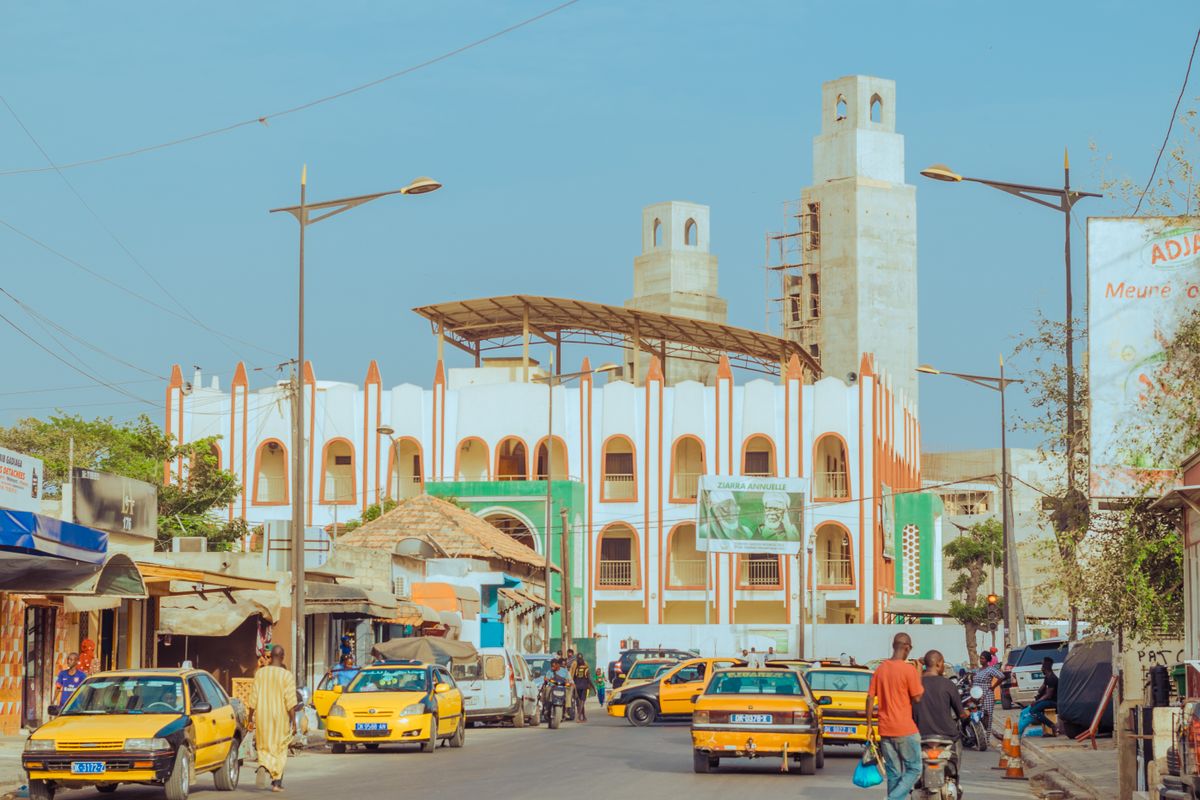
What you need to know before visiting Saint-Louis, Senegal: getting there from Dakar, the best season, FCFA budgets, where to stay, and what to see on the island, in Guet Ndar and at Djoudj.
Visiting Saint-Louis, Senegal: A Practical Guide
Once the capital of French West Africa, Saint-Louis — Ndar in Wolof — is still the most atmospheric city in Senegal. Learn its layout before you arrive and you will save yourself hours of pointless back-and-forth.
The city in three parts
- The island, the UNESCO-listed historic core, a grid of ochre houses with wooden balconies, linked to the mainland by the Faidherbe Bridge.
- The Langue de Barbarie, a thin sand spit between the Senegal River and the Atlantic, home to the Guet Ndar fishing quarter — one of the most densely populated in West Africa — and, further south, the Hydrobase hotel strip.
- Sor, the mainland city: the bus station, the markets, the hospital, residential districts and the road to Gaston Berger University.
Almost everything a visitor wants sits on the island and the spit, walkable or reachable by horse-drawn cart.
Getting there from Dakar
It is 260 km, which means 4.5 to 6 hours depending on how long it takes to clear the capital.
- Sept-places (shared taxis) from the Baux Maraîchers station in Pikine: FCFA 5,000–8,000. They leave when full, so go early.
- Air-conditioned private minibus lines: FCFA 7,000–12,000, fixed morning departures, worth booking a day ahead in high season.
- Car with driver: FCFA 45,000–90,000 per day plus fuel.
- Domestic flights run intermittently — confirm before building a schedule around one.
If you are staying in Almadies, Ngor, Yoff, Ouakam or Mermoz, leave before 7 a.m.; from Plateau or Point E, add time to reach the toll road. The standard route runs through Thiès and Louga on the N2.
When to go
- November to February is the sweet spot: 25–30 °C days, cool 15–18 °C nights, steady trade winds. Bring a light jacket — the river wind bites after dark.
- March to June: dry and increasingly hot, with harmattan spells that haze the sky with dust.
- July to October: the rainy season. The north sees little rain, but downpours are heavy when they come, humidity rises and mosquitoes multiply.
The Saint-Louis Jazz Festival (late May or early June, depending on the year) and the Fanal lantern parade around the year-end holidays both push prices up and fill rooms weeks in advance.
Where to stay, and what it costs
- Guesthouse, homestay or small hotel in Sor: FCFA 12,000–25,000 per night.
- Restored colonial house on the island: FCFA 30,000–60,000, often with a courtyard and roof terrace.
- Beachfront hotel near the Hydrobase or on the spit: FCFA 55,000–120,000.
Add 20–40 % during the festival. For a longer stay or a move, a furnished monthly rental typically negotiates to FCFA 100,000–250,000, depending on the neighbourhood and the season.
What is actually worth doing
- Walk the island in late afternoon, when the light warms the façades, then cross the Faidherbe Bridge at sunset.
- Watch the pirogues come back in at Guet Ndar. Ask before photographing — people live there, it is not a set.
- Langue de Barbarie National Park: entry around FCFA 5,000–10,000, plus FCFA 15,000–30,000 for a pirogue trip for the group.
- Djoudj Bird Sanctuary, about 60 km away: the world's third-largest bird reserve, spectacular from November to April. Day trips run FCFA 25,000–60,000 per person depending on group size.
- Lompoul Desert, two hours south, for a night in a Mauritanian-style tent.
- Horse-cart tour: FCFA 2,000–5,000. City taxis: FCFA 500–1,500 per ride, slightly more out to the Hydrobase.
Eating
Saint-Louis claims to have invented thiéboudienne, the fish-and-rice national dish. Eat it at midday, the way locals do, and try yassa, grilled fish by the water and bissap or baobab juice. Budget FCFA 1,500–3,500 at a neighbourhood eatery and FCFA 6,000–15,000 at an island restaurant.
Practical notes
ATMs exist on the island and in Sor but go down on weekends, so carry cash. Mobile money is accepted almost everywhere, including by taxi drivers. A local data bundle runs FCFA 1,000–5,000. The city is calm, but currents along the Langue de Barbarie are genuinely dangerous — swim only where you are told it is safe. A few words of Wolof (nanga def, jërëjëf) go a long way, and French will cover the rest.
To plan ahead, browse local providers under travel and tourism or go straight to listings in Saint-Louis.