
Visiting the Sine-Saloum Delta: A Practical Guide
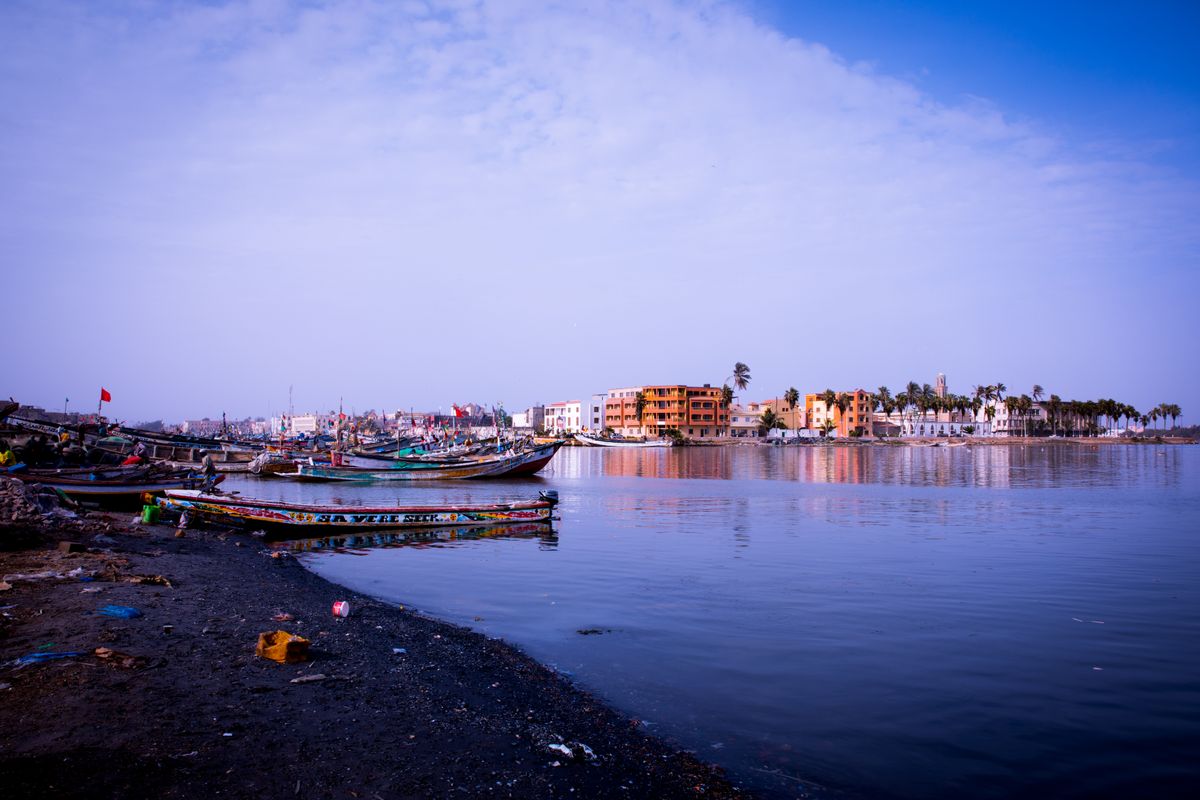
Everything you need for visiting the Sine-Saloum Delta from Dakar: transport, seasons, realistic FCFA budgets, where to sleep, and how to travel respectfully.
Visiting the Sine-Saloum Delta: A Practical Guide
Three to four hours south of Dakar, the Sine-Saloum Delta is one of Senegal's easiest and most rewarding escapes. A UNESCO World Heritage site, it's a maze of bolongs (tidal channels), mangrove forests, shell islands and Serer villages where tarmac gives way to silence within a few kilometres. Whether you live in Dakar, are visiting from the diaspora, or have just moved here, this is what actually matters before you go.
When to go
The dry season, November to May, is the best window: clear skies, easy boat conditions, fewer mosquitoes. Between December and February the mornings are genuinely cool — bring a light layer for dawn pirogue trips — and migratory bird watching is at its peak.
From July to October the rainy season transforms everything: the landscape turns green, prices drop, but laterite tracks get rough and humidity is heavy. This is also peak malaria season, so prophylaxis and repellent are not optional.
If you can, avoid long public holiday weekends and the Tabaski / year-end period, when camps fill up and rates climb.
Getting there from Dakar
Most visitors leave from Almadies, Ngor, Mermoz or Plateau early in the morning to clear Dakar's exit traffic.
- Own car or rental: the toll motorway to Mbour, then the Fatick or Kaolack road. Budget 6,000–9,000 FCFA in tolls round trip and 35,000–60,000 FCFA for fuel depending on the vehicle. A small rental car runs 30,000–45,000 FCFA/day, a 4x4 55,000–90,000 FCFA/day.
- Dem Dikk buses or intercity coaches from the main stations: 3,000–7,000 FCFA, cheap but slow.
- Sept-places shared cars from Beaux Maraîchers station towards Fatick, Kaolack or Sokone: 4,000–8,000 FCFA per seat, plus a small luggage supplement.
- Private transfers arranged by camps: typically 60,000–120,000 FCFA per vehicle, which makes sense for three or four people.
Many travellers break the drive with a night on the Petite Côte. To scout accommodation and operators on that stretch, the Mbour city search is a good starting point.
Where to base yourself
Three gateways dominate:
- Ndangane and Mar Lodj, the closest to Dakar and ideal for a short weekend.
- Palmarin, strung between ocean and lagoons, known for its sunsets and its community reserve where hyenas still roam.
- Toubacouta and Missirah to the south, in the densest mangroves and close to the Saloum Delta National Park.
On budget: a simple village camp room costs 12,000–25,000 FCFA per night; a charming camp with half board runs 35,000–70,000 FCFA for two; upmarket lodges go beyond 90,000–150,000 FCFA. A full meal at a camp lands between 5,000 and 12,000 FCFA.
What people actually come for
The pirogue trip is the centrepiece: winding bolongs, mangrove tunnels, sandbanks and bird islets. Expect 20,000–45,000 FCFA per boat for a half day, split between passengers. Agree on the price and duration before boarding, and check that life jackets are on board.
Other highlights: Fadiouth, the shell island with its shared Muslim-Christian cemetery; the ancient shell mounds around Joal; sunrise birdwatching for pelicans, flamingos and terns; artisanal fishing; and visits to Serer villages with their traditional granaries. Kayaking and cycling are growing too — quieter, and easier on the wildlife than outboard motors.
Practical tips
- Bring cash. Card terminals are rare outside the larger lodges. Withdraw in Mbour, Fatick or Kaolack before heading into the delta.
- Hire local guides. Village guides are often organised into associations; a full-day guide costs 10,000–20,000 FCFA.
- Network coverage: Orange is generally strongest, but expect dead zones out on the water.
- Sun and salt: hat, sunglasses, sunscreen, and a dry bag for your phone.
- Respect: ask before photographing people, dress modestly in villages, and don't buy coral or shells collected inside protected areas.
- Tipping: not mandatory but appreciated — 1,000–3,000 FCFA for an attentive boatman goes a long way.
To compare agencies, camps and operators before booking, browse the travel and tourism category in the directory.
What it costs
A two-night weekend for a couple leaving from Dakar comes to roughly 150,000–250,000 FCFA using camps and shared transport, or 300,000–450,000 FCFA for a more comfortable trip with a private vehicle. Travelling solo by sept-place and sleeping in village camps, 70,000–100,000 FCFA is entirely realistic.
The delta rewards slowness. Give it two nights minimum, three if you want to feel the rhythm of the tides.