
Visiting Toubab Dialaw: A Practical Guide
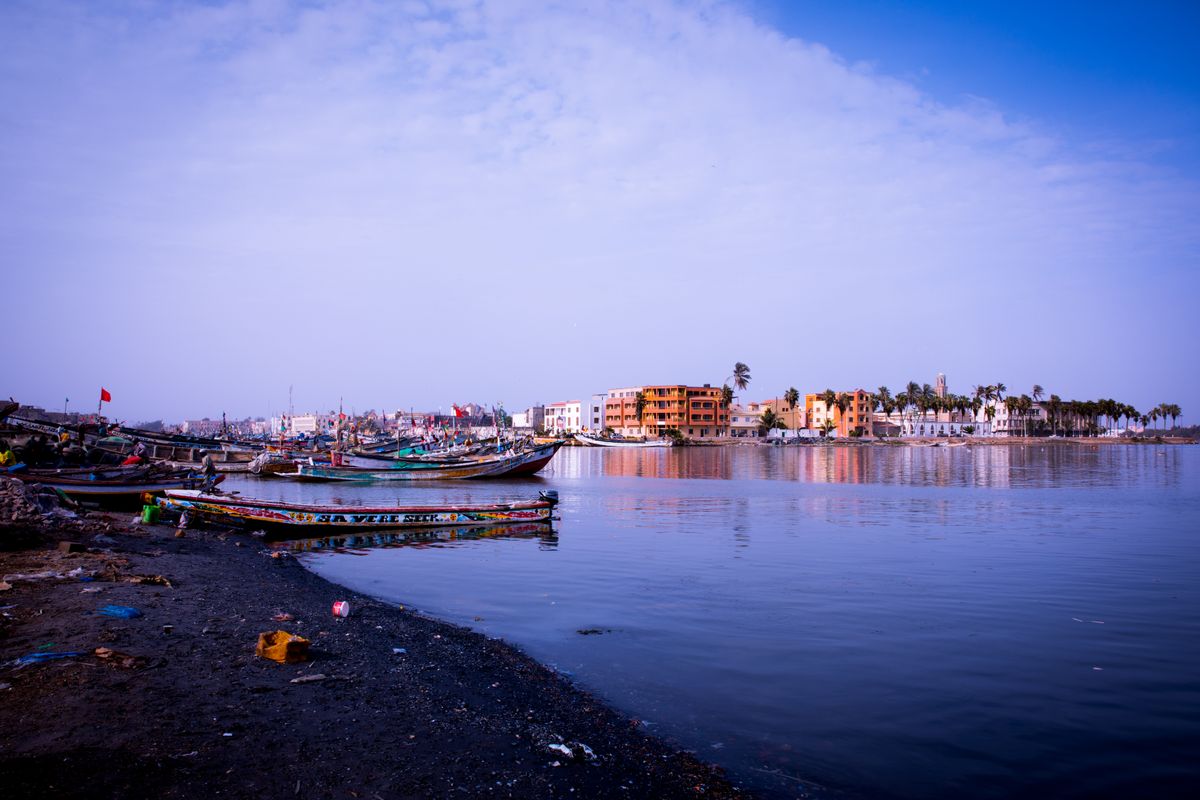
Everything you need for visiting Toubab Dialaw from Dakar: transport, FCFA budget ranges, seasons, beaches and practical tips for travellers, diaspora and newcomers.
Visiting Toubab Dialaw: A Complete Guide from Dakar
About fifty kilometres south of Dakar, Toubab Dialaw is the seaside village Dakarois trade like a badly kept secret. Ochre cliffs, dark-sand coves, sculpted mud-brick houses, artists' workshops and a rhythm that drops a gear the moment you leave the highway: it is the shortest weekend escape that genuinely feels like leaving the city.
Getting there from Dakar
Toubab Dialaw sits on the Petite Côte, before Yène and well before Mbour. Allow 1 to 1h45 depending on your starting point and traffic.
- Own car or rental: take the toll motorway toward Diamniadio, then the Yène road. Tolls from Dakar usually run 1,000 to 2,500 FCFA depending on which gates you pass. A small rental car costs roughly 25,000 to 45,000 FCFA per day, more for a 4x4.
- Ride-hailing (Yango, Heetch and similar): from Almadies, Ngor or Ouakam, budget 12,000 to 25,000 FCFA one way depending on time and demand. From Plateau or Point E it is often slightly less. Be warned: few drivers pick up in the village itself, so negotiate a round trip with waiting time or get a local driver's contact.
- Public transport: a "sept-places" bush taxi or a bus from the Rufisque or Diamniadio road station costs 1,000 to 2,500 FCFA, then a shared clando taxi or a Jakarta motorbike for the last few kilometres (500 to 2,000 FCFA). Cheapest option, longest journey.
If you plan to continue down the coast, the same logic applies: check listings around Mbour to extend the trip.
When to go
- November to May: dry season, steady trade winds, generally calm morning seas. This is the best window. December and January evenings can be cool on the cliffs, so bring a light layer.
- July to October: the rainy season, or hivernage. Short but heavy downpours, gorgeous green landscapes, softer prices, but the access track into the village can turn muddy and some coves fill with seaweed.
- Weekends and public holidays: the village fills up with Dakar residents. For quiet, aim midweek; for atmosphere and live drumming, Saturday night.
Mind the currents and shore break. The beaches are beautiful but largely unsupervised. Swim in the sheltered coves, ask locally before going in, and avoid swimming alone late in the day.
Where to stay and what to budget
Accommodation ranges from a simple guest room to an artist's house with an ocean terrace.
- Simple room or hostel: 10,000 to 20,000 FCFA per night.
- Campement or charming guesthouse: 25,000 to 60,000 FCFA, often with breakfast included.
- Whole villa or holiday rental: 60,000 to 150,000 FCFA per night, good value for a group.
For food, a local dish (thieboudienne, yassa, grilled fish) runs 2,500 to 6,000 FCFA, while a sit-down menu on a sea-view terrace is closer to 7,000 to 15,000 FCFA. Bottled water or a bissap juice: 500 to 1,500 FCFA.
What to do
- Walk the coast: the cliff path linking the coves is the main attraction, especially at sunset.
- Workshops and culture: the village lives off a small scene of artists, percussionists and ceramicists. Multi-day djembe, dance or pottery courses are easy to arrange once you are there.
- Pirogue trips and fishing: negotiate an outing with the fishermen, 10,000 to 25,000 FCFA depending on duration and group size.
- Day trips: Yène and its beaches, the Somone lagoon, or Lac Rose on the way back north. A private taxi for the day is typically 30,000 to 50,000 FCFA.
Practical tips
- Bring cash. Card terminals are rare and there is no reliable ATM in the village. Withdraw in Plateau, Mermoz or Diamniadio before you leave. Orange Money and Wave are widely accepted.
- Mobile network: usable but patchy near the cliffs. Download your maps offline.
- Power cuts happen. A headlamp or a power bank is worth packing.
- Bargaining: for taxis, boat trips and crafts, agree the price calmly before you set off, not on arrival.
- Dress: swimwear on the beach, more covered in the village itself, which is a living community rather than a resort.
For comparing other stays, transport options and activities across Senegal, browse the travel and tourism category in the SeneFinder directory.