
Ride-hailing apps in Dakar: practical guide
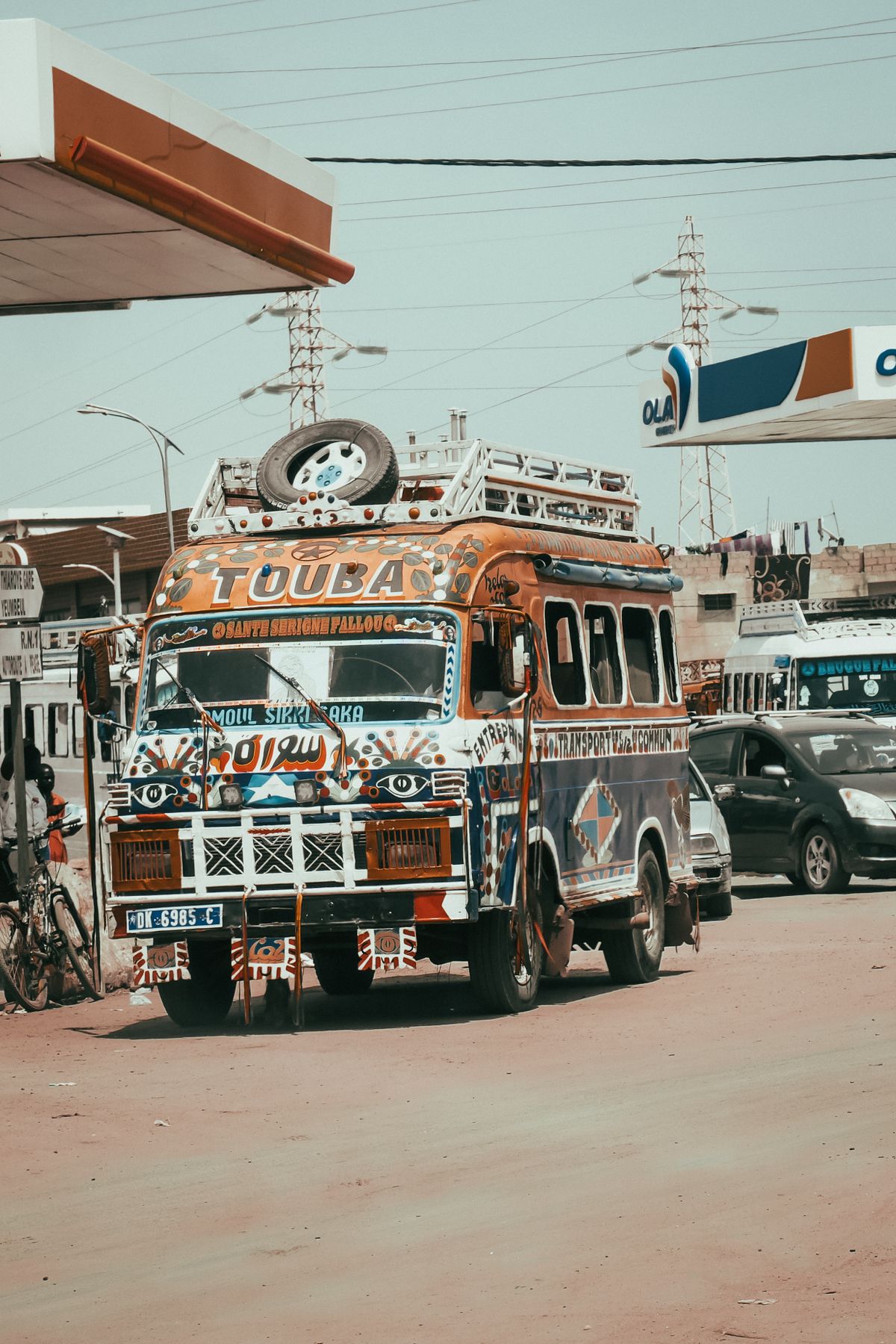
Yango, Heetch, Yassir: how ride-hailing apps work in Dakar, what a trip costs between neighbourhoods, how to pay in cash or by card, and the safety habits worth adopting from day one.
Ride-hailing apps in Dakar: how they work
Ordering a car from your phone is now as ordinary in Dakar as flagging down a yellow-and-black taxi. Three apps shape the market: Yango, Heetch and Yassir. They share the same logic, but they do not perform equally in every neighbourhood, at every hour, or with every payment method.
How it actually works
The flow is the same on all three: create an account with a phone number (a local SIM makes the verification code far more reliable), enter pickup and destination, and the app shows an estimated price before the ride. That is the key difference from a street taxi, where the fare is settled at the window.
- Fine-tune your pickup pin. GPS often drops it in the middle of a junction. In Point E, the Almadies or the back streets of Ouakam, drag it manually and add a note such as "in front of the pharmacy, street side".
- Wait outside, not behind a gate. Most cancellations come from a driver circling the same lane three times.
- Check the tier (economy, comfort, sometimes vans): the price gap is real at rush hour.
- Fares move. When demand spikes, a rainy-season downpour or the end of the working day, a surge multiplier applies. Waiting ten minutes or walking to a busier avenue usually brings it back down.
Fares, neighbourhoods and quiet hours
Prices vary by app and traffic, but the orders of magnitude hold. A short hop inside one area, Mermoz to Sacre-Coeur or Liberte 6 to the Foire, usually falls between 1,500 and 3,000 FCFA. Plateau across to the Almadies or Ngor tends to land between 4,000 and 8,000 FCFA. Trips out to Parcelles Assainies, Pikine, Guediawaye or Keur Massar run closer to 6,000 to 12,000 FCFA, and Rufisque or Diamniadio costs considerably more, with drivers sometimes reluctant to go that far without a return fare.
The decisive variable is traffic. Between mid-morning rush and the late-afternoon exodus, the VDN, the corniche and the Ouakam road slow to a crawl: same trip, double the fare, triple the time. During the rainy season, from July to October, one heavy downpour can drain the supply of cars for an hour or two as low-lying streets flood.
Paying: cash, card, mobile wallet
This is what surprises newcomers most: cash is still king. On all three apps, paying the driver at the end of the ride is the norm and the option drivers accept most readily.
- Carry small notes. A driver rarely has change for a large bill early in the morning. Keep 1,000 and 2,000 FCFA notes handy.
- Cards work, but not always: adding a foreign card can fail depending on your issuing bank. Test it on a short ride first.
- Mobile wallet options differ by app and change regularly: check the payment tab in yours.
- The quoted price can be adjusted if the route changes: always add extra stops inside the app.
If you are visiting or back from the diaspora, get a feel for the exchange rate first.
Safety: the habits that matter
Apps give you traceability a street taxi cannot: driver identity, plate, vehicle model, ride history.
- Check the plate and the car model before getting in, and walk away if anything does not match.
- Share your trip through the app's share function, especially at night.
- Sit in the back when travelling alone and keep your phone on you.
- Stay inside the app for messages and payment: a ride agreed "off app" strips away every protection.
- Emergency numbers: police 17, fire brigade 18, ambulance 1515.
At the airport, app pickups sometimes follow specific rules about where cars may wait, so check the meeting point before you land.
Recommended addresses on SeneFinder
- IZYCAB GREEN SUARL : Corniche Ouest
- TAXI DAKAR : HLM
- Yassir Senegal : Cité Keur Gorgui
- ALLO TAXI AIBD : Dakar
- AZUR AUTO VTC : Foire
- BM BUSINESS ET TRANSIT : Ouakam
More transport providers are listed in Dakar: see all addresses.
Useful tools
- Route planner to estimate a trip before you order.
- FCFA currency converter if you are arriving from abroad.
- Practical guide: emergency numbers, transport and everyday information.
- Going further: getting to AIBD airport and renting a car in Dakar.
Frequently asked questions
Which ride-hailing app is best in Dakar?
None dominates everywhere. Install at least two and compare price and waiting time at the moment you order, since availability shifts by neighbourhood and time of day.
Can I pay for a ride in cash in Dakar?
Yes, paying the driver in cash at the end of the ride is the most common practice. Bring small notes, as drivers rarely have change for a large bill.
Do ride-hailing apps serve the suburbs and Diamniadio?
Yes, but supply thins out the further you go from the centre. For Keur Massar, Rufisque or Diamniadio, order ahead and expect a higher fare and a longer wait.