
Electricity and water in Dakar: Senelec, SEN EAU
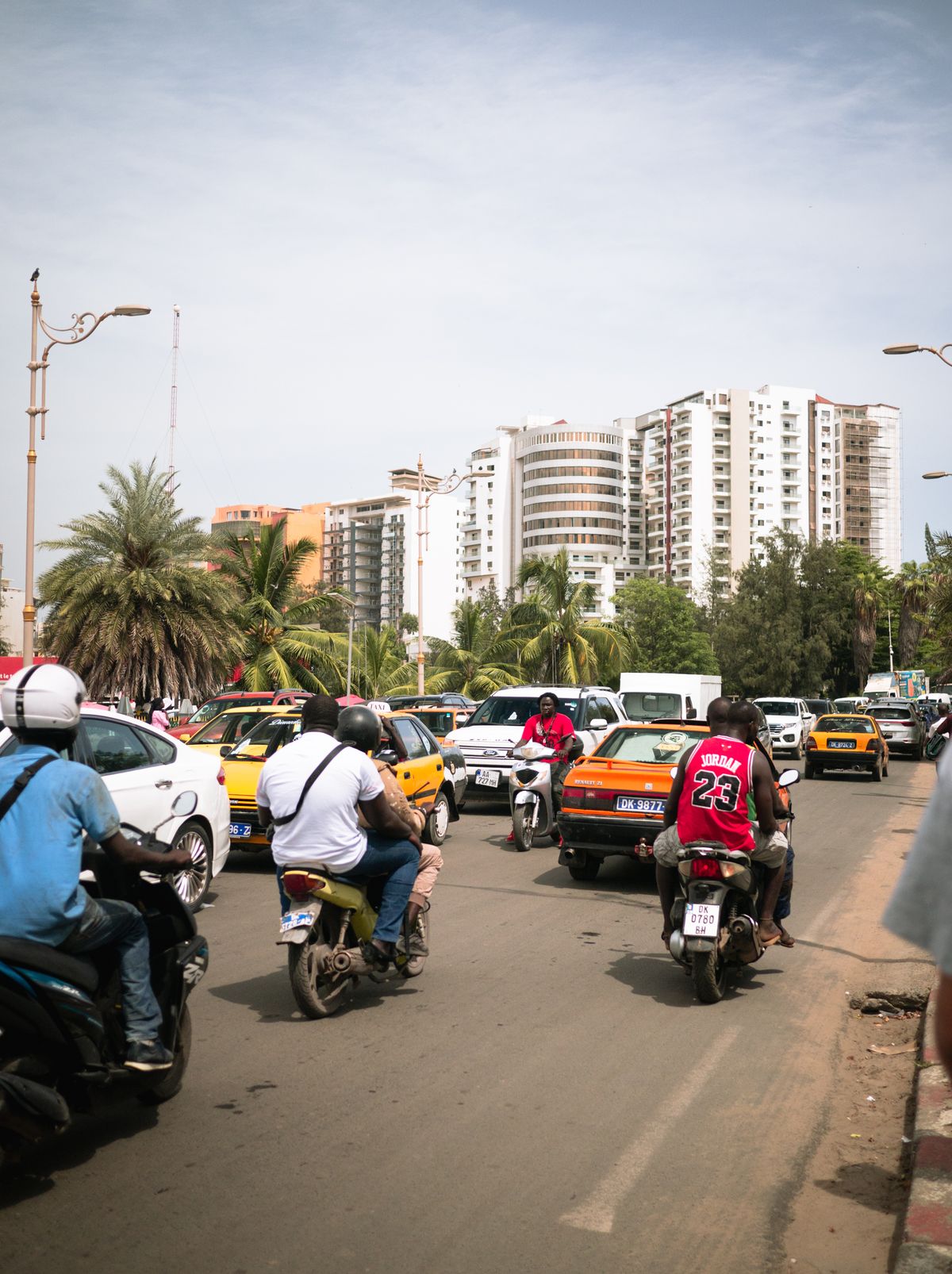
Woyofal prepaid meters, SEN EAU bills, power and water cuts, generators and solar: a practical guide to handling electricity and water in Dakar, neighborhood by neighborhood.
Electricity and water in Dakar: Senelec, SEN EAU and outages
Two utilities shape daily life in Dakar: Senelec for electricity and SEN EAU for drinking water. Whether you are moving into Mermoz, returning from the diaspora to Ouakam or renting a studio in the Almadies, the questions are the same: how to open an account, how to pay without queuing, and how to cope with outages.
Woyofal prepaid or postpaid billing
Most newer homes run on a Woyofal meter, Senelec's prepaid system. You buy credit, punch a code into the meter, and the power runs until it is gone. For a tenant that matters: no debt inherited from the previous occupant, no surprise bill.
- Woyofal: top up at a neighborhood shop, a money transfer kiosk or from a mobile app. Household top-ups run from a few thousand FCFA up to 20,000 or 30,000 FCFA.
- Postpaid: still common in older buildings in Plateau, Point E and Sacré-Cœur. The bill arrives every two months, and paying late means disconnection plus a reconnection fee.
- The tariff rises with consumption: one huge top-up saves nothing.
To open an account in your own name, bring ID, a lease or a letter from the landlord, and the connection fee. If the property is already connected, you only need a transfer of subscription, which is far faster than a new connection.
Water with SEN EAU: bills and pressure
SEN EAU handles distribution across the metropolitan area. You subscribe with ID and proof of occupancy; bills come every two months and are paid in branch, at partner kiosks or by mobile money.
The real issue is rarely the price, moderate for normal family use. It is pressure. In hillside areas or at the end of the network, water sometimes only arrives in the evening: parts of Ouakam and Yoff, Parcelles Assainies, Keur Massar and pockets of Guédiawaye and Pikine.
- Before signing a lease, ask whether the building has a storage tank or a booster pump. It is the single most important question.
- Keep 100 to 200 litres in reserve at home, especially in April, May and June.
- Read your own meter now and then: a strangely high bill usually means a leaking toilet, not a billing error.
Outages: what to expect through the year
Load shedding has eased a lot, but cuts are still part of life, mostly between May and October.
- December to March: the most stable stretch, with cuts mainly tied to scheduled maintenance.
- April to June: consumption peaks with the heat, and short late afternoon interruptions.
- Rainy season, July to October: storms and humidity, with occasionally longer outages in low lying parts of Pikine, Guédiawaye and Keur Massar.
Short cuts mostly damage equipment, so plug your laptop, router and fridge into surge protectors. A small UPS is enough to save a video call or keep a light on for an hour.
Generator or solar: doing the maths
In villas around the Almadies, Ngor and Fann, the backup generator is still the default. It starts fast, but it is noisy and needs servicing: oil changes, filters, starter battery. Fuel quickly becomes the dominant cost.
Solar is gaining ground fast, and Dakar has the sunshine for it.
- Portable kit (lights, phone charging): a few tens of thousands of FCFA, ideal for a studio.
- Hybrid system with batteries: it takes over automatically and runs lighting, fridge, fans and the router. Several hundred thousand to a few million FCFA depending on capacity.
- Solar water heater: it pays for itself quickly in a family home.
Always insist on a written quote listing panels, inverter, batteries and warranty. Be wary of anyone promising to run the whole house, air conditioning included, on a small kit.
Recommended addresses on SeneFinder
- Services in Dakar on SeneFinder: search for service providers in Dakar, including electrical work and plumbing.
Listings change often, so take a moment to see all addresses and check the latest information.
Useful tools
- Practical guide: emergency numbers (17, 18, 1515), transport and essential local info.
- Currency converter: turn an installation quote into euros or dollars.
- Renting an apartment in Dakar: check the meter, the tank and the charges before signing.
- Settling in Dakar, a diaspora guide: the checklist for your first weeks.
Frequently asked questions
How do I top up a Woyofal meter?
You buy credit at a neighborhood shop, a money transfer kiosk or through a mobile app. You receive a code to enter on the meter, and the credit activates straight away.
What should I do during a long water cut?
First check whether the whole building is affected, then report it to SEN EAU with your subscription reference. A household reserve of 100 to 200 litres comfortably covers a day for a family.
Do I need a generator to live in Dakar?
In most homes it is not necessary, and a UPS or a small solar system does the job. A generator mainly makes sense for a villa, a shop or an activity that cannot afford to stop.