
Studying in Senegal: international student guide
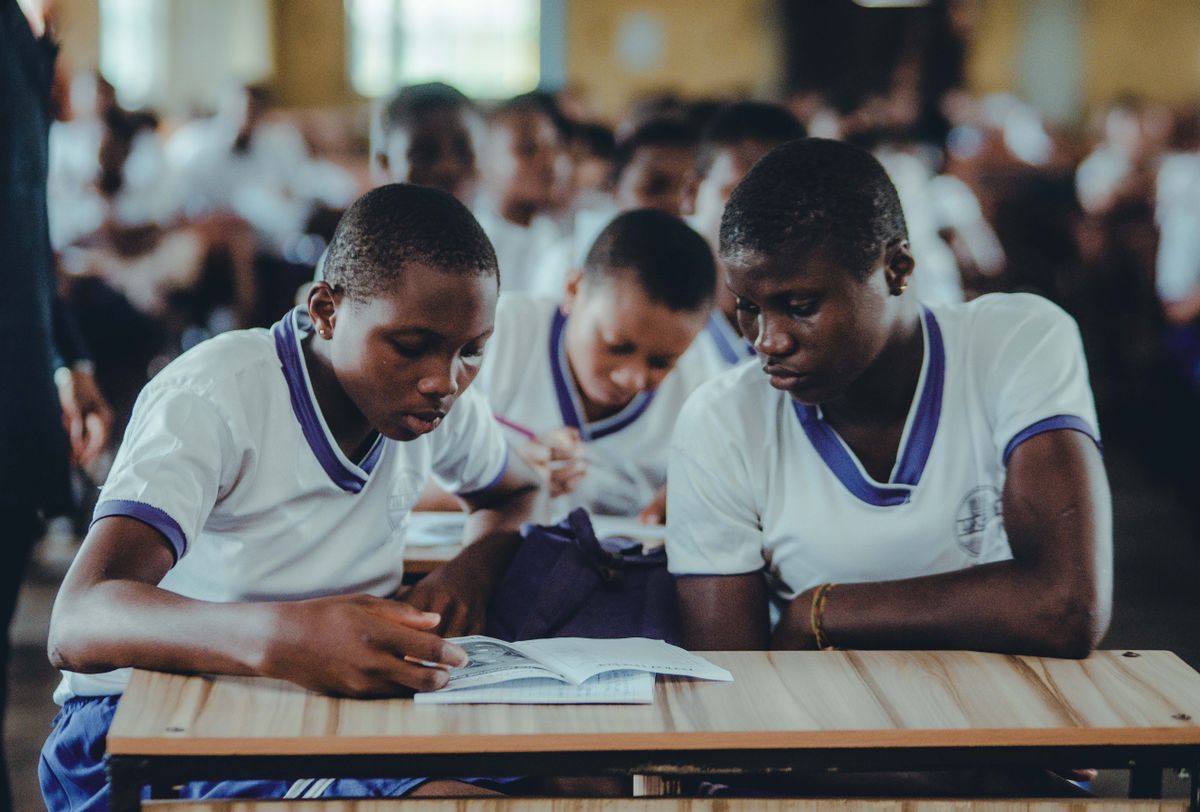
Admission, visa, housing in Dakar, monthly budget and scholarships: a practical guide to studying in Senegal as an international student, with realistic price ranges in FCFA.
Studying in Senegal: guide for international students
Senegal welcomes thousands of international students every year, most of them in Dakar. Tuition stays affordable, teaching is mainly in French, and the paperwork is manageable if you start early. Here are the five things to settle, in order: admission, visa, housing, budget and scholarships.
Choosing a school and applying
Higher education splits between public and private. Public institutions charge very low fees but run large cohorts and a calendar that strikes can disrupt. Private schools, often Catholic or partnered with French institutions, usually charge 400,000 to 2,500,000 FCFA per year depending on the programme.
- Apply early: the year starts in October or November, and applications usually run February to July.
- Have diplomas translated and legalised if you come from a non francophone country, with several certified copies.
- Check that the degree is recognised where you plan to work afterwards.
- Medicine, engineering and management fill up fast, so line up a second choice from the start.
Not every campus is inside Dakar. Some sit in Thiès, Saint-Louis or Diamniadio, which changes your housing and transport maths entirely.
Visa and residence permit
ECOWAS citizens enter without a visa and can settle with a valid national ID. Other nationalities should confirm entry requirements with the Senegalese diplomatic mission in their country.
Any stay longer than three months requires a residence permit. Bring your passport, enrolment certificate, proof of address, ID photos and a police record extract. Processing takes several weeks, so file soon after arrival rather than days before your status expires. Keep a photocopy of your passport on you.
Where to live in Dakar
Public student housing is heavily oversubscribed and rarely open to a newcomer. Most international students rent a room in a shared flat or a studio.
- Point E, Mermoz, Sacré-Cœur, Liberté 6: the student belt, close to campuses. A shared room often runs 60,000 to 120,000 FCFA per month, a furnished studio 150,000 to 300,000 FCFA.
- Ouakam, Yoff, Ngor: airier and near the ocean, pricier towards the corniche.
- Almadies and Plateau: pleasant or central, but rents sit above most student budgets.
- Parcelles Assainies, Pikine, Guédiawaye, Keur Massar, Rufisque: rents drop sharply, sometimes by half, but commutes stretch. Ride the route at rush hour before signing.
Always ask what is included: water, electricity, internet. Deposits commonly equal two or three months of rent. Visit in person, or send someone you trust, before transferring money.
Monthly budget
A student who cooks at home and uses public transport generally lives on 150,000 to 350,000 FCFA per month, rent included and tuition excluded. A plate at a neighbourhood eatery costs roughly 1,000 to 2,500 FCFA; sit down restaurants add up fast.
- Buses and shared minibuses cost a few hundred FCFA a ride; a negotiated taxi costs far more.
- Get a mobile plan with data early: class groups and mobile payments both depend on it.
- The rainy season, July to October, slows commutes in several neighbourhoods.
- Paid work for foreign students is restricted, so build your budget on funds you have rather than a job you hope to find.
Scholarships and aid
Three routes: Senegalese government scholarships for students from partner countries, scholarships from your own country or ministry, and institutional aid from private schools, usually a fee reduction or staggered payments. Deadlines fall early, often six to twelve months before the academic year, and incomplete files are simply dropped.
Recommended addresses on SeneFinder
- Notre Dame Du Cap-Vert : Pikine
- UCAO ISAE-Thies : Thiès
- UCAO ISG Saint Michel : Plateau
- Université Catholique De L' Afrique De L' Ouest ( UCAO ) : Plateau
- Universite Cheikh Anta Diop (UCAD) : Dakar
- Université Kocc Barma : Île de Saint-Louis
To compare more institutions, you can see all addresses.
Useful tools
- Route planner: test the flat to campus commute before you rent.
- Currency converter: switch FCFA to your own currency for a realistic budget.
- Practical guide: transport, emergency numbers (17, 18, 1515) and daily essentials.
- Also worth reading: the residence permit in Senegal and the cost of living in Dakar.
Frequently asked questions
Do I need a visa to study in Senegal?
ECOWAS citizens do not need an entry visa. Other nationalities should check with the Senegalese diplomatic mission in their country, and any stay beyond three months requires a residence permit.
Are classes taught in French or English?
The vast majority of programmes are taught in French. A few private schools offer bilingual or English tracks, but they remain the exception.
How much should I budget per month in Dakar?
Plan for 150,000 to 350,000 FCFA per month including rent, excluding tuition. Rent is the deciding factor: suburban housing can halve that figure, at the cost of longer commutes.