
Coding Bootcamps and IT Training in Dakar: Guide
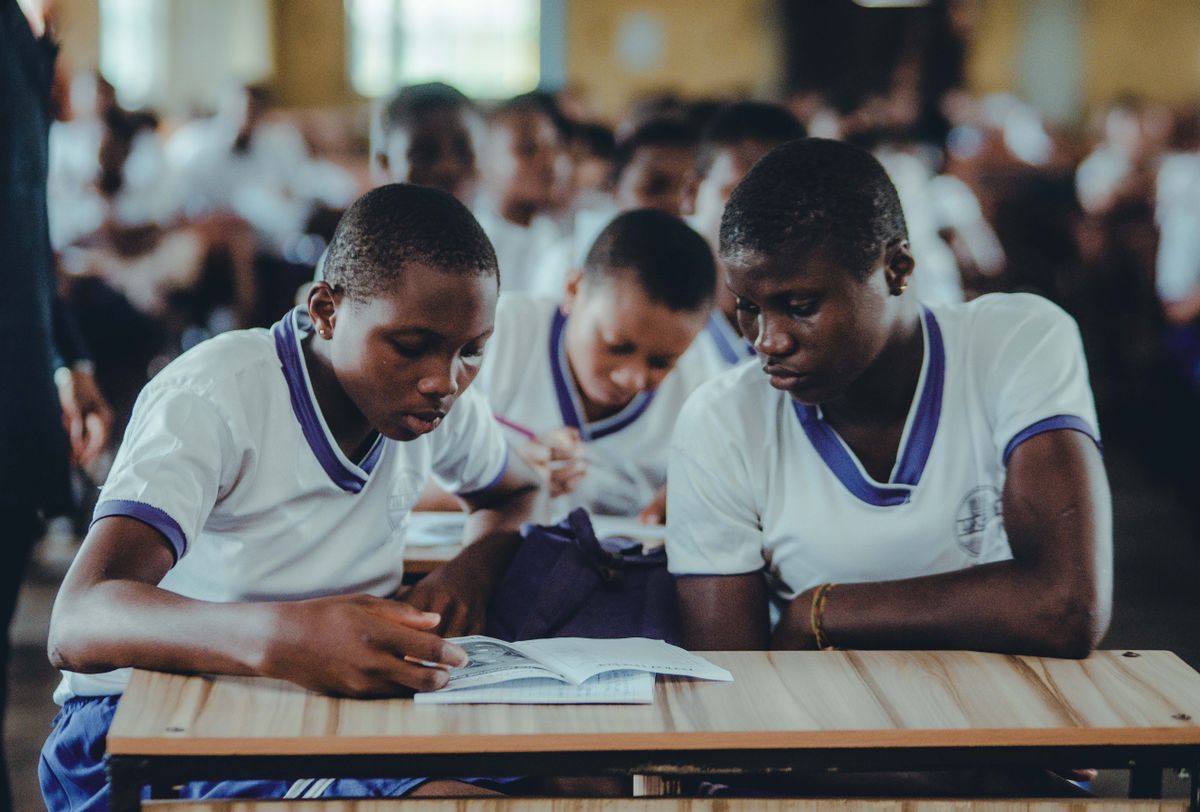
Bootcamps, web development, data and cybersecurity in Dakar: real course lengths, FCFA budget ranges, where to study and the jobs that follow, so you can pick IT training that actually leads to work.
Coding Bootcamps and IT Training in Dakar
Dakar now offers a dense mix of tech education: intensive bootcamps, degree programmes, evening classes and fully online tracks. The hard part is no longer finding a school, it is matching the format to your level, your budget and the job you actually want. Here is what to check before you enrol.
Bootcamp, degree programme or evening classes
A bootcamp is short and intensive: three to nine months, weekdays, heavy on projects and light on theory. It is built for a fast entry into the job market, mostly in web development. Choose it only if you can commit full time, evenings included.
A degree programme in computer science, networks or information systems takes two to five years. It matters if you are aiming at banks, telecom operators or public sector exams, where a recognised diploma is still required.
Evening and weekend classes suit people already employed, a common profile around Plateau and Point E. The content resembles a bootcamp, spread over one to two years, with sessions after six in the evening or on Saturday mornings. If you are also comparing general schooling, our overview of the best schools in Dakar is a useful companion read.
Which track: web, data, cybersecurity or mobile
- Full-stack web development: HTML, CSS, JavaScript, a front-end framework, then a back end in PHP, Node.js or Python. The track digital agencies and fintech start-ups hire from most.
- Data and analytics: advanced spreadsheets, SQL, Python, visualisation. NGOs, research firms and telecom operators want people who can clean and interpret data, not just produce charts.
- Cybersecurity and networks: system administration, Linux, infrastructure security. Strong demand from banks and public bodies, but you need solid networking basics first.
- Mobile development: Android and cross-platform apps, highly relevant where the phone is the primary screen.
- UX/UI and no-code: short formats that work well for shop owners and founders who want to build quickly.
Cost, length and pace
Prices swing widely. As a general guide in Dakar: a short introductory course of a few weeks often falls between one hundred thousand and three hundred thousand FCFA; a full bootcamp, between four hundred thousand and one and a half million FCFA; a year in a private degree programme frequently sits above that. Instalment plans are widespread, so ask about monthly payments on your first visit.
Budget for the hidden costs: a decent laptop, reliable home internet and daily transport. Commuting from Parcelles Assainies or Guédiawaye to a centre in the Almadies at rush hour drains more energy than you expect, so test the journey once before signing. Main intakes cluster in October and January, with summer sessions in July and August; September fills up fast.
Where to study, neighbourhood by neighbourhood
Plateau hosts the professionally oriented centres, convenient if you go straight from the office to class. Point E, Mermoz and Sacré-Cœur hold many private schools and coworking spaces, roughly halfway between downtown and the suburbs. The Almadies, Ngor and Ouakam attract internationally focused providers. Around Liberté 6, Yoff and Parcelles Assainies the offer is more affordable. Keur Massar, Pikine and Rufisque are seeing neighbourhood centres open, while Diamniadio grows around its university and technology hubs.
Mistakes to avoid before paying
- Ask for the week by week syllabus and the number of supervised hours.
- Check how much space is given to real projects: a portfolio of three or four working apps counts more in an interview than a certificate.
- Confirm whether the qualification is officially recognised if you plan on public sector jobs or study abroad.
- Be wary of guaranteed job promises and of cash payments with no receipt.
- Sit in on a trial class first.
For diaspora families weighing equivalences for their children, the piece on international schools in Dakar covers that angle.
Recommended addresses on SeneFinder
- Sama Chef école de cuisine professionnelle : Mermoz, vocational training centre.
- Centre Formation Professionnelle De Richard Toll : Richard-Toll, vocational training centre.
- GOMYCODE Dakar Point E : Île de Saint-Louis, training centre.
- Impact Solution : Kolda, training provider.
More institutions are listed by neighbourhood: see all addresses.
Useful tools
- Route planner to test the commute between home and campus.
- Currency converter if you are comparing fees from abroad.
- Practical guide for emergency numbers (17, 18, 1515) and transport.
- List your centre if you run a training organisation.
Frequently asked questions
How long does a coding bootcamp in Dakar last?
Most full-time bootcamps run three to nine months. In an evening or weekend format, the same curriculum is usually spread over one to two years.
Do I need a science background to learn web development?
No. Most bootcamps accept any motivated profile, sometimes after a short logic test. Degree programmes are stricter and generally expect a secondary school diploma with a science stream.
What jobs can I get after IT training in Dakar?
Web or mobile developer, front-end integrator, data analyst, network administrator and technical support roles, plus growing freelance work for clients abroad. Data and cybersecurity profiles are in especially high demand.