
Guide to Keur Massar, Dakar: the new department
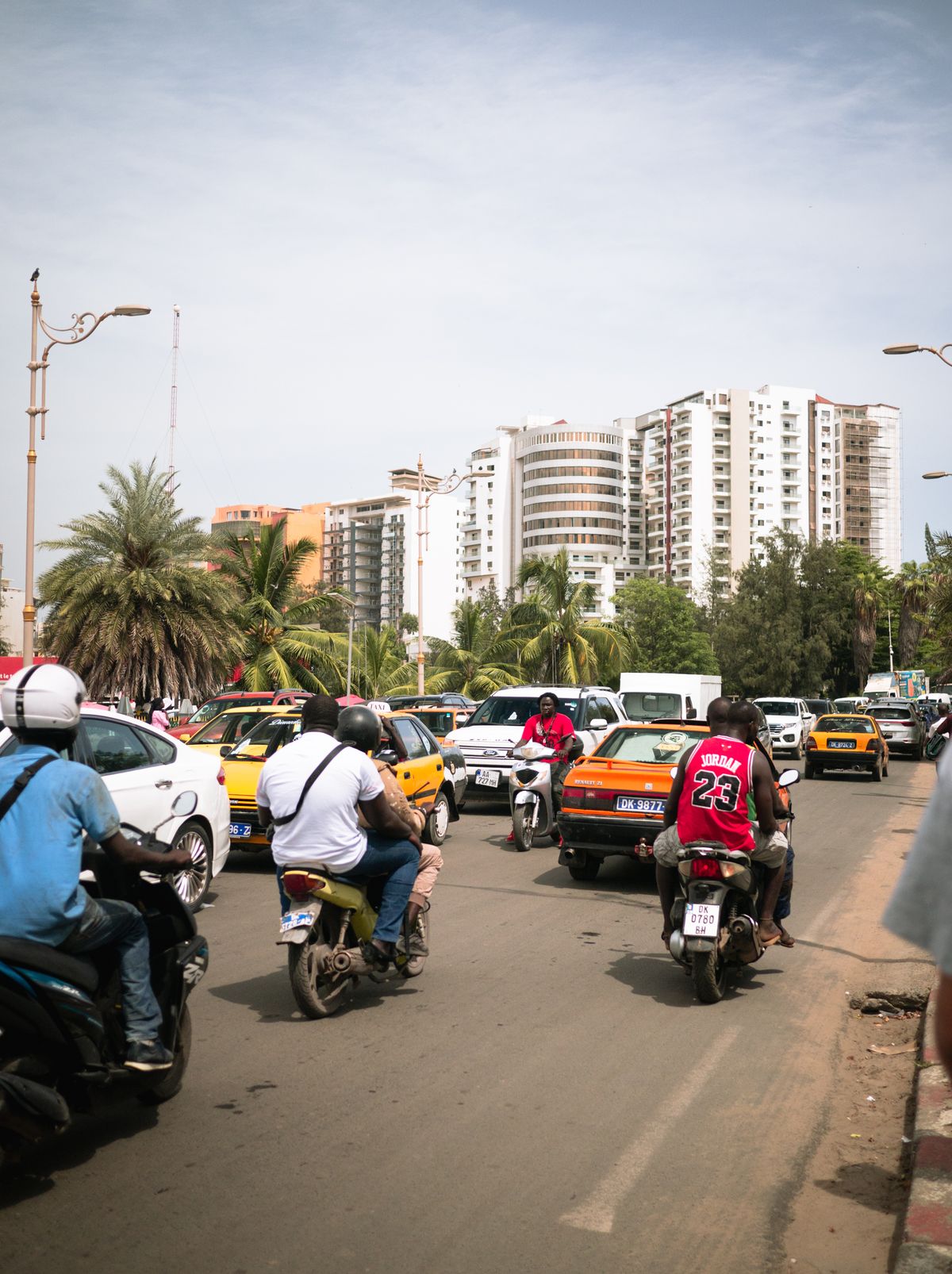
Keur Massar is now a full department of the Dakar region, drawing families with cheaper rent. Housing, flooding and commuting: what to check before you move in or visit.
Guide to Keur Massar, Dakar: living in the new department
Keur Massar is no longer just the far edge of the suburbs: it is a full department of the Dakar region, alongside Dakar, Pikine, Guediawaye and Rufisque. People move here for cheaper rent and more space, and they arrive with the same two questions: flooding and commuting time. Here is what really matters before you choose a street.
Why the new department status counts
The redrawn map gave Keur Massar its own prefecture and local public services: part of the civil registry paperwork no longer has to be handled in Pikine.
The department covers communes with very different personalities:
- Keur Massar itself, the urban core, with its numbered Units, estates and markets
- Malika, between dunes, market gardens and the northern coastline
- Yeumbeul Nord and Yeumbeul Sud, dense and commercial, right on the national road
- Jaxaay, Parcelles and Niakoul Rap, born from resettlement programmes after the major floods
That mix explains why prices and atmosphere shift sharply from one block to the next.
Where to live and what it costs
For the same budget you usually get one extra room compared with Liberte 6, Sacre-Coeur or Mermoz, and there is simply no comparison with Almadies, Ngor or Plateau.
Rough monthly ranges across the department, for guidance only:
- studio or one-room flat: around 60 000 to 110 000 FCFA
- two-bedroom apartment: around 100 000 to 180 000 FCFA
- family house or small villa: around 200 000 to 400 000 FCFA
Budget two to three months of deposit, plus an agency fee often equal to one month's rent. Developer-built estates with proper roads and drainage cost more than self-built neighbourhoods, but spare you a lot of trouble. Visit twice and ask to see recent water and electricity bills.
Flooding: settle this before you sign
This is the sensitive point. Part of Keur Massar sits on old depressions where rainwater collects and the water table runs close to the surface. The rainy season runs from July to October, peaking in August and September, and that is when everything becomes visible.
Before renting or buying:
- visit in September if you can, or ask for photos of the plot taken during the rains
- compare the doorstep height with the street level, look for damp marks on low walls
- be wary of streets that dip below their plots and of land that was recently filled in
- check the drainage connection and the state of the open canals nearby
- ask the neighbours and the shopkeepers on the street: they know exactly what happens
Drainage works, retention basins and pumping have improved several sectors, but exposure still varies from one Unit to the next: a house that stays dry a hundred metres from one that floods every year is normal here.
Getting into town
Allow 45 minutes to 1 hour 30 to reach Plateau, depending on the hour and the mode. Your options:
- the regional train from Yeumbeul station, the most reliable link towards the centre
- Dakar Dem Dikk buses and minibuses serving the national road and the Mbao corridor
- shared minibuses and clandos for local hops between the Units, Malika and Yeumbeul
- taxis, roughly 1 500 to 3 000 FCFA for a local ride, more towards the city centre
- driving, using the toll motorway towards Diamniadio and the airport
The morning flow into Dakar and the evening flow back out are the two real bottlenecks. Many households shift their hours or rely on the train. During the rainy season, add a margin: a few centimetres of water on one junction can block an entire route.
Recommended addresses on SeneFinder
- DAKAR - EVENTS : Mbao, event services provider.
You can also see all addresses listed across the region.
Useful tools
- Route planner to estimate journeys into the centre
- Practical guide for emergency numbers, including 17, 18 and 1515
- Currency converter if you are budgeting from abroad
- Guide to Dakar neighbourhoods to place Keur Massar in context
- Best areas to live in Dakar to compare with the city centre
Frequently asked questions
Is Keur Massar a good choice for a family moving to Dakar?
Yes, if space and budget come first: you can rent a house here for the price of a flat inside Dakar. In exchange you accept longer commutes and must check flood exposure street by street.
How do I know whether a home sits in a flood-prone spot?
Visit during the rainy season, compare the doorstep with the street level, look for damp marks on the walls and ask the neighbours. Freshly filled land and a street that dips below its plots are both warning signs.
How long does it take to reach Plateau?
Between 45 minutes and 1 hour 30, depending on the time of day and the mode of transport. The train from Yeumbeul is the most predictable option during peak hours.