
Dakar beaches for swimming: where to go safely
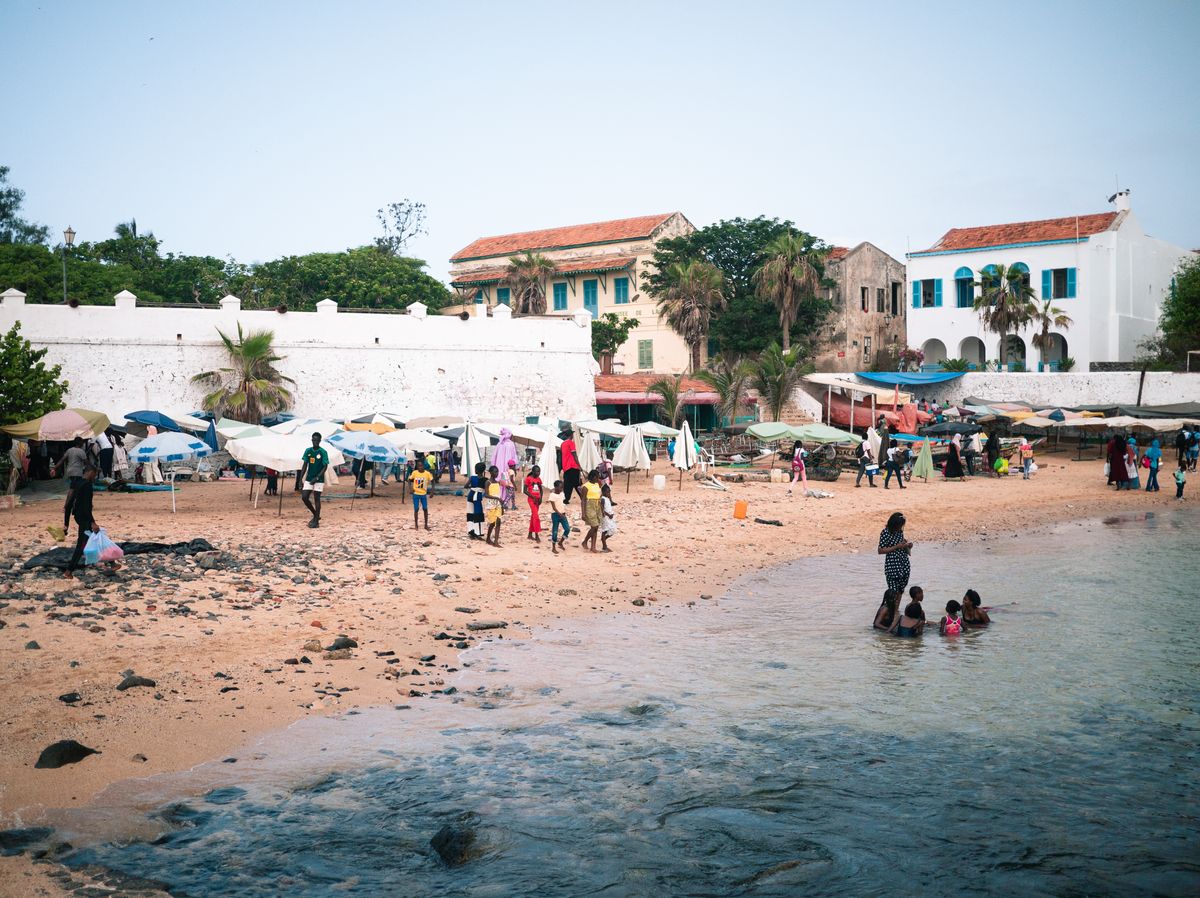
Where to swim in Dakar? Ngor, Ngor Island, Anse Bernard, Almadies and Yoff: currents, flags, lifeguards, best times and tips for swimming with children.
Dakar beaches for swimming: where to go and how to stay safe
The ocean surrounds Dakar, but not every stretch of it is safe for a swim. For calm water, head to Ngor beach, Ngor Island or Anse Bernard, and treat Yoff and most of the Almadies coastline with real caution because of strong waves and rip currents.
Where to swim, neighborhood by neighborhood
- Ngor: the village beach faces the island and sits in a fairly sheltered bay. The water is often calm, which is why families from Mermoz, Sacré-Cœur and Ouakam crowd in on weekends.
- Ngor Island: a short pirogue ride from Ngor beach, it has two small beaches on the mainland side, protected from the swell. The return crossing usually costs between 500 and 1,500 FCFA. Our Ngor Island guide covers the rest.
- Anse Bernard: a small cove in the Plateau, near Cap Manuel, handy if you live or work downtown. The water is generally gentler than on the northern coast.
- Almadies: the westernmost tip of Africa is stunning but rocky, with powerful waves. People come here to surf or have lunch by the ocean. Swimming is limited to a few small coves, and only when the sea is flat.
- Yoff: a long, lively sandy beach, but fully exposed to the swell and to rip currents, with drownings reported every season. Walk, watch the fishing pirogues, and only swim inside a supervised zone.
The same applies to the beaches of Malika, Guédiawaye and Pikine, popular with residents of the suburbs and Parcelles Assainies: the sea is rough there and you need to stay very alert.
Currents, flags and lifeguards
On Dakar's coast, the real hazard is not wave height but rip currents, narrow channels of water that pull swimmers out to sea. If one catches you, do not swim straight back against it. Swim parallel to the shore until you are free, then head in.
Where a lifeguard post is set up, flags tell you what to expect:
- Green: supervised swimming, good conditions.
- Yellow or orange: risky but supervised, stay close to the shore.
- Red: no swimming, even for strong swimmers.
Firefighter lifeguards cover some beaches, mostly during the hot season and school holidays, from July to October. Outside those months and zones, assume nobody is watching. In an emergency, call 18 for the fire brigade or 17 for the police.
Best times and seasons
The water is most pleasant from June to November, roughly 25 to 28 °C. From December to April it cools down noticeably to around 19 to 22 °C, and the harmattan season can make the sea choppy. The best windows are 9 to 11 am and after 4 pm. Skip midday, when the sun is harsh, and never swim at dusk, when lifeguards leave and visibility drops.
Sunday afternoons at Ngor and Yoff are packed. For a quieter swim, go on a weekday morning.
Swimming with children
- Pick a sheltered spot: Ngor, Ngor Island or Anse Bernard on a calm day.
- Keep young kids no deeper than waist height, with an adult in the water beside them.
- Bring armbands or a life vest, sunscreen, hats and plenty of drinking water.
- Plastic sandals protect little feet from rocks, sea urchins and hot sand.
- Agree on a visible meeting point in case you get separated in weekend crowds.
As for budget, a parasol and chairs usually rent for 1,000 to 3,000 FCFA on the busier beaches. A taxi from the Plateau or Point E to Ngor typically costs 2,500 to 4,000 FCFA. To grab a meal after your swim, browse Dakar restaurants listed on SeneFinder.
Recommended addresses on SeneFinder
- Noflaye Beach : Almadies, restaurant.
- Le Ngor Timiss : Almadies, restaurant.
- Restaurant La Pointe des Almadies : Almadies, restaurant.
For more options, see all addresses in this category or explore the Dakar directory.
Useful tools
- Route planner to get to Ngor, Yoff or the Plateau.
- Practical guide with SOS numbers and transport tips.
- FCFA currency converter to plan your spending.
- Want to explore beyond the capital? Read about Senegal's most beautiful beaches.
Frequently asked questions
Which is the safest beach for swimming in Dakar?
Ngor beach and the small beaches on Ngor Island are usually the calmest thanks to their sheltered position. Anse Bernard, in the Plateau, is another good choice when the sea is calm.
Can you swim at Yoff beach?
Yes, but only inside a supervised zone and under a green flag. Yoff is exposed to the swell and rip currents, which cause drownings every year.
What time of day is best for swimming in Dakar?
Early morning between 9 and 11 am, or late afternoon after 4 pm. Avoid midday because of the sun, and never swim at dusk.