
Visiting Ngor Island: a practical Dakar guide
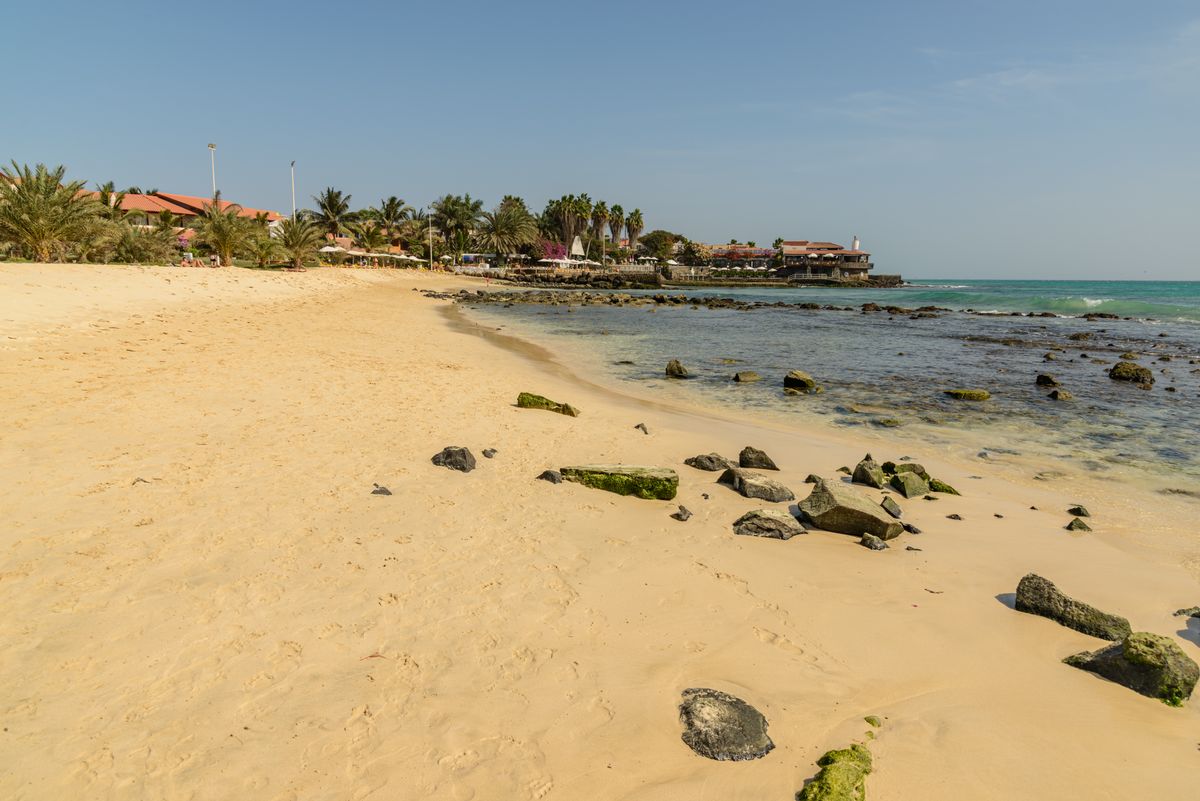
Everything you need for visiting Ngor Island: the pirogue crossing from the village beach, the island's two beaches, the surf spots and where to eat in Ngor village.
Visiting Ngor Island: a complete guide
Ngor Island sits a few hundred metres off the northern tip of Dakar, facing Ngor village. You reach it only by pirogue, the crossing takes a few minutes, and you land in a car free place of sandy lanes, painted walls and two beaches that face opposite directions. It is one of the easiest half day escapes in the city, and it works as well with kids as with friends.
Getting to the jetty and crossing by pirogue
Boats leave from the beach in Ngor village, between the old airport and the Almadies. Allow a good hour from Plateau in traffic, far less from Mermoz, Ouakam, Yoff or Sacre Coeur. Taxis, ride hailing cars and the coastal bus lines drop you within walking distance.
A few things worth knowing before you board:
- The return pirogue crossing usually costs between 1,000 and 2,000 FCFA per person, posted at the departure point. Keep your ticket for the way back.
- Pirogues leave when they are full, not on a timetable, so a quiet weekday can mean a short wait.
- The last boat back goes in the late afternoon, before dark. Ask the boatman for the exact time when you arrive.
- Bring cash in small notes. Card payment is not the norm at the jetty or on the island.
- Expect a splash when boarding: a dry bag or a plastic pouch protects phones and cameras.
The island's two beaches
The island's geography is simple, and it shapes the whole day. The south beach, facing the mainland, is sheltered, shallow and calm. That is where the pirogue lands, where families swim, and where the straw shelters and sun loungers line up.
Three minutes through the lanes brings you to the north beach, open to the Atlantic: wilder, windier, rockier, magnificent at sunset. There is no permanent lifeguard service, so read the water before going in, especially with children.
Season matters. From November to May the weather is dry and the water is on the cool side. From July to October the sea is warm but the rainy season brings short heavy showers. Weekends from December to February and the summer holidays are the busiest times.
Surf, snorkelling and village life
Ngor is one of the birthplaces of West African surfing. The famous Ngor Right breaks off the island and works best during the swell season, roughly October to March. Schools and rental outfits operate from the village and from the island itself, and a board for the day often runs between 5,000 and 15,000 FCFA depending on the gear.
If you are not here to surf:
- Snorkelling is rewarding along the rocky edges of the north beach on a calm day.
- The lanes of Ngor village on the mainland side reward an unhurried walk: workshops, murals, a neighbourhood market.
- Ask before photographing people. It is basic courtesy here, and it usually starts a good conversation.
Eating on the island and nearby
Food on the island is simple and clustered near the south beach: grilled fish, thieboudienne, brochettes, bissap and baobab juice. A fish plate with sides commonly runs between 4,000 and 10,000 FCFA. Loungers and shaded tables are often charged separately, so ask the price before settling in. That one question prevents almost every misunderstanding. Back on the mainland, the Almadies and the Corniche Ouest hold most of the sea view dining, while Plateau is convenient if you are staying downtown.
Recommended addresses on SeneFinder
- Chez Fatou : Almadies, restaurant
- Exotik Beach : Almadies, seafront restaurant
- Hôtel Al Afifa : Plateau, hotel
- La Parilla : Plateau, restaurant
- La Terrasse : Corniche Ouest, restaurant
- le Bazoff : Dakar, restaurant
For a wider selection you can see all addresses in the travel and tourism category in Dakar.
Useful tools
- Route planner : slot Ngor into a fuller day around Dakar.
- Currency converter : turn euros or dollars into FCFA before you bargain.
- Practical guide : transport and emergency numbers, 17, 18 and 1515.
- Read next: visiting Goree Island and the Ngor neighbourhood guide, or a trip to Toubab Dialaw.
Frequently asked questions
How long do you need on Ngor Island?
Half a day is enough to cross, walk the whole island and swim. Give it a full day if you want to surf, eat slowly and stay for sunset on the north beach.
Can you stay overnight on Ngor Island?
Yes, the island has a handful of small guesthouses, and they fill up in high season. If you prefer a more conventional base, hotels in the Almadies, Ngor and Plateau are all close to the jetty.
Is swimming safe on the island?
The sheltered south beach suits families and young children well. The north beach faces the open ocean with currents and rocks, so check the conditions, stay near the shore and avoid swimming alone.