
Senegalese dishes you must try in Dakar
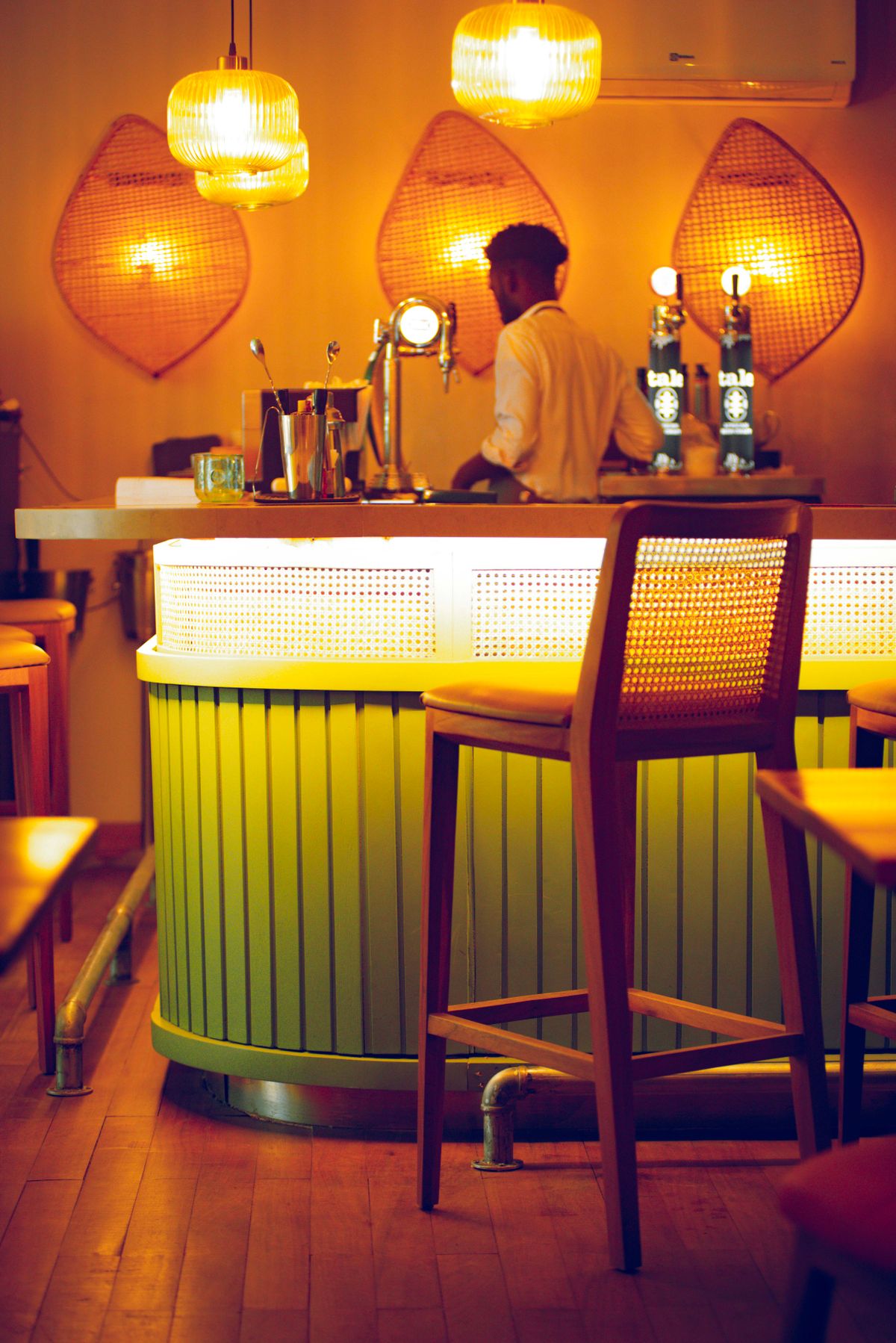
Thieboudienne, yassa, mafe, thiou, dibi and bissap: the Senegalese dishes you must try in Dakar, with the neighbourhoods where to find them, typical price ranges and the best time of day to eat them.
Senegalese dishes you must try in Dakar
A few days in Dakar and you want to eat the real thing? Start with six essentials: thieboudienne, yassa, mafe, thiou, dibi and bissap. One rule shapes the rest: lunch is the main meal of the day here, so plan your best eating around midday rather than dinner.
Thieboudienne, the national dish
Thieboudienne (ceebu jen, "rice and fish" in Wolof) is the dish every Senegalese will name first, and it is listed by UNESCO as intangible cultural heritage. Rice simmers in a tomato broth with fish stuffed with rof (parsley, garlic, mild chilli) and whatever the market had that morning: cassava, carrot, cabbage, bitter aubergine (diakhatou), sweet potato, okra.
Two schools are worth knowing:
- The red one (bou xonq), built on tomato paste, the everyday version in Dakar.
- The white one (bou wekh), tomato free, the Saint-Louis style, milder and often the children's favourite.
It is eaten from one large shared bowl with very cold water on the side. Ask for the xon, the caramelised crust of rice at the bottom of the pot: nobody will mind, and it is the best part. In a neighbourhood eatery expect 1,500 to 3,000 FCFA a plate; in a seafront restaurant, closer to 6,000 to 15,000 FCFA.
Yassa, mafe and thiou: the three great sauces
- Yassa: onions cooked down slowly with mustard, lime and olives, served over white rice with grilled chicken or fish. The safest first meal, never spicy.
- Mafe: a groundnut paste sauce with tomato, beef or lamb, carrot and cassava. Thick and faintly sweet, perfect when January evenings turn cool. Mention any peanut allergy before ordering, as the base cannot be removed.
- Thiou: a tomato stew, looser than mafe, made with chicken, beef or fish and served with rice or millet couscous (thiere).
Staying longer? Add soupou kandja (okra and palm oil), tamarind domoda, and for breakfast ndambe (beans in a baguette) or fonde with curdled milk, both only a few hundred francs.
Dibi, bissap and the evening ritual
Dibi belongs to the night: charcoal grilled lamb, chopped in front of you on kraft paper, with raw onions, mustard and bread. Dibi grills come alive after dark, especially around Liberte 6, Sacre-Coeur, Ouakam and Parcelles Assainies, and you order by the half kilo or kilo.
Skip the soft drinks. Bissap (hibiscus), bouye (baobab fruit), ditakh and ginger juice are sold everywhere, in reused bottles or frozen sachets. If you have just landed, stick to juices served in restaurants or sold chilled from a fridge. And try cafe Touba, peppered with jar spice, drunk standing at a street corner.
Where to eat, neighbourhood by neighbourhood
- Plateau: weekday lunch deals, Senegalese cooking and grills, busiest Monday to Friday.
- Almadies and Ngor: tables facing the ocean, catch of the day, Sunday family lunch mood.
- Point E, Mermoz, Sacre-Coeur: the densest cluster of neighbourhood restaurants, mid range prices, easy delivery.
- Yoff and Ouakam: right by the pirogue landing beaches, very fresh fish, simple settings.
- Pikine, Guediawaye, Keur Massar: the cheapest plate of the day, mostly served between noon and 2pm.
- Rufisque and Diamniadio: a handy stop on the road out of town for grills and daily dishes.
Three traps to avoid. Arriving after 2pm, because the best pots are empty and small kitchens simply close. Relying on a bank card, since many modest places take cash or mobile money only. Ignoring the calendar: Fridays are busier, and during Ramadan the food day shifts to the evening. Fish is at its best in the cool season, roughly November to April.
Recommended addresses on SeneFinder
- Chez Fatou : Almadies
- Exotik Beach : Almadies
- Ge'eza : Point E
- La Parilla : Plateau
- La Terrasse : Corniche Ouest
- le Bazoff : Dakar
To compare more options by neighbourhood and budget, see all addresses for restaurants in Dakar.
Useful tools
- Route planner: group several addresses into one outing.
- Currency converter: turn FCFA prices into euros or dollars.
- Practical guide: transport, useful information and emergency numbers (17, 18, 1515).
- Read next: the best restaurants in Dakar and where to eat thieboudienne in Dakar.
Frequently asked questions
Which Senegalese dish should I try first?
Chicken yassa is the easiest way in: mild, tangy and never hot. Save thieboudienne for a lunch when you have time, because it is a generous dish meant to be eaten slowly.
Is Senegalese food spicy?
It is fragrant rather than fiery. Chilli comes on the side as kani or a hot sauce, so each person adjusts their own plate.
How much should I budget for a Senegalese meal in Dakar?
In a neighbourhood eatery, a dish of the day often costs 1,500 to 3,000 FCFA. In a restaurant with table service and a sea view, plan on 8,000 to 20,000 FCFA per person including a drink.