
Getting around Dakar by public transport
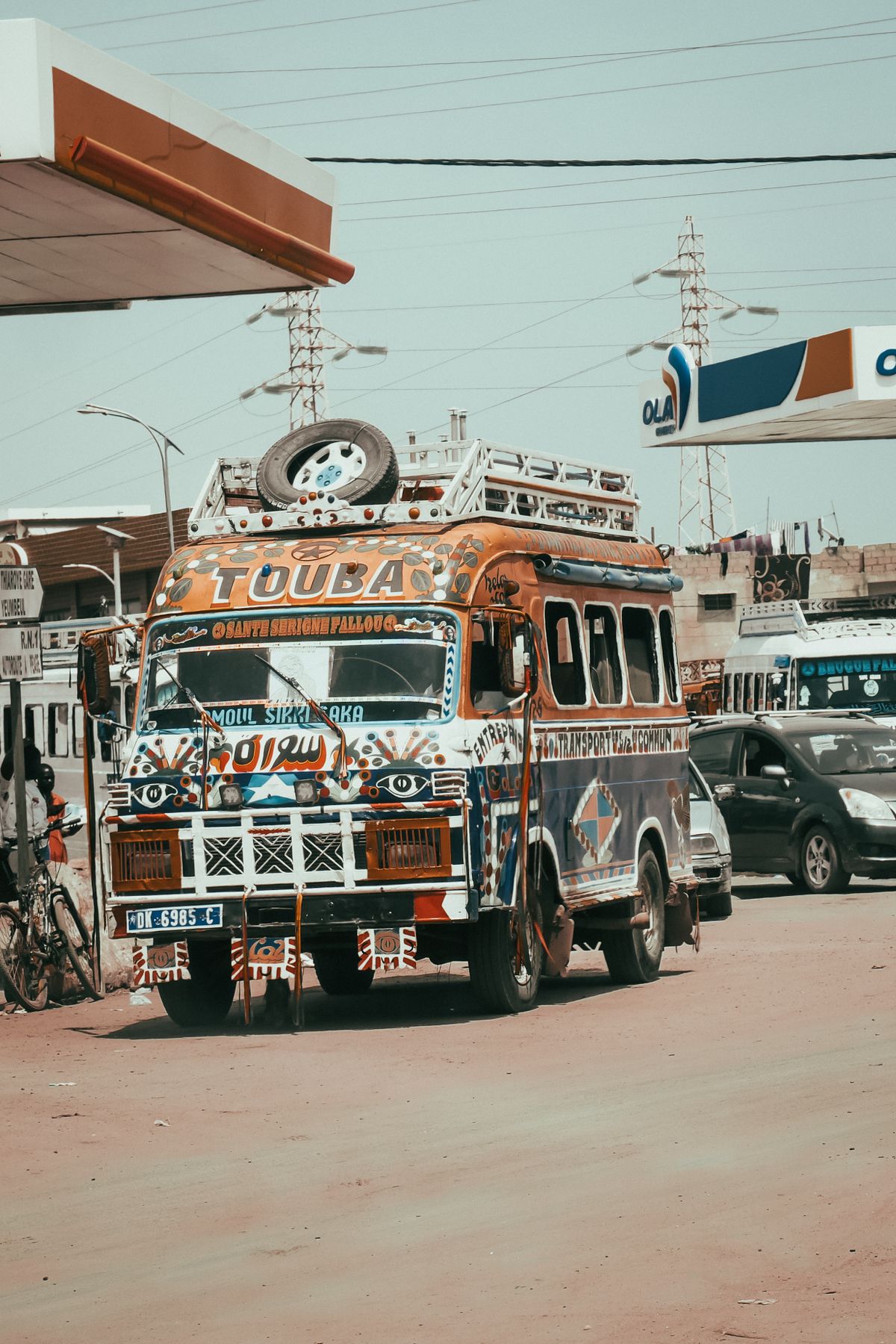
Dem Dikk buses, the BRT, the TER, cars rapides and Tata minibuses: how to choose, what to budget in FCFA and which route fits your Dakar neighbourhood, from Plateau to Parcelles Assainies.
Getting around Dakar by public transport
Dakar sits on a narrow peninsula where almost every road funnels towards Plateau, which is exactly why public transport works so well here. Between Dem Dikk buses, the BRT on the main corridor, the TER commuter train, the old cars rapides and the Tata minibuses, you can usually cross the city for well under a thousand francs. The trick is knowing which service matches your route and what time to catch it.
The main networks: Dem Dikk, BRT, TER
Dem Dikk runs the widest urban bus network. Its lines connect Plateau with Yoff, Ouakam, Liberté 6, Parcelles Assainies, Pikine, Guédiawaye, Keur Massar and Rufisque. Depending on the line you pay in cash or with a rechargeable card. A typical city ride costs roughly 150 to 500 FCFA, more for the long suburban runs.
The BRT uses a dedicated lane along the corridor from Guédiawaye towards the centre, through the densely populated northern districts. At rush hour it is the most predictable way to cross town, because it sits outside the traffic that clogs the VDN and the motorway. You need a card, tapped before boarding, so buy one at your first station.
The TER links Dakar station to Diamniadio, stopping at Colobane, Hann, Thiaroye, Rufisque and Bargny. If you live in the suburbs and work downtown, this is the single biggest time saver on the network. Trains run frequently in the morning and late afternoon, more sparsely at midday.
Cars rapides, Tata minibuses and clandos
The blue and yellow cars rapides are increasingly rare, but they remain part of the city's visual identity. The white and blue Tata minibuses have largely taken over, running numbered routes through Mermoz, Sacré-Cœur, Point E, Grand Yoff, Liberté 6 and the outer suburbs. Fares sit almost always between 100 and 250 FCFA, collected on board by the conductor.
A few practical habits help:
- Call out your destination before boarding so the conductor can confirm the route.
- Carry small notes and coins, large bills slow everyone down.
- Signal well before your stop, buses do not halt automatically.
- Keep your phone in an inside pocket during busy hours.
Clando shared cars and the yellow and black taxis fill in the gaps. With a taxi, agree the fare before you get in, as meters are not used in practice. Plateau to Almadies or Ngor often lands between 2,500 and 5,000 FCFA depending on the hour and the traffic.
What works best from your neighbourhood
- Almadies, Ngor, Yoff: little BRT coverage, plenty of Tata minibuses along the Ngor road and the VDN.
- Plateau, Point E, Mermoz, Sacré-Cœur: the core of the Dem Dikk network, almost everything is reachable by bus.
- Parcelles Assainies, Grand Yoff, Patte d'Oie: the BRT and the Tata lines are the fastest way into town.
- Pikine, Guédiawaye, Keur Massar, Rufisque: take the TER or the BRT in the morning, the road corridors saturate early.
- Diamniadio: the TER, including for administrative appointments.
Timing, seasons and common mistakes
Peak hours run from about seven to nine in the morning and again in the late afternoon. On Friday around midday, traffic builds up near the mosques. During the rainy season, roughly July to October, a heavy downpour can flood junctions and stretch a short trip into something far longer, so leave early and keep a rail option in mind.
Around the Magal and the Gamou, bus stations and the roads towards the interior stay congested for several days. Book intercity travel ahead.
For emergencies, remember 17 for the police, 18 for the fire brigade and 1515 for the ambulance service.
Recommended addresses on SeneFinder
- AIBD Dem Dikk : Dakar, transport service.
- Gambia Transport Service Company : Dakar, transport company.
- Salam Transport : VDN, transport company.
- Saou Transport Dakar : Foire, transport company.
- SENECARTOURS : Foire, transport company.
- Waraba Transport Tamba : Dakar, transport company.
To compare other operators and find one serving your route, you can see all addresses.
Useful tools
- Plan a route to estimate a trip between two neighbourhoods.
- FCFA currency converter if you are arriving from abroad and sizing up your transport budget.
- Practical guide for emergency numbers and everyday information.
- Also read: getting to AIBD airport and our cost of living in Dakar guide.
Frequently asked questions
What is the cheapest way to cross Dakar?
Tata minibuses remain the cheapest option, generally 100 to 250 FCFA per ride. Dem Dikk costs slightly more but offers more comfort and clearly marked stops.
Do I need a card for the BRT or the TER?
Yes, both run on a rechargeable card that you validate before boarding. You can buy and top it up directly at the stations.
Does public transport run in the evening?
Buses and trains thin out noticeably once the evening sets in. After that, a negotiated taxi or a ride hailing app is the simplest option, especially towards Almadies or Ngor.