
Safety in Dakar: practical tips
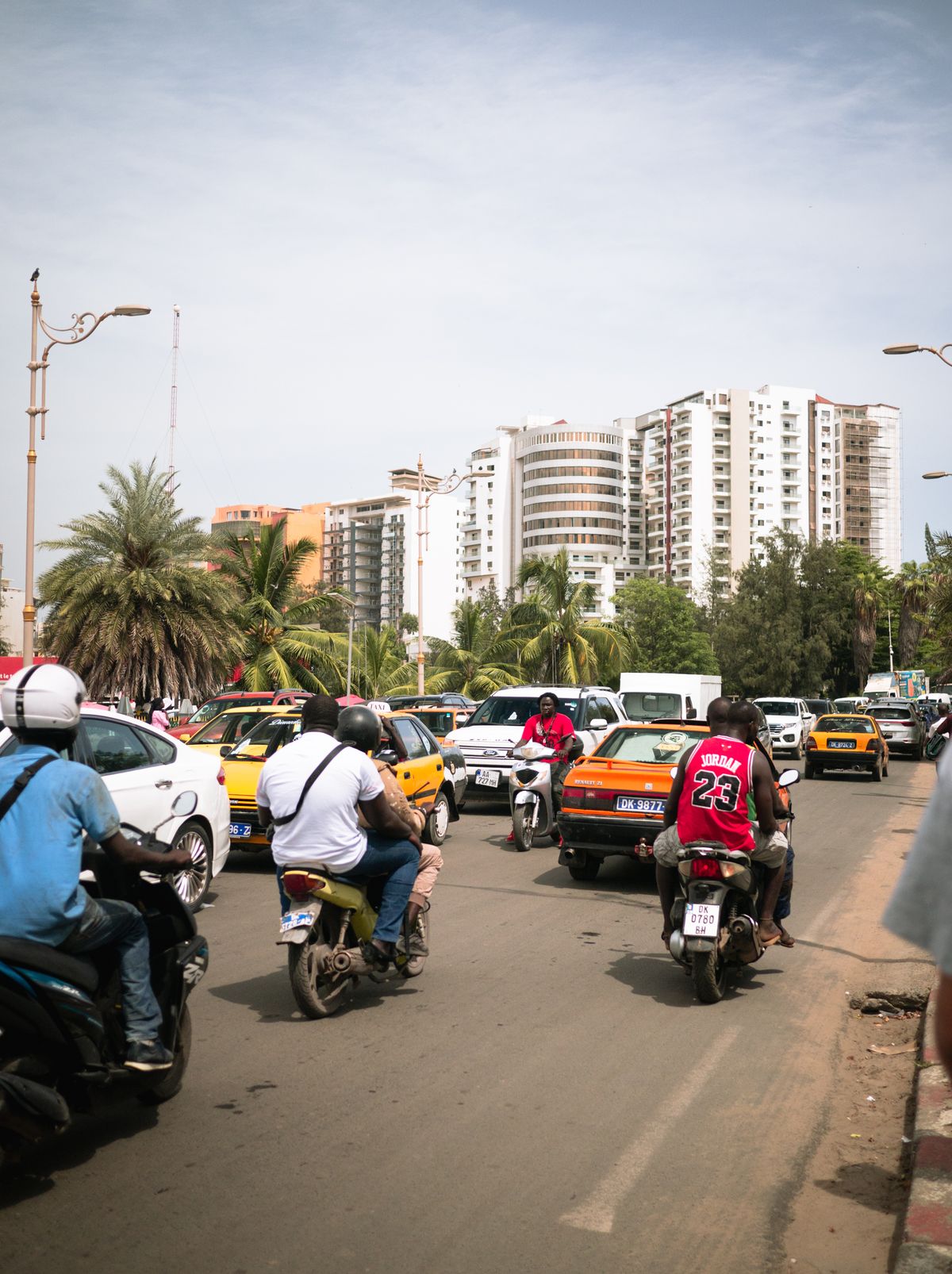
Neighborhoods, nights out, taxis, pickpockets and emergency numbers: a concrete guide to moving around Dakar with peace of mind, whether you are visiting, newly arrived or living here with your family.
Safety in Dakar: practical tips
Dakar is, on the whole, a safe capital: serious crime is rare and petty theft concentrates in a few places and hours. Feeling comfortable here comes down to three habits: knowing the character of each neighborhood, planning how you get home at night, and keeping your phone out of sight in a crowd. Here is what actually matters on the ground, for visitors, newcomers and families.
Neighborhoods: what changes from one area to the next
- Plateau: the business district, busy all day and empty once offices close. Around Sandaga market and avenue Pompidou, keep bags closed and phones pocketed.
- Almadies, Ngor, Yoff: residential and nightlife areas, quiet by day. The attention goes to late journeys home and dim side streets between the main roads.
- Point E, Mermoz, Sacré-Cœur, Liberté 6: family neighborhoods popular with the diaspora. The main risk is a phone snatched from a passing motorbike as you walk near the road.
- Ouakam: narrow lanes running down toward the corniche. Know your route before walking it after dark.
- Parcelles Assainies, Pikine, Guédiawaye, Keur Massar: lively working-class districts, easy to move through by day. In the evening, take a car rather than walking.
- Rufisque, Diamniadio: further out, along fast roads. There the real issue is traffic rather than crime.
One rule covers most of it: crowds protect you by day, isolation exposes you at night.
Nights out: the habits that matter
Dakar stays up late, and its evenings are one of the best things about the city.
- Decide how you are getting home before you go out, not at three in the morning outside a closing venue.
- Do not walk the beaches or the corniche after dark: almost no one passes, and there is very little light.
- Never leave a drink unattended, and refuse an already opened drink from a stranger.
- Carry enough cash for a ride, usually 2 000 to 7 000 FCFA, and leave the rest at home.
- In the rainy season, roughly July to October, flooded streets hide potholes and loose cables.
Taxis and ride-hailing: choosing well
With a yellow-and-black taxi, you agree the fare before getting in, every time. A short hop within one neighborhood is often 1 000 to 2 000 FCFA, while Plateau to the Almadies runs closer to 3 000 to 6 000 FCFA depending on the hour and the traffic. Name your price and walk away if the gap is too wide: another taxi stops within a minute.
- After dark, a ride booked ahead is the easiest option: tracked route, known price, no bargaining.
- At Diass airport, use an identified transport service rather than someone approaching you in the car park.
- Sit in the back, doors locked, bag on the side away from the window.
- Refuse a second passenger picked up without your agreement, and share your live trip with a friend.
Pickpockets: where and how
Theft in Dakar is almost always opportunistic and non-violent.
- Crowded places need the most attention: Sandaga, Tilène and HLM markets, bus stations, and big junctions at rush hour.
- Keep your phone away while walking along a road, especially when stopped in traffic with the window down.
- Wear your bag in front, zip facing you, never on the floor.
- Withdraw cash during the day, from a machine inside a bank branch or a service station.
- Photograph your passport and visa, keep a copy online and the original at home.
Emergency numbers and first moves
- 17: police emergency line.
- 18: fire and rescue.
- 1515: national ambulance service.
If something is stolen, file a report at the nearest police station: your insurer and your embassy will both ask for it. Block your SIM and bank card straight away. For a long stay or a permanent move, an insurance policy and a home security service are common choices in residential neighborhoods.
Recommended addresses on SeneFinder
- IZYCAB GREEN SUARL: transport service, Corniche Ouest.
- Agence Sénégalaise de Sécurité: security company, Amitié area.
- ALLO TAXI AIBD: transport service, Dakar.
- AZUR AUTO VTC: transport service, Foire.
- Azur Protection: security company, Dakar.
- BM BUSINESS ET TRANSIT: transport service, Ouakam.
To compare more providers, you can see all addresses.
Useful tools
- The route planner to prepare a journey in advance.
- The practical guide: emergency numbers, transport and everyday information.
- Our guide to Dakar neighborhoods for choosing where to stay.
- Our comparison of insurance options in Dakar for theft, health and vehicle cover.
Frequently asked questions
Is Dakar safe for a first visit?
Broadly yes. The most common incidents are snatched phones and bags, largely avoidable with a little discretion and a planned way home at night.
Can you walk around Dakar at night?
On busy, well lit streets, yes. Avoid the corniche, the beaches and empty side streets after dark, and take a taxi or a booked car for longer trips.
Which number should I call in an emergency in Dakar?
Dial 17 for the police, 18 for fire and rescue, and 1515 for the national ambulance service. Then inform your insurer and, if needed, your embassy.