
Surfing in Senegal: the best spots
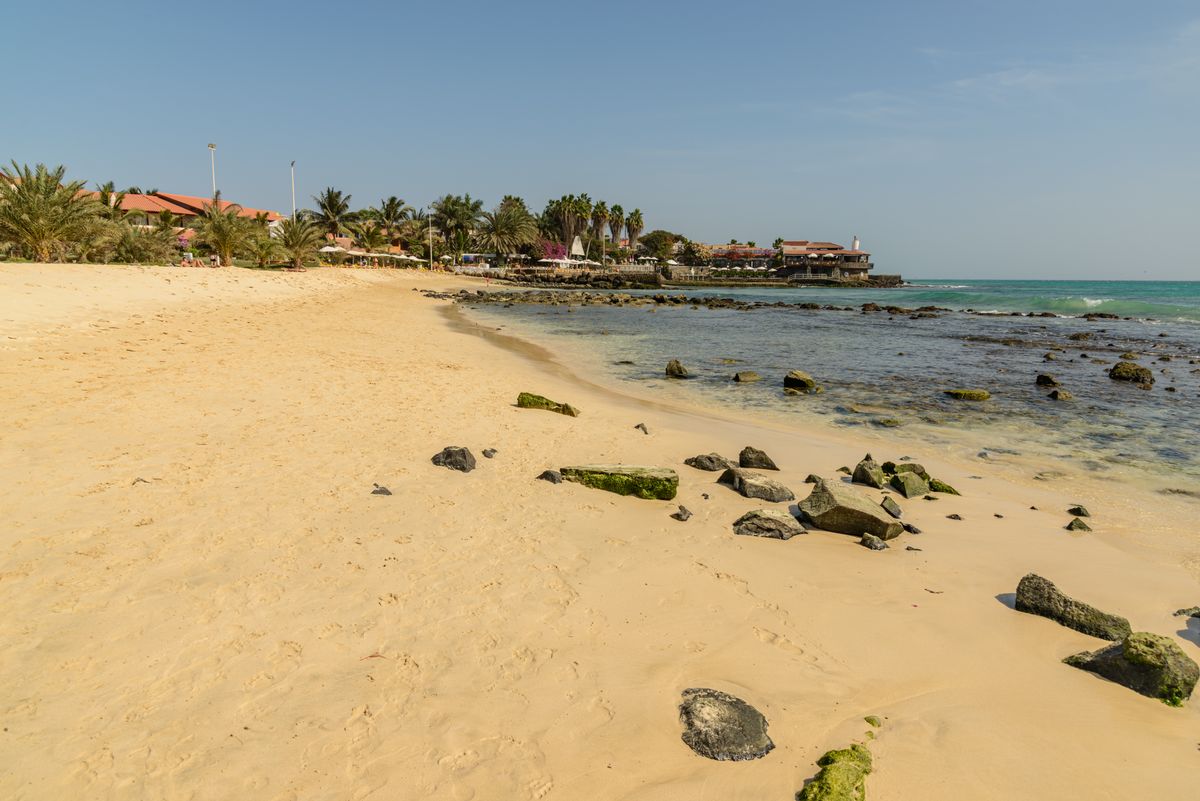
Ngor, Yoff, Ouakam, Almadies: where to surf in Dakar depending on your level, when to come, what a board or a lesson costs, and how to avoid the classic beginner mistakes.
Surfing in Senegal: the best spots
Dakar sits on a peninsula at the westernmost point of Africa, catching swell from both the north and the south Atlantic. The result is waves almost all year round, twenty minutes from downtown, with mellow beach breaks and world-class reef rights on the same coast. Here is where to go, when, and what it costs.
Two coastlines, two seasons
- The north side (Yoff, the bay side of Ngor, Camberene) picks up north Atlantic winter swell. It fires from November through March or April, often with clean mornings and offshore wind.
- The south side (Ouakam, the western Almadies, and the spots out towards the point) works on southern swell, mostly from April to October. Smaller on average, but remarkably consistent.
In practice there is nearly always something ridable somewhere on the peninsula. When the north goes flat, you drive fifteen minutes and surf the south. That is what makes Dakar a real surf destination rather than a stopover.
Spot by spot
Ngor
Where Senegalese surfing started, with two distinct zones:
- Ngor Right, off the island, a reef right made famous by 1960s surf films. It needs north swell and a solid level of experience: rocky bottom, and a crowd on the good days.
- Ngor Left, on the other side of the island, shorter and hollower.
You reach the island by pirogue from Ngor village beach, usually 1,000 to 2,000 FCFA for the round trip.
Yoff
A long sandy beach busy with fishermen, runners and families. The beach break is far more forgiving, which makes it the neighborhood to learn in: easy paddle out and several surf schools. One rule, never sit in the lane the fishing pirogues use to launch.
Ouakam
The postcard shot of Senegalese surfing, a wave peeling below the cliffside mosque. A demanding reef break with a technical entry and real current, for confident surfers only. The walk down is worth doing even without a board.
Almadies and the western point
The Almadies holds several reef peaks, the most reliable option during the southern swell season. It is also the best equipped neighborhood for food and accommodation, handy for a dawn session followed by lunch facing the ocean.
Seasons, gear and budget
- November to March: the prime window. North swell, water around 20 to 22 C, a shorty or a top is welcome early.
- April to October: warm water, boardshorts are fine, smaller waves that are ideal for progressing.
- Board rental: commonly 5,000 to 15,000 FCFA per day.
- Lessons, group or private: generally 10,000 to 30,000 FCFA per session, gear included.
- Taxis from Almadies to Ngor or Yoff: around 2,000 to 4,000 FCFA, agreed before you get in.
A few habits that save trips: bring a fresh leash, rinse your board in fresh water after every session, never leave belongings unattended on the sand, and ask local surfers about currents before paddling out on an unfamiliar reef. Emergency numbers are 17 for the police, 18 for the fire brigade and 1515 for medical emergencies.
Surf schools
Clubs are concentrated in Yoff, Ngor and the Almadies, offering hourly lessons, multi-day camps, rentals and sometimes accommodation. Pick a place that gives you a soft-top board, a vest, and an instructor who stays in the water with you. A generation of young Senegalese surfers now teaches professionally, and booking with them is the fastest way to learn how the local currents behave.
Recommended addresses on SeneFinder
- Alkimia : Almadies, restaurant
- Casa Teranga : Almadies, restaurant
- Chez Fatou : Almadies, restaurant
- Exotik Beach : Almadies, restaurant
- Le Cabanon : Almadies, restaurant
- Chez Agnes Hotel Restaurant : Yoff, hotel and restaurant
To plan the hours between sessions, you can see all addresses.
Useful tools
- Route planner to link Ngor, Ouakam and the Almadies without losing an hour in traffic.
- FCFA currency converter to price up a camp or a weekly rental.
- Practical guide: emergency numbers, transport and the essentials on arrival.
- Also worth reading: the most beautiful beaches in Senegal and our guide to the Yoff neighborhood.
Frequently asked questions
When is the best season to surf in Dakar?
November to March brings north swell and the most powerful, consistent waves at Ngor and Yoff. From April to October the southern coast takes over, with warmer water and gentler conditions that suit beginners.
Can a complete beginner learn to surf in Dakar?
Yes. Yoff is the best place to start thanks to its sandy bottom and softer waves, and several schools there provide lessons and soft-top board rentals.
Do I need a wetsuit to surf in Senegal?
In winter a shorty or a neoprene top is plenty, since the water rarely drops below 20 C. From June to October, boardshorts or a rash vest are all you need.