
FCFA exchange rate to euro and dollar in Dakar
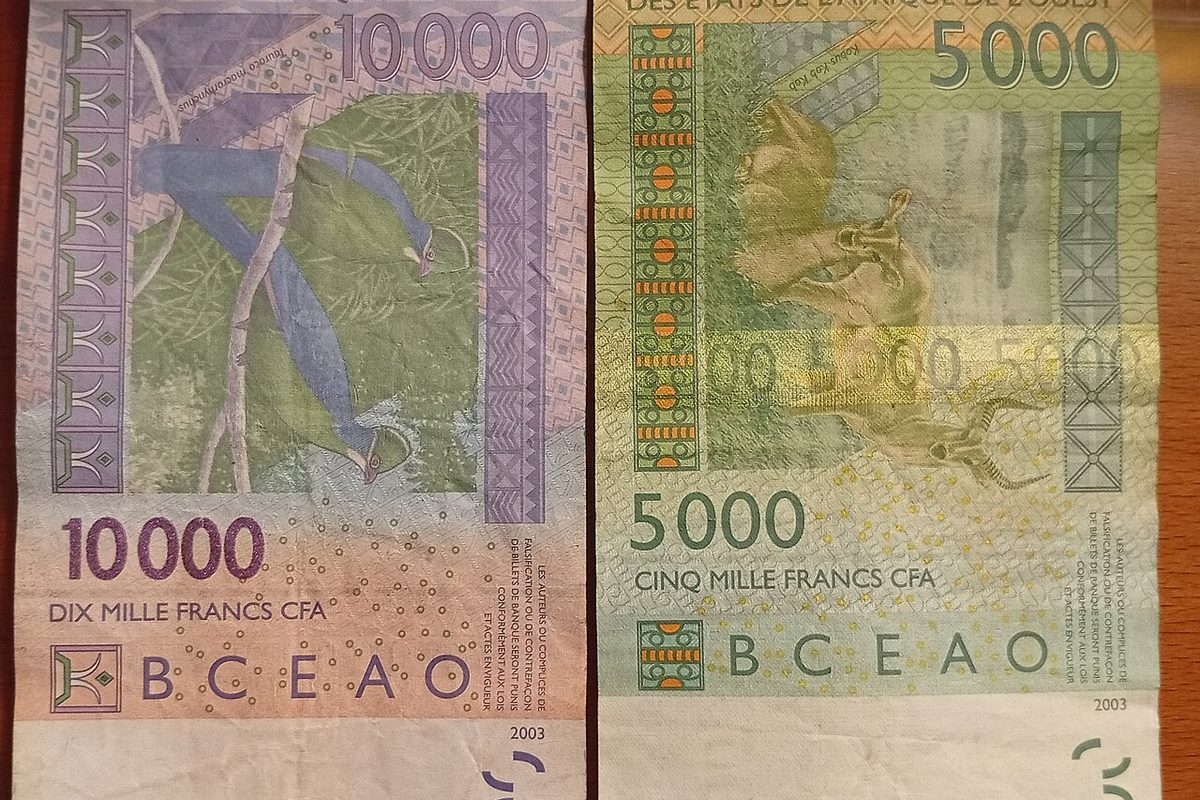
The CFA franc is pegged to the euro at a fixed rate of 655.957 FCFA, while the dollar moves daily. Here is how to convert, where to exchange in Dakar and which fees to watch.
FCFA exchange rate to euro and dollar in Dakar
The West African CFA franc is pegged to the euro at a fixed rate: 1 euro = 655.957 FCFA. That number never moves, whatever the day or the season. The US dollar is a different story: it floats, so its value in FCFA shifts from week to week and directly affects your budget if you land in Dakar with dollars in your pocket.
The fixed euro peg: mental maths that actually works
Because the peg is fixed, you can convert without opening an app. The landmarks worth memorising:
- 1 euro = 655.957 FCFA, round it to 656 FCFA
- 5,000 FCFA is just under 8 euros
- 10,000 FCFA is roughly 15 euros
- 100,000 FCFA is roughly 152 euros
The fastest trick: divide the FCFA amount by 1,000, then multiply by 1.5. A 3,500 FCFA plate of thieboudienne is therefore about 5.3 euros. Going the other way, multiply your euros by 650 and you land within 1 percent of the real figure.
One caveat: a fixed peg does not mean free exchange. Banks and bureaux apply a margin, so you will always receive slightly less than 655.957 FCFA per euro. On several thousand euros, it is worth comparing counters.
The dollar: a rate that genuinely moves
The dollar has no peg to the CFA franc. Its value is derived from the euro to dollar rate, then mechanically converted into francs. Over recent years a dollar has traded roughly between 550 and 640 FCFA. On a multi-thousand dollar trip budget, that spread is worth tens of thousands of francs.
What that means in practice:
- Check the day rate before changing a large amount, not yesterday's figure.
- Split your exchanges across your stay if you are here for several weeks, so you average out the swings.
- Large notes of 50 and 100 dollars usually get a better rate than small bills, and torn or very old notes are sometimes refused outright.
- Pounds sterling and Canadian dollars can also be exchanged, with wider margins.
For an exact figure, use the FCFA currency converter rather than a rate you memorised months ago.
Where to change money in Dakar, area by area
Downtown Plateau is still the exchange hub: banks, branches and bureaux sit within a few blocks, so you can compare several counters on foot in half an hour. It is the most practical place for a serious sum during business hours.
In residential and diaspora-heavy areas such as the Almadies, Ngor, Ouakam, Mermoz, Yoff, Point E and Sacre-Coeur, you will mostly find bank branches, ATMs and money transfer counters. Rates are fair, but cash exchange desks are thinner on the ground than in Plateau.
Around Liberte 6, Parcelles Assainies, Guediawaye, Pikine, Keur Massar and Rufisque, the network leans towards transfers and mobile money rather than banknote exchange. For families receiving money from relatives abroad, that route is usually faster and much closer to home.
At Diass airport, out past Diamniadio, and in large hotels, you can change money at any hour, but the margin is typically the least generous you will see all trip. Change only what you need there, enough for a taxi and a first meal, then top up in town.
Fees, traps and good habits
- Decline dynamic currency conversion. If an ATM or a card terminal offers to bill you in euros or dollars instead of FCFA, always pick FCFA. The on-the-spot conversion is usually the more expensive one.
- Count the withdrawal fees. ATMs often charge a flat fee per transaction on top of what your home bank takes. One large withdrawal beats five small ones.
- Ask for the net amount, commission included, before handing over your notes.
- Keep small notes. A 10,000 FCFA bill is hard to break with a taxi driver or a fruit seller.
- Avoid street exchange. The quoted rates look great, but counterfeit notes, miscounting and theft are real risks. If something goes wrong, the police line is 17.
- Plan around public holidays and weekends: queues grow before Tabaski and Korite, and ATMs run dry faster than usual.
Recommended addresses on SeneFinder
- No listing is attached to this article yet: start from the search page Money & Finance in Dakar on SeneFinder, which gathers banks, exchange bureaux and transfer points, and check the up-to-date listings before crossing town.
By neighbourhood or type of service, you can also see all addresses.
Useful tools
- FCFA currency converter for an exact amount in euros or dollars.
- Route planner to plan your trip to Plateau or the Almadies.
- Practical guide for emergency numbers and transport basics.
- Also worth reading: the best banks in Dakar and the Wave and Orange Money guide.
Frequently asked questions
Does the euro to FCFA rate change from one bureau to another?
The official peg stays fixed at 655.957 FCFA per euro, but every institution adds its own margin. The net amount you walk away with therefore varies slightly between counters.
Should I bring euros or dollars to Senegal?
Euros are simpler because the rate is known in advance, with no surprises. Dollars are widely accepted too, especially in large denominations, but their value in francs moves from day to day.
Can I pay directly in euros in Dakar?
Some hotels and tourist-facing businesses accept euros, but the rate they apply is rarely in your favour. Paying in FCFA, in cash or by card, works out cheaper.