
Universities for international students in Dakar
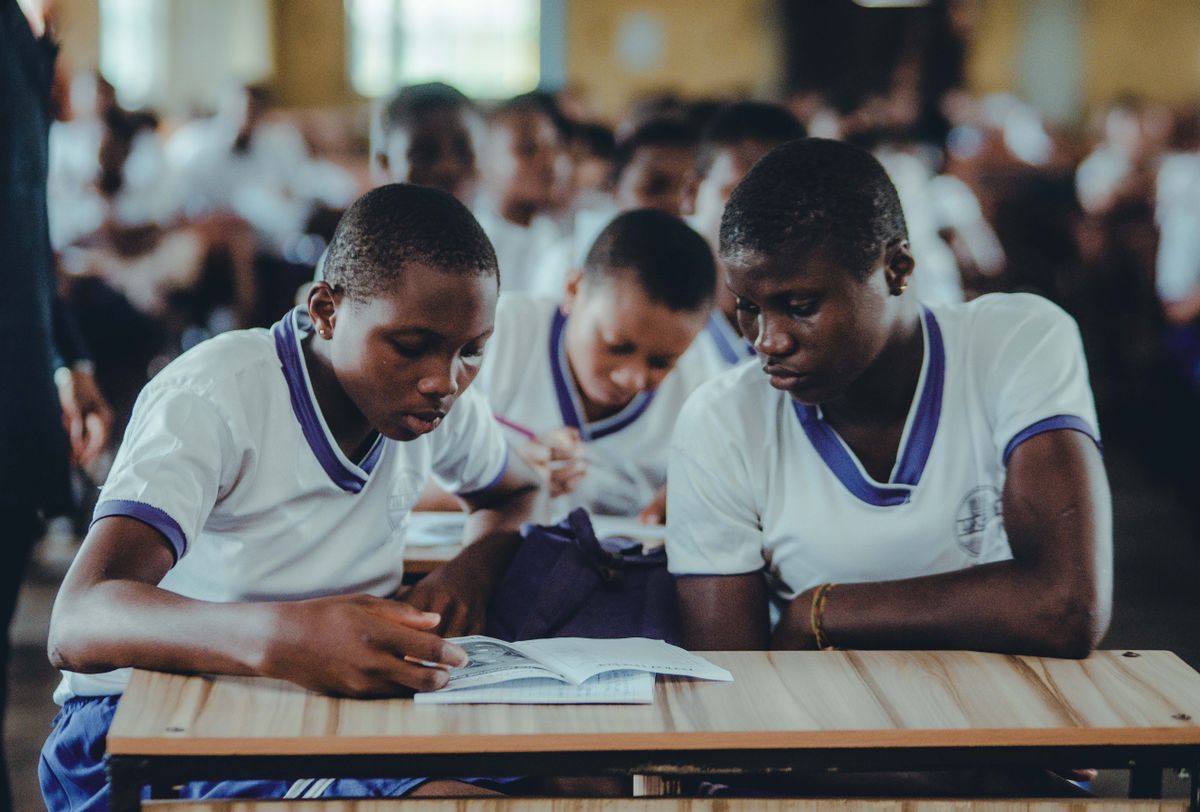
Admission, student visa, housing and cost of living: a practical guide to universities for international students in Dakar, neighborhood by neighborhood, with realistic budget ranges in FCFA.
Universities for international students in Dakar
Dakar welcomes students from across West Africa, Europe and North America every year. The city mixes large public universities with smaller private and faith based institutions, and living costs stay moderate next to European capitals. Here is what to prepare before you fly: the admission file, student visa and residence permit, housing, and a realistic monthly budget.
Choosing a university and applying
Three groups dominate. Public universities teach law, humanities, sciences and medicine at very low tuition, with large cohorts and crowded lecture halls. Private and faith based institutions, often on the Plateau or in the outskirts, run smaller classes and a tighter calendar for higher annual fees. Specialised schools in architecture, management, engineering and health recruit on file, sometimes on exam.
A typical international application includes:
- transcripts and your secondary school diploma, with certified French translation if needed;
- a diploma equivalence certificate, requested early because processing takes time;
- birth certificate, ID photos and a passport copy;
- a motivation letter, plus a CV or research proposal at master's level;
- proof of payment of the application fee.
Applications usually open in spring for a year starting between October and November. Apply early: the admission letter unlocks everything else, visa included. Most programmes are taught in French, so a solid B2 level makes the first semester far easier.
Student visa and residence permit
Citizens of ECOWAS member states enter with a valid national ID and no visa. Other nationalities should check entry requirements with the Senegalese diplomatic mission before booking.
Staying beyond three months means applying for a residence permit: valid passport, enrolment certificate, proof of address (lease or host attestation), police record extract, ID photos and tax stamp. Allow several weeks between filing and collection, so start as soon as you land. Our guide to the Senegalese residence permit walks through each stage.
Also worth arranging: health insurance covering Senegal, and a local bank account once the permit is issued.
Where to live, neighborhood by neighborhood
Housing is the biggest expense and the most strategic choice: Dakar sits on a peninsula where rush hour journeys stretch out.
- Point E, Mermoz, Sacre-Coeur, Liberte 6: the student belt, close to central campuses, plenty of shared flats, mid to high rents.
- Plateau: handy downtown, but mostly family apartments at firm prices.
- Ouakam, Yoff, Ngor, Almadies: greener, near the ocean; the Almadies are the priciest area.
- Parcelles Assainies, Grand Yoff, Pikine, Guediawaye, Keur Massar: gentler budgets and strong neighborhood life, in exchange for a commute.
- Rufisque and Diamniadio: useful on the eastern axis, with the regional train.
Indicative ranges: a shared flat room between 60,000 and 120,000 FCFA a month, a furnished studio between 120,000 and 250,000 FCFA, a decent one bedroom between 200,000 and 400,000 FCFA. Expect a deposit of one to three months, sometimes an agency fee. Negotiation tips are in our article on renting an apartment in Dakar.
Monthly budget and daily life
A student who cooks at home and uses shared transport typically lives on 200,000 to 350,000 FCFA a month, housing included when sharing. A street canteen meal costs a few thousand francs, a city bus ride a few hundred, a monthly mobile data plan the low tens of thousands.
Seasons matter. Rains from July to October flood some streets, so look twice at ground floor rentals; the cooler dry months from December to February are the easiest time to settle in. Keep the emergency numbers handy: 17 police, 18 fire services, 1515 medical.
Recommended addresses on SeneFinder
- Université Catholique De L' Afrique De L' Ouest ( UCAO ): higher education institution on the Plateau.
- Universite Cheikh Anta Diop (UCAD): university in Dakar.
- Université Kocc Barma: university on the Island of Saint-Louis.
- Middle School University Architecture De Dakar: architecture school in Dakar.
- Notre Dame Du Cap-Vert: education institution in Pikine.
- UCAO ISAE-Thies: higher education institution in Thies.
More campuses and institutes are listed: see all addresses.
Useful tools
- Route planner: test the commute between a flat and your campus before signing.
- FCFA currency converter: convert tuition and rent from your home currency.
- Practical guide: emergency numbers, transport and arrival essentials.
- Also worth reading: international schools in Dakar if you move with family.
Frequently asked questions
Do I need a visa to study in Dakar?
ECOWAS nationals enter with a valid national ID and no visa. Other nationalities should confirm entry rules with the Senegalese diplomatic mission, then apply for a residence permit for any stay longer than three months.
How much does an international student need per month?
Sharing a flat and cooking at home, 200,000 to 350,000 FCFA a month covers housing, food, transport and phone. Areas such as the Almadies or Ngor push that figure up quickly.
Which neighborhood suits a student based in central Dakar?
Point E, Mermoz, Sacre-Coeur and Liberte 6 balance campus proximity with available shared flats. For lower rent, look at Parcelles Assainies or Grand Yoff.