
Living in Dakar: pros and cons, an honest guide
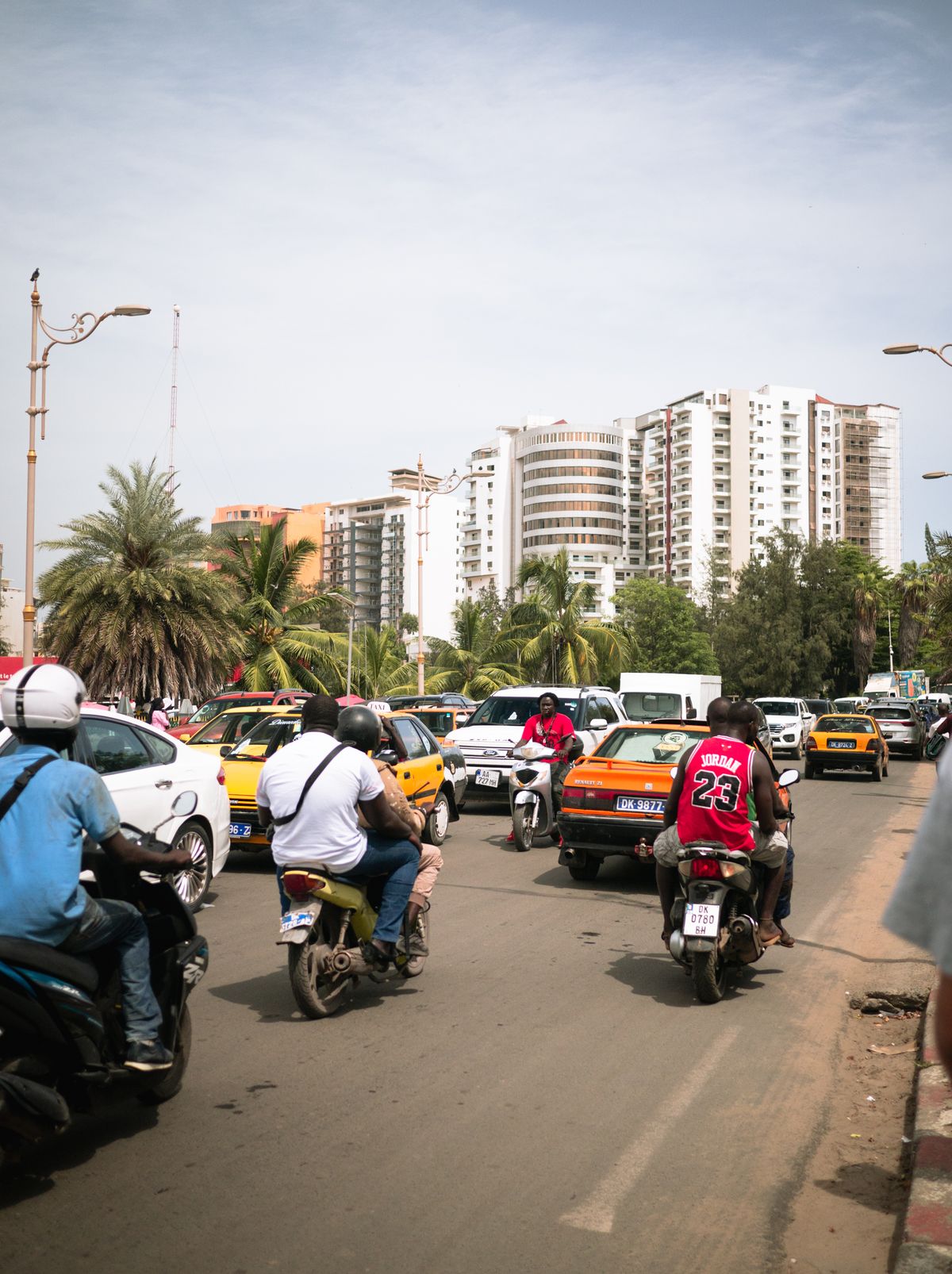
Teranga, the ocean and a buzzing city, but also traffic, high rents, heat and power cuts: an honest look at living in Dakar, with neighbourhoods and practical tips for settling in.
Living in Dakar: pros and cons, an honest answer
Living in Dakar means embracing an intense mix: remarkable warmth from people, the ocean on almost every side and a city that never slows down, but also exhausting traffic, high rents and the occasional power cut. Here is what you really need to know before moving, whether you are an expat, a member of the diaspora returning home or a local family planning a move.
The real advantages of life in Dakar
- Teranga every day: Senegalese hospitality is not a marketing line. Neighbours invite you to share thieboudienne and newcomers rarely stay isolated for long.
- The sea is everywhere: from the Corniche Ouest to the beaches of Ngor, Yoff and Ouakam, you can swim, jog or watch the sunset after work. Gorée and Ngor Island are a short boat ride away.
- A dynamic city: start-ups, construction sites, music, wrestling and festivals. The TER train, the BRT bus line and Diamniadio have reshaped the region.
- A rich social life: naming ceremonies, weddings, afterwork drinks in Almadies, neighbourhood football, group workouts on the Corniche.
- Mild weather for part of the year: from December to April, temperatures usually stay between 20 and 28 °C.
The downsides nobody warns you about
- Traffic jams: at rush hour, getting from Pikine to Plateau can take more than ninety minutes. The VDN, the toll motorway and the Rufisque road stay congested.
- Housing costs: A two-bedroom flat often rents for 250,000 to 450,000 FCFA a month in Mermoz or Sacré-Cœur, and much more in Almadies or Ngor, where furnished villas easily exceed 1,000,000 FCFA. In the suburbs, such as Keur Massar or Guédiawaye, expect roughly 80,000 to 180,000 FCFA.
- Heat and humidity: from July to October, the rainy season brings sticky heat, heavy downpours and sometimes flooding.
- Noise: horns, building work, sheep before Tabaski, calls to prayer, sound systems at family ceremonies. Light sleepers should visit a property in the evening.
- Outages: electricity and water can go off for a few hours. An inverter and a water tank are part of the basic kit.
Which neighbourhood suits you
- Almadies, Ngor, Mamelles: seafront, expats, restaurants and the highest rents.
- Point E, Fann, Mermoz: central and quiet, close to schools and the university, a solid choice for families and young professionals.
- Plateau: the administrative and business district, busy by day, calmer at night.
- Sacré-Cœur, Liberté 6, Ouakam: lively residential areas, more affordable and well served by buses and the BRT.
- Yoff and Parcelles Assainies: Yoff for sea access, Parcelles for a popular atmosphere and moderate rents.
- Pikine, Guédiawaye, Keur Massar, Rufisque, Diamniadio: for tighter budgets or families who want more space, provided you accept longer commutes.
To compare listings, browse the real estate agencies in Dakar listed on SeneFinder.
Practical tips for settling in
- Visit in person, or ask a trusted relative to do it. Be wary of listings that look too good.
- Budget for deposit and advance: landlords often ask for two to three months as a deposit, one or two months in advance, and agencies may charge a fee equal to one month's rent.
- Check the basics: the electricity meter, water pressure, waterproofing before the rains and the condition of the air conditioners.
- Think commute first: pick your home based on your workplace and your children's school.
- Insist on a written lease and keep a receipt for every payment.
Recommended addresses on SeneFinder
- Dakar Relocation et Services Immo : real estate agency, VDN
- Carré d'Or Immobilier : real estate agency, Cité Keur Gorgui
- Keur Immo : real estate agency, Dakar
- Dakar Real Estate Agency : real estate agency, Point E
To go further, see all addresses in this category or explore the Dakar directory.
Useful tools
- Route planner to test your daily commute before signing a lease
- FCFA currency converter to compare rents with your budget
- Practical guide: emergency numbers, transport and everyday information
- Further reading: the best neighbourhoods to live in Dakar and our guide to moving to Dakar from the diaspora
Frequently asked questions
How much does it cost to live in Dakar?
A single person in a central neighbourhood should generally budget 400,000 to 700,000 FCFA a month, rent included. A family in Almadies will spend considerably more.
What is the best neighbourhood for families in Dakar?
Point E, Mermoz, Sacré-Cœur and Liberté 6 offer a good balance of calm, schools and access to the city centre. Families on a tighter budget often look at Keur Massar, Rufisque or Diamniadio.
When is the best time to move to Dakar?
The dry season, from November to May, makes viewings and moving much easier. Avoid the rainy season from July to October if you can, as heat, rain and flooding complicate everything.