
Buying a Used Car in Dakar: Practical Guide
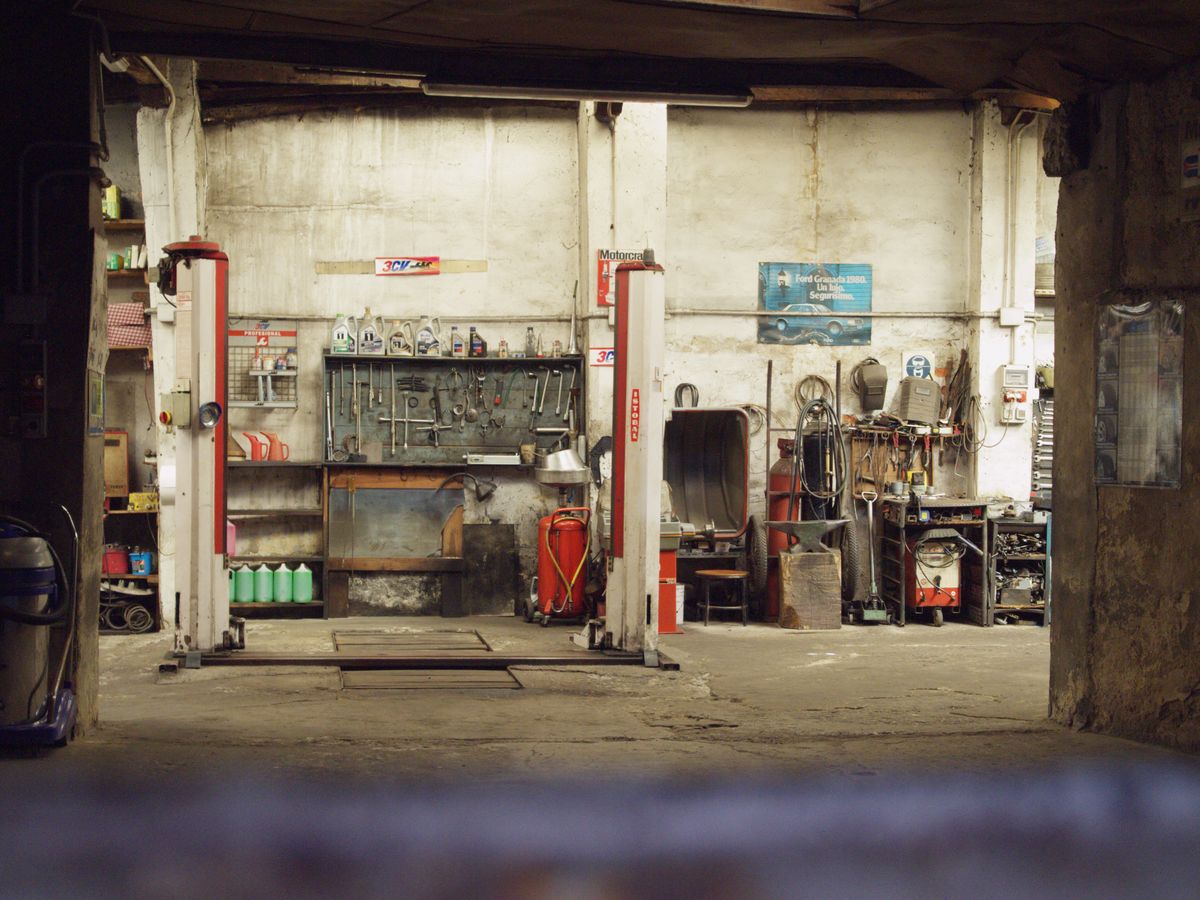
Imported venant or local car, registration transfer, mechanical inspection, real budget and the classic scams: what you need to know before buying a used car in Dakar.
Buying a Used Car in Dakar: What to Check First
Finding a used car in Dakar takes a few days. Finding a good one takes a method. The market mixes freshly imported vehicles, known here as venants, with cars that have spent ten years on the corniche, and the price tags often look identical even when the condition is not.
Imported venant or locally driven car?
A venant is a vehicle imported, usually from Europe, that has never been registered in Senegal. A local car has lived through potholes, VDN traffic and the salty air of Ngor and Yoff that quietly eats away at the sills.
- Venant: stronger mechanical base, but watch for rolled-back odometers.
- Local car: traceable history, available parts, a mechanic who already knows the model.
- Golden rule: stick to models that are everywhere here. A common sedan or compact SUV can be fixed from Hann Maristes to Pikine, while a rare model sits immobilised for weeks waiting on one part.
Where to look, depending on who you are
Dealerships and newer vehicles cluster around the Almadies, Ngor, the VDN and the Route de Rufisque. The Plateau, Point E, Mermoz and Sacré-Cœur generate most of the private sales.
- Newcomer: buy from an identifiable professional, even at a slightly higher price.
- Local family: private sales in Liberté 6, Ouakam or Parcelles Assainies offer the best value, if the car is independently inspected.
- Diaspora on a short visit: do not compress the purchase into three days: have a relative shortlist cars, then confirm on site.
- Tight budget: Guédiawaye, Keur Massar and Rufisque offer older vehicles, often repairable.
The mechanical inspection pays for itself
Never pay before a garage visit, and make it your garage, never the seller's. A full inspection usually costs 15,000 to 40,000 FCFA.
- Rust on the sills and chassis, very common near the coast.
- Gearbox and clutch, tested cold and then on a real road test.
- Cooling system and air conditioning, essential from April to October when the heat settles in.
- Accident repairs: paint mismatches, resprayed bolts, doors that close poorly.
- Electronic scan to reveal fault codes that were cleared.
Drive for at least twenty minutes, fast stretch and rough road included: worn suspension announces itself on the first speed bump.
Registration transfer and classic traps
The mutation transfers the carte grise into your name. Until it is done, the car legally belongs to the seller, with everything that implies after a fine or a crash.
- Insist on the original carte grise, the seller's ID and a signed certificate of sale.
- Check that the stamped chassis number matches the paperwork.
- Make sure no loan or lien is attached to the vehicle.
- Start the transfer immediately, not "later", and budget for the administrative fees.
The most common traps: tampered odometers, cars rebuilt after a crash, sellers who are not the owner, a deposit demanded "to hold the car". A seller who refuses an independent inspection, or pushes hard for immediate cash, has told you what you need to know.
Building a realistic budget
The asking price is never the final price. Add the transfer, mandatory insurance, then catch-up servicing: oil, filters, tyres, brake pads and battery, often 150,000 to 400,000 FCFA in the first year. Negotiation room runs around 5 to 15 percent, more on a car that has been sitting unsold. Keep a cash reserve: a used car that looks perfect on paper almost always needs one repair within three months.
Recommended addresses on SeneFinder
- Automeca garage Sénégal : car garage in the Almadies
- Autorent Occasions : used vehicle sales, Route de Rufisque
- DAS - Dakar Auto Service : auto service in Dakar
- Djoloff Moto : two-wheelers and automotive in Dakar
- Froid Auto Centenaire : automotive air conditioning in Dakar
- Garage Teranga Automobiles Maristes : car garage in Hann Maristes
More automotive professionals are listed across the city: see all addresses.
Useful tools
- Route planner to chain your viewings across Dakar in one trip.
- FCFA currency converter if you arrive with a budget in euros or dollars.
- Practical guide for emergency numbers and transport information.
- Also worth reading: importing a car into Senegal and car rental in Dakar.
Frequently asked questions
Is an imported venant better than a local used car?
A venant usually has a stronger mechanical base, while a local car offers a verifiable history. The deciding factor is whether spare parts for that model are easy to find in Dakar.
How long does the registration transfer take?
It depends on the file and the season, generally from a few days to a few weeks. Never take possession of the vehicle without starting the procedure and keeping a copy of the signed certificate of sale.
How do I avoid a tampered odometer?
Cross-check the displayed mileage against real wear: pedals, steering wheel, seats, tyres and the service book. An electronic diagnostic at an independent garage remains the most reliable check.