
Car Dealerships in Dakar: The Buyer's Guide
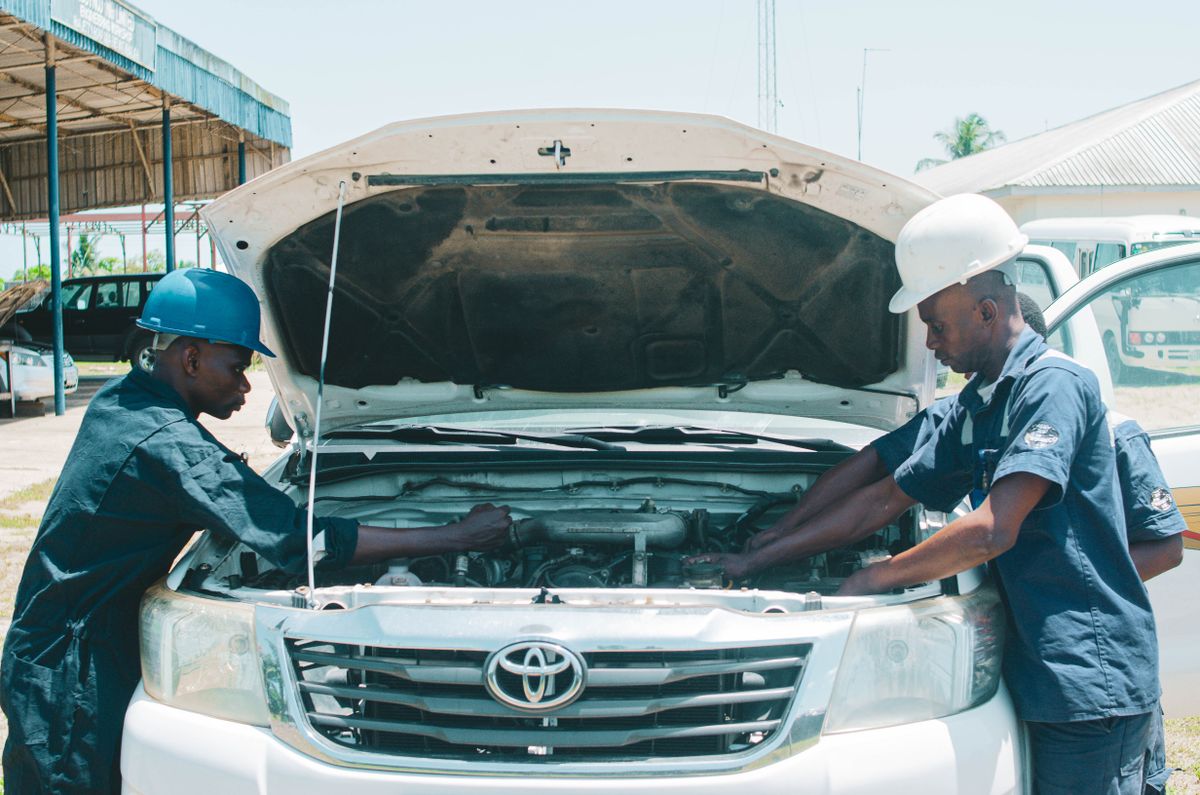
New or used, available brands, bank financing and warranty: what you need to know before buying a car from a dealership in Dakar, from Plateau to the Almadies.
Car Dealerships in Dakar: What to Know
Buying a car in Dakar comes down to three things: the sticker price, how easily you can find spare parts, and how protected you are for the first two years. Official dealerships cluster along Plateau, the Route de Rufisque and the Almadies coast road, while used-car lots run from Liberté 6 out to Keur Massar. Here is how to choose.
New versus used: match the car to your actual use
Buying new makes sense if you drive long distances, need clean invoicing for a company, or want a genuine manufacturer warranty. The trade-off is heavy first-year depreciation and waiting times that can stretch to several months when a specific colour or trim has to arrive by ship.
Used vehicles still dominate the market, in three broad categories:
- Dealer-certified used cars, serviced before sale and often carrying the remaining factory warranty or an in-house one of a few months.
- Imported used cars from Europe or the Gulf, sold by specialist lots, many along the Route de Rufisque.
- Private sales, the cheapest route but with no recourse if something goes wrong.
A useful rule: on a car older than five years, annual maintenance often outweighs the purchase-price saving. Run the numbers over three years, not over signing day.
Brands you will actually find in Dakar
Asian brands dominate: Toyota, Hyundai, Kia, Nissan, Suzuki and Mitsubishi. Their decisive advantage is parts availability at wholesalers and in the workshops around Colobane and Liberté 6. French brands, Peugeot, Renault, Citroën and Dacia, are equally well established.
German and premium marques are present, mainly around the Almadies and Ngor, but ask the parts question first: one uncommon sensor can keep a car off the road while the order travels from abroad. For family use between Mermoz, Point E and Plateau, a very common model costs far less to run than a rarer, better-equipped one.
For trips inland towards Saint-Louis or Casamance, ground clearance matters more than horsepower, which is why compact SUVs and pick-ups sell so well.
Financing: bank loans, lease-to-own or instalments
Three routes are common in Dakar:
- A bank car loan, typically requiring a down payment of around 20 to 30 % of the price over three to five years, with payslips or company accounts as supporting documents.
- Lease with a purchase option, offered by some dealerships to companies and professionals, sometimes with servicing bundled in.
- Direct instalment plans with the seller, common on used cars. Insist on a written contract stating the schedule, the total amount and what happens if a payment is late.
Budget for the extras too: registration, plates, insurance and the first technical inspection, easily a few hundred thousand FCFA on top. Comprehensive cover, effectively mandatory on a financed car, costs considerably more than basic third-party insurance. Diaspora buyers should also factor in the exchange rate and transfer fees.
Warranty and pitfalls to avoid
A warranty is only worth something if it is in writing and states its duration, mileage limit and exactly what it covers. A six-month engine-and-gearbox warranty is genuinely useful; a verbal promise is worth nothing.
Habits that prevent bad surprises:
- Have the car inspected by an independent mechanic before paying, even at a dealership.
- Cross-check the odometer reading against pedal wear and the service book.
- Ask for customs paperwork on any imported vehicle, and confirm there is no outstanding lien.
- Test drive it loaded, with the air conditioning running, on a real climb such as Ouakam or the coast road.
- Be wary of listings with no physical address. A showroom you can walk into in Sacré-Cœur, Yoff or Parcelles Assainies is a basic safeguard.
During the rainy season, roughly July to October, check the carpets and the boot. A flood-damaged car leaves damp marks and a smell that lingers.
Recommended addresses on SeneFinder
- Autorent Occasions : Route de Rufisque
- La Sénégalaise de l'Automobile : Plateau
More automotive professionals are listed in Dakar: see all addresses.
Useful tools
- Route planner to line up several showroom visits in a single day.
- Currency converter if you are budgeting in euros or dollars from abroad.
- Practical guide for emergency numbers and transport information.
- Read next: importing a car into Senegal and renting a car in Dakar.
Frequently asked questions
Is it better to buy new or used in Dakar?
New cars come with a manufacturer warranty and years of peace of mind, but lose value quickly. A dealer-certified used car is usually the best balance between price and security.
Can I finance a car in Senegal?
Yes. Banks offer car loans over three to five years with a down payment of 20 to 30 %. Some dealerships also offer lease-to-own arrangements for businesses.
Which brands are easiest to maintain in Dakar?
Toyota, Hyundai, Kia, Nissan, Peugeot and Renault dominate the local fleet, so their parts are easy to find and cheaper. Rare or premium models often require ordering parts from abroad.