
Building your house in Senegal: the key steps
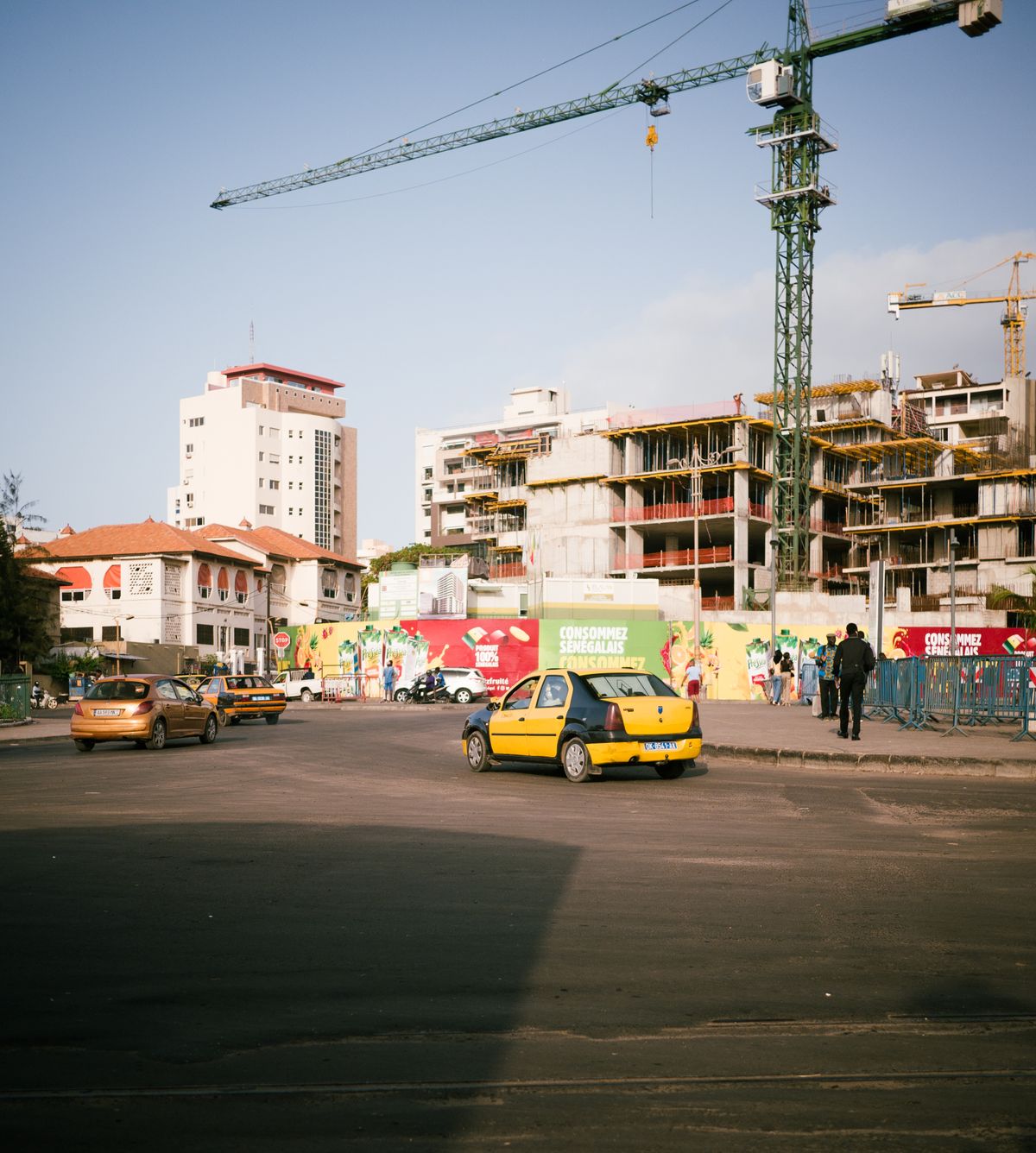
Land and paperwork, architect plans, building permits, choosing a contractor and remote follow-up for the diaspora: the key steps to building in Senegal.
Building your house in Senegal: the key steps
Building a house in Senegal follows a fairly standard sequence of steps, but each one carries its own pitfalls, especially for a project owner following the site from abroad. Here are the main things to know before starting.
Land and paperwork
Before anything else, check exactly what kind of title covers the land: a titre foncier, a lease or a simple délibération, each carrying a different legal weight. Always have the documents checked by a qualified professional before any payment, and ask for a physical visit of the land to confirm its actual boundaries. This step, often underestimated, prevents most of the disputes that surface later in a project.
Architect plans
An architect turns your needs into plans that comply with the local planning rules, whether the plot sits in Diamniadio, Keur Massar or closer to the coast. Beyond looks, the plans need to account for heat and natural ventilation, two factors that weigh heavily on how comfortable the finished house actually feels. A good architect also helps you estimate a realistic budget before filing the permit request, rather than discovering the real costs once work has started.
The building permit
The permit application goes to the relevant official services, along with the validated plans and the land's supporting documents. Processing times vary by municipality and project complexity, so it is wiser to plan extra time before breaking ground rather than rushing to start. Building without a valid permit carries real risks, up to a halt of the site partway through.
Choosing a contractor and tracking the budget
Always compare several construction companies before signing, asking for detailed quotes item by item rather than a single lump sum. The overall budget usually splits into major phases: foundations and shell work, roofing, second-stage work (electricity, plumbing, carpentry), then finishing touches. Plan staged payments tied to actual progress on site, never the full amount at once, and always keep a safety margin of around 10 to 15 percent of the total budget for surprises.
Following the site from the diaspora
For a project owner based abroad, naming a trusted person on the ground, an architect, a site supervisor or a reliable relative, changes everything for tracking real progress. Ask for regular dated photos and clear milestone updates before each new payment. The most common pitfalls come from paying for work upfront with no real oversight on site, or a vague quote that changes along the way with no written explanation. Setting a realistic timeline from the start also helps manage expectations, since construction projects in Senegal often take longer than first estimated once seasonal rain or material delivery delays enter the picture.
Recommended addresses on SeneFinder
The Dakar real estate directory lists several architects and construction companies.
- ICONIC ARCHI-LAB : Dakar
- CICA BTP : Plateau
- Chérine - CHA Studio Design : Dakar
- CSE IMMOBILIER : Dakar
- DIENE & FRER : Dakar
- SOXNA STUDIO SUARL : Dakar
To compare more options, see all addresses in this category or explore the Dakar directory.
Useful tools
- Convert your construction budget to FCFA
- Practical info for a building project
- List your construction business
- Also read: buying property in Senegal and construction and renovation companies in Dakar
Frequently asked questions
What documents should I check before buying land to build on?
Check the type of title, titre foncier, lease or délibération, and have the land's boundaries confirmed with a physical visit before any payment.
How do I track a site while living abroad?
Name a trusted person on the ground for regular updates, ask for dated photos, and tie every payment to verified real progress.
Can work start without a building permit?
No, this carries real risks, including a halt of the site; it is better to wait for the full approval of the file by the relevant services.