
Vocational training in Dakar: a practical guide
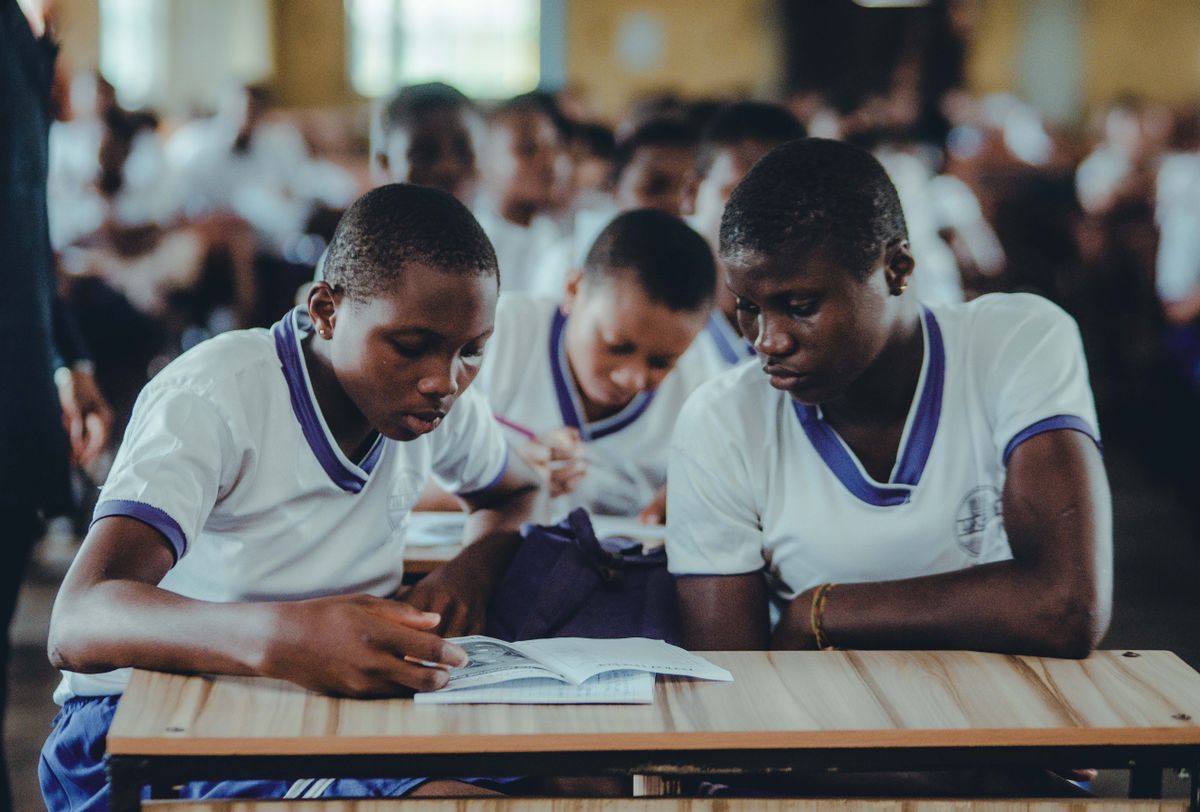
Business, IT, cooking, construction: how to choose an accredited vocational training centre in Dakar, programme lengths, work-study options and typical fee ranges in FCFA.
Vocational training in Dakar: how to choose the right centre
Vocational training in Dakar is a fast route to a real trade, from a few months of evening classes to a two or three year diploma in business, IT, cooking or construction. The right centre depends on your goal, your budget and where you live in the city. This guide covers the main fields, accreditation checks, programme lengths, work-study options and typical fees.
In-demand fields: business, IT, cooking, construction
- Business and management: sales, accounting, marketing, office administration, logistics. Most schools cluster around Plateau, Point E, Sacré-Cœur and Liberté 6, all well connected by bus to the suburbs.
- IT and digital skills: computer maintenance, networking, web development, office software, graphic design. Demand comes from small businesses and young tech companies alike, and many short courses target adults changing careers.
- Cooking, pastry and hospitality: a sector driven by tourism on the Petite Côte and by the restaurant scene in Almadies, Ngor and Mermoz. Hands-on hours in a training kitchen matter far more than classroom theory.
- Construction and technical trades: masonry, building electrics, plumbing, surveying, heavy machinery. With the large projects in Diamniadio and along the TER line, qualified technicians are in steady demand.
To compare schools by specialty, browse the training centres and schools listed in Dakar.
Choosing an accredited centre
A recognised qualification carries weight with employers and keeps the door open to further study. Before paying anything:
- Ask for the official authorisation issued by the ministry in charge of vocational training, and check that your chosen programme is covered.
- Clarify the qualification: a state diploma (CAP, BEP, BT, BTS) or an in-house certificate. Both can be useful, but they are not equivalent on a CV.
- Visit during class hours: look at the workshops, computer rooms and kitchen equipment.
- Talk to former students about internships and how quickly they found work.
Programme length and work-study
- Short courses run from a few weeks to six months, often evenings or Saturdays, a good fit for employees and entrepreneurs.
- Diploma programmes last two to three years, with the main intake in October or November, once the rainy season is over.
- Work-study and apprenticeships split time between the centre and a company. This is the strongest path in construction and cooking, where field experience reassures recruiters. Some public schemes cover part of the costs.
For students living in Pikine, Guédiawaye, Keur Massar or Rufisque, picking a centre near home or close to the TER and BRT lines saves hours of daily commuting.
Typical fee ranges
These figures are indicative and vary by field and type of institution:
- Public centres: registration often between 10,000 and 50,000 FCFA per year, with limited places and selection by application or entrance exam.
- Private diploma programmes: roughly 250,000 to 900,000 FCFA per year, sometimes more for hospitality or equipment-heavy technical tracks.
- Monthly fees: many private schools charge 25,000 to 75,000 FCFA per month plus registration.
- Short courses: 50,000 to 400,000 FCFA depending on length and level.
Budget extra for uniforms or safety gear, supplies and transport. Always ask for a receipt and a written payment schedule. Diaspora families paying from abroad should confirm the exact amount and payment method directly with the school before transferring.
Recommended addresses on SeneFinder
- CSFP-BTP : Diamniadio, construction trades training centre
- Groupe AGIF : Dakar, training institution
- Cefi Dakar : Sipres, training centre
 Sama Chef école de cuisine professionnelle : Mermoz, cooking school
- École des Techniques Internationales de Commerce, de la Communication et des Affaires : Dakar, business and communication school
- École Supérieure d’Informatique et des Technologies : Dakar, IT school
You can also see all addresses in this category or explore the Dakar directory.
Useful tools
- Route planner to estimate your commute to the centre.
- FCFA currency converter, handy for diaspora relatives funding tuition.
- Practical guide: transport, emergency numbers and everyday tips.
- Further reading: our guide to IT and coding courses in Dakar and our overview of business schools in Dakar.
Frequently asked questions
What level do I need to start vocational training in Dakar?
It depends on the qualification. A CAP is often open after primary or middle school, a BT or BTS usually requires the BFEM or the baccalaureate, and short courses are open to everyone.
How can I check that a training centre is accredited?
Ask to see the school's official authorisation and make sure it covers your programme. If in doubt, the ministry in charge of vocational training can confirm the centre's status.
Is work-study available in Dakar?
Yes, apprenticeships and work-study are growing, especially in construction, cooking and technical trades. Centres often help find a host company, but personal contacts speed things up considerably.